The death of 41-year-old William Célestin Fokam on the ukrainian frontline marks a turning point in the hidden crisis of African fighters caught in Russia’s war. Once a celebrated sambo champion from Cameroun, his fate now symbolises a broader, alarming trend: why are Africans dying in a conflict thousands of miles from home?
Athlete, warrior, and now a casualty of war—Fokam’s journey began with a trip to Russia for a sambo competition. But what started as a sporting pursuit took a drastic turn when he enlisted in the Russian military, ultimately leading to his death on the battlefield. His story forces a painful question: how does a sportsman from Cameroun end up fighting—and dying—in a foreign war?
From sports arenas to war zones: a growing pattern
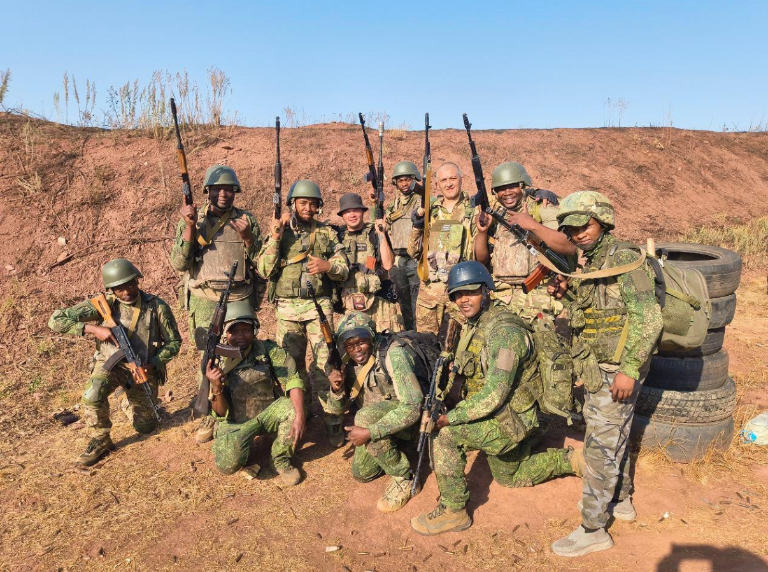
Fokam’s case is far from unique. Investigations reveal a systemic effort to enlist African nationals into Russia’s military ranks, often under deceptive pretenses. Reports highlight a recurring scenario: individuals travel to Russia for jobs, education, or athletic opportunities, only to find themselves pressured into military service.
Testimonies describe coercive tactics, from misleading job offers to rushed contracts in Russian—a language many recruits do not understand. Some report minimal training before being sent to the frontlines. The scale of this issue is staggering, with estimates suggesting over a thousand Africans may have been recruited, many from Cameroun, Egypt, and Ghana.
Cameroun’s hidden toll in a distant war
The crisis hits close to home for Cameroun. Diplomatic documents and investigative reports confirm the deaths of dozens of Camerounians in Ukraine, with one estimate placing the number at 94 between 2023 and 2025. These figures, though disputed, underscore a grim reality: the war is no longer a distant geopolitical concern—it is claiming the lives of Cameroun’s own.
Fokam’s death is a stark reminder of this human cost. His story reflects the broader struggles of families left in the dark, grappling with the loss of loved ones who sought opportunity abroad but found only peril.
How recruitment traps are set
Investigations by strategic research groups expose the mechanisms behind this recruitment drive. Digital platforms, local intermediaries, and false promises of employment, training, or residency lure unsuspecting candidates. Many discover too late that their “job” is a one-way ticket to the battlefield.
Survivors recount signing contracts under duress, often without fully grasping the risks. Others were told they would work as security guards or receive military training—only to be deployed to active combat zones with little preparation. While not every African recruit was deceived, the pattern of exploitation is undeniable.
Economic despair and the allure of false hope
Beyond deception, economic hardship plays a critical role. High unemployment, limited opportunities, and the promise of financial stability can push individuals toward risky decisions. For athletes like Fokam, even a successful sports career may not guarantee long-term security.
Yet the core issue remains: transparency and consent. When job offers morph into military enlistment, or contracts are signed under pressure, the line between choice and coercion blurs. This raises ethical and legal questions about the responsibilities of those who profit from such schemes.
A call for action: protecting africans abroad
Governments across Africa face a dual challenge: safeguarding their citizens while navigating complex diplomatic relations with Russia. Some nations, like Kenya, Ghana, and South Africa, have already demanded answers or launched efforts to repatriate their nationals.
For Cameroun, the priorities are clear: verify reported deaths, support grieving families, dismantle local recruitment networks, and educate citizens about the dangers of foreign military engagements. Strengthened consular and judicial cooperation could help track and prevent such cases in the future.
The human cost behind the headlines
Fokam’s death is more than a tragedy—it is a wake-up call. It exposes the vulnerabilities of Africans lured into a war not their own, the ruthless tactics of recruitment networks, and the urgent need for systemic protections.
The path forward demands transparency, independent investigations, cross-border collaboration, and economic solutions that offer real alternatives to desperation. Until then, the stories of those like Fokam will continue to serve as grim warnings of a crisis that cannot be ignored.