In Ndélé, Russian mercenaries of the Wagner Group mobilize a thousand young recruits
In the heart of the Central African Republic’s northern region, Ndélé has become the epicenter of a controversial operation. Russian paramilitaries affiliated with the Wagner Group are actively recruiting 1,000 young locals, raising concerns about the region’s stability and the fighters’ long-term impact.
Recruitment drives target vulnerable youth
The initiative, unfolding in the town of Ndélé and its surroundings, appears to focus on young men aged between 18 and 30. Sources on the ground report that the Wagner Group is leveraging economic hardships and limited local opportunities to attract recruits, offering financial incentives and promises of training.
- Financial incentives: Recruits are reportedly offered monthly stipends, significantly higher than average local wages.
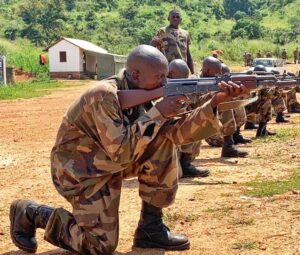
- Military training: While details remain scarce, accounts suggest participants receive combat and tactical instruction.
- Uncertain future prospects: Analysts warn that many recruits may face unclear long-term commitments, with potential risks tied to involvement in conflict zones.
Security implications for Central Africa
The mass mobilization follows a pattern observed in other conflict-affected regions where foreign armed groups operate. The presence of Wagner-affiliated mercenaries in the Central African Republic has been a subject of debate, with critics highlighting their controversial tactics and lack of accountability.
Local authorities have yet to officially comment on the recruitment campaign, though residents express growing unease. Some families are reportedly divided over the decision to allow their sons to join, torn between immediate financial relief and concerns about safety.
What’s next for the recruits?
As the Wagner Group continues its operations in the region, questions linger about the recruits’ roles and the broader implications for Central Africa’s security landscape. Observers are closely monitoring developments, particularly the potential for escalation in violence or shifts in local power dynamics.
For now, the fate of the 1,000 young recruits remains uncertain, with their involvement likely to shape the region’s future in ways yet to be fully understood.