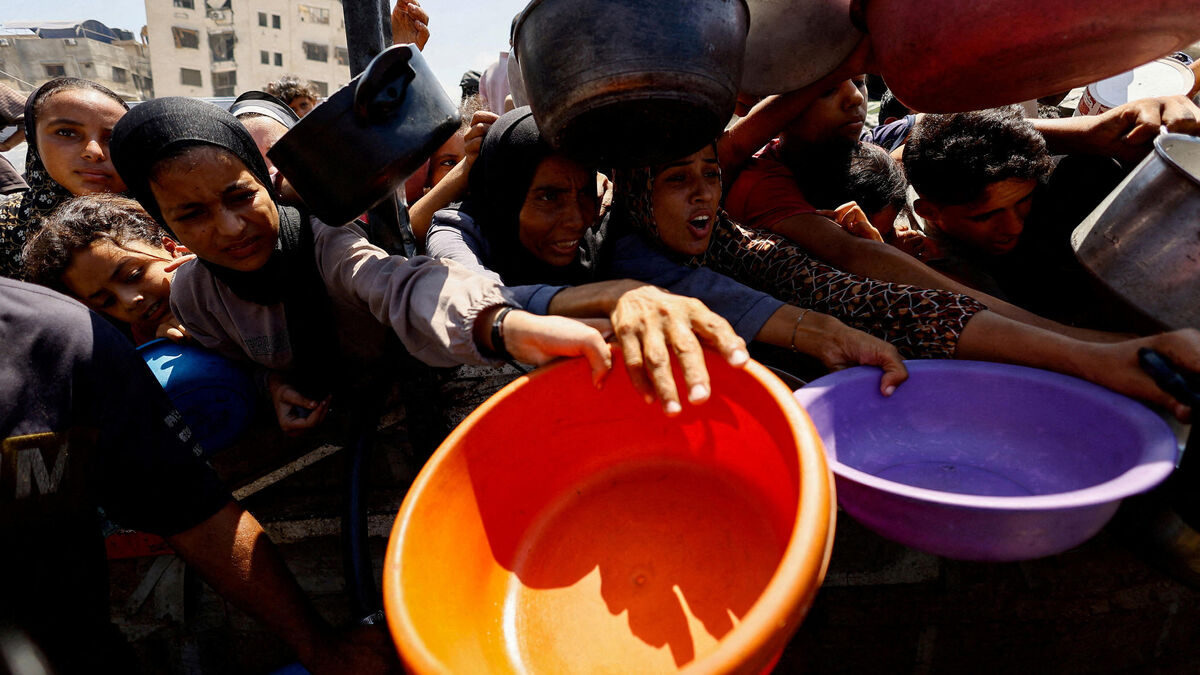
un warns of critical famine risks in 16 global hotspots
The United Nations has raised urgent alarms about escalating food insecurity across 16 critical regions worldwide, where millions face imminent threats of famine.
In a joint report, the United Nations Food and Agriculture Organization (FAO) and the World Food Programme (WFP) highlight that funding shortages, economic shocks, and extreme weather conditions are pushing these vulnerable populations to the brink of catastrophe.
which countries face the most severe food crises?
Among the hardest-hit nations are:
- Palestine – where famine has already been declared in Gaza, a situation described as “catastrophic” by UN officials
- Haiti – grappling with near-famine conditions amid escalating violence and instability
- Mali – under severe strain from jihadist threats and collapsing infrastructure
- Sudan – experiencing one of the worst humanitarian crises globally, marked by violence and displacement
- Yemen – still reeling from years of conflict and economic collapse
- Afghanistan – facing extreme food shortages exacerbated by political turmoil
- Democratic Republic of the Congo – suffering from prolonged conflict and resource depletion
- Myanmar – where instability has disrupted food production and distribution
- Nigeria – struggling with widespread hunger due to insecurity and climate shocks
- Somalia – battling droughts and conflict-driven food insecurity
- Syria – still recovering from years of war and economic devastation
- Burkina Faso – facing extreme hunger amid rising terrorism and displacement
- Chad – confronting food crises worsened by climate change and poverty
- Kenya – impacted by droughts and economic instability
- Rohingya refugees in Bangladesh – enduring precarious conditions with limited access to food
why is the situation worsening?
The UN report underscores multiple factors driving this alarming trend:
- Conflict and violence – disrupting agriculture, markets, and humanitarian access
- Economic instability – inflation and currency devaluation reducing purchasing power
- Climate extremes – droughts, floods, and erratic weather destroying crops
- Critical funding shortages – humanitarian aid programs facing severe budget gaps
The WFP and FAO warn that without immediate intervention, the crisis could spiral into a full-blown famine, destabilizing entire regions and triggering mass displacement.
humanitarian aid on the verge of collapse
Financial shortfalls are crippling response efforts. Of the $29 billion required to assist vulnerable populations, only $10.5 billion has been secured. This has forced agencies to cut back on food assistance, school feeding programs, and agricultural support.
“We are on the brink of a catastrophic food crisis that could lead to widespread famine,” warned Cindy McCain, WFP Executive Director. “Failure to act now will only deepen instability and suffering.”
The FAO has also sounded the alarm, emphasizing that without urgent funding for seeds, livestock health services, and agricultural resilience, the ability to prevent famine will vanish.
a call for immediate global action
UN leaders stress that addressing famine is not just a moral obligation but a strategic investment in long-term peace and stability. Qu Dongyu, FAO Director-General, stated:
“Preventing famine is not only a moral duty—it is a wise investment in global peace and stability.”
The international community is urged to prioritize funding, policy reforms, and conflict resolution to avert what could become one of the worst humanitarian disasters in decades.