The United Nations Population Fund (UNFPA) and Morocco are strengthening their collaboration on key priorities related to human rights, health, and gender equality, with a strong focus on field-level interventions and support for public policies.
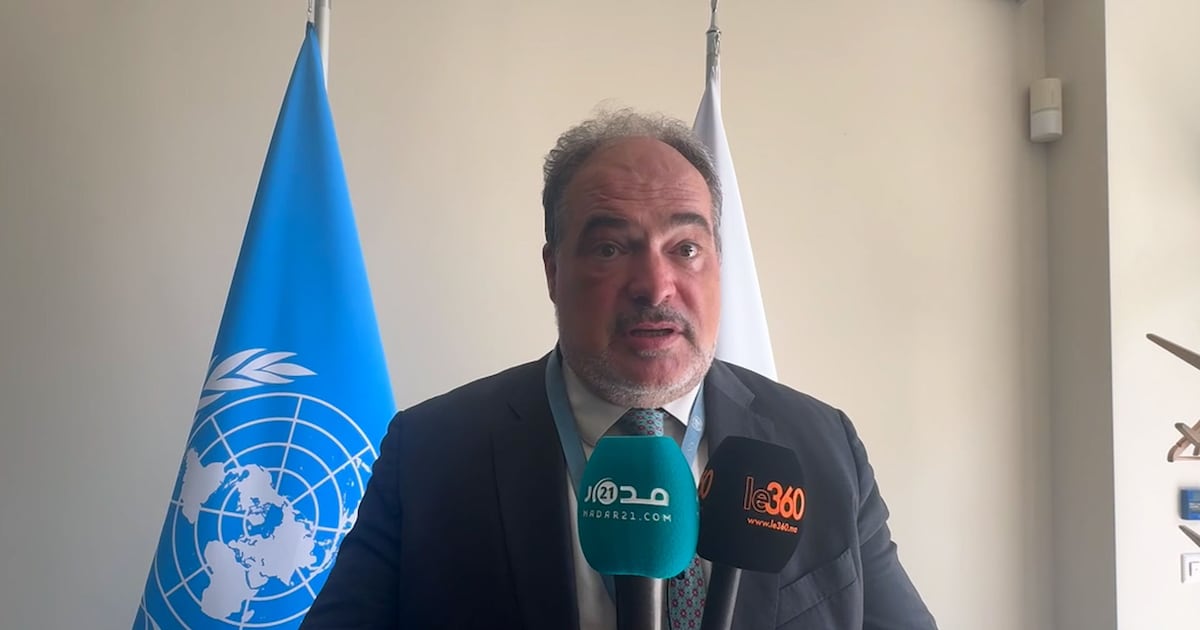
This was highlighted by Alfonso Barragues, deputy director of the UNFPA liaison office, on Tuesday, June 23 in Geneva, following a meeting with El Habib Belkouch, the interministerial delegate for human rights, on the sidelines of the 62nd session of the Human Rights Council.
Key pillars of this partnership include improving maternal health and reducing pregnancy- and childbirth-related mortality. The UNFPA also aims to intensify efforts against violence targeting women and girls, as well as harmful practices affecting their rights, such as early marriage.
The program further prioritizes expanding access to sexual and reproductive health services. For Alfonso Barragues, the goal is to ensure equitable coverage across the country by bringing these services closer to communities through a strengthened network of healthcare facilities. “Access for women and girls to health services, including sexual and reproductive health, must be guaranteed throughout the country, not only in hospitals but also at primary health centers,” he emphasized.
Beyond sectoral themes, the UNFPA supports Moroccan institutions in designing and implementing public policies. This assistance is provided to several ministries, including those of Education, Health, and Social Protection.
Alfonso Barragues noted that the organization is committed to “assisting the relevant ministries in formulating and executing public policies,” confirming a transversal and integrated approach.
A partnership rooted in the field
This cooperation is built on a strong conviction that the real impact of public policies depends on their implementation at the local level. The UNFPA reaffirms its engagement with women’s and youth organizations, closely coordinating with Moroccan authorities.
In this context, the partnership with the Interministerial Delegation for Human Rights (DIDH) follows a logic of monitoring and applying international recommendations, turning commitments into concrete actions on the ground. “For us, the partnership with the DIDH is a strategic partnership,” he added, illustrating the UNFPA’s desire to pursue a lasting dynamic alongside Morocco for the promotion and effective implementation of human rights.