
Breaking down the constitutional court’s decision on the referendum law in the Democratic Republic of the Congo
The Democratic Republic of the Congo’s Constitutional Court has issued a landmark ruling on the referendum law, setting the stage for a new phase in the country’s political landscape. This decision, closely watched by both local and international observers, carries significant implications for governance, legal frameworks, and public participation in the DRC.
Key takeaways from the constitutional court’s ruling
The court’s verdict addresses several critical aspects of the referendum law, including its constitutionality and procedural validity. Among the most notable points:
- Constitutional alignment: The judges confirmed that the proposed changes to the referendum law are in line with the country’s constitutional provisions, removing a major legal obstacle to its implementation.
- Procedural clarity: The ruling provides detailed guidance on the steps required to organize a referendum, ensuring transparency and adherence to democratic principles.
- Public participation: The court emphasized the importance of inclusive engagement with citizens, mandating that all stakeholders have a clear understanding of the process and their roles within it.
- Legal certainty: By validating the referendum law, the decision offers a solid legal foundation for future electoral and constitutional reforms in the DRC.
Reactions and implications for the DRC’s political future
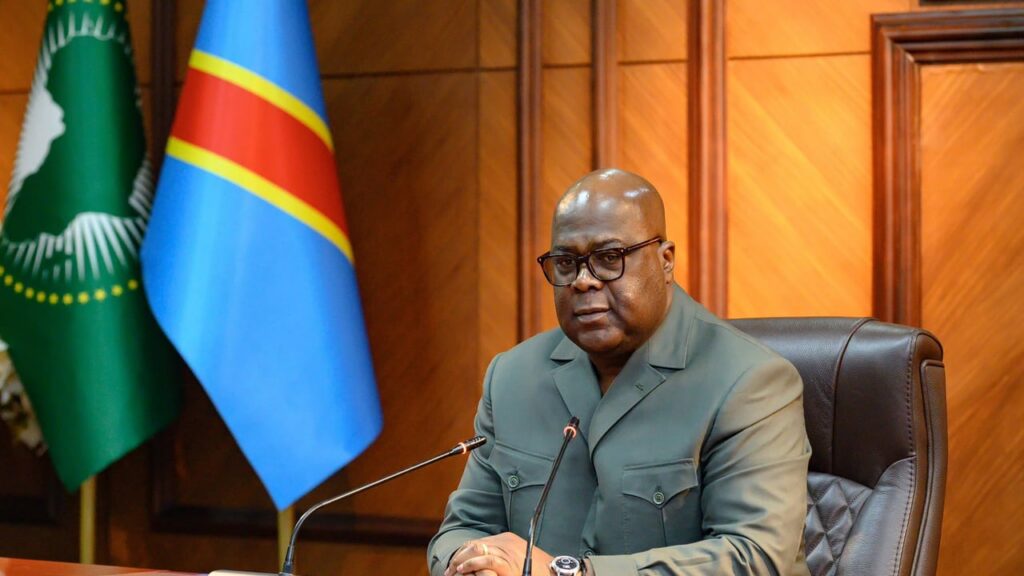
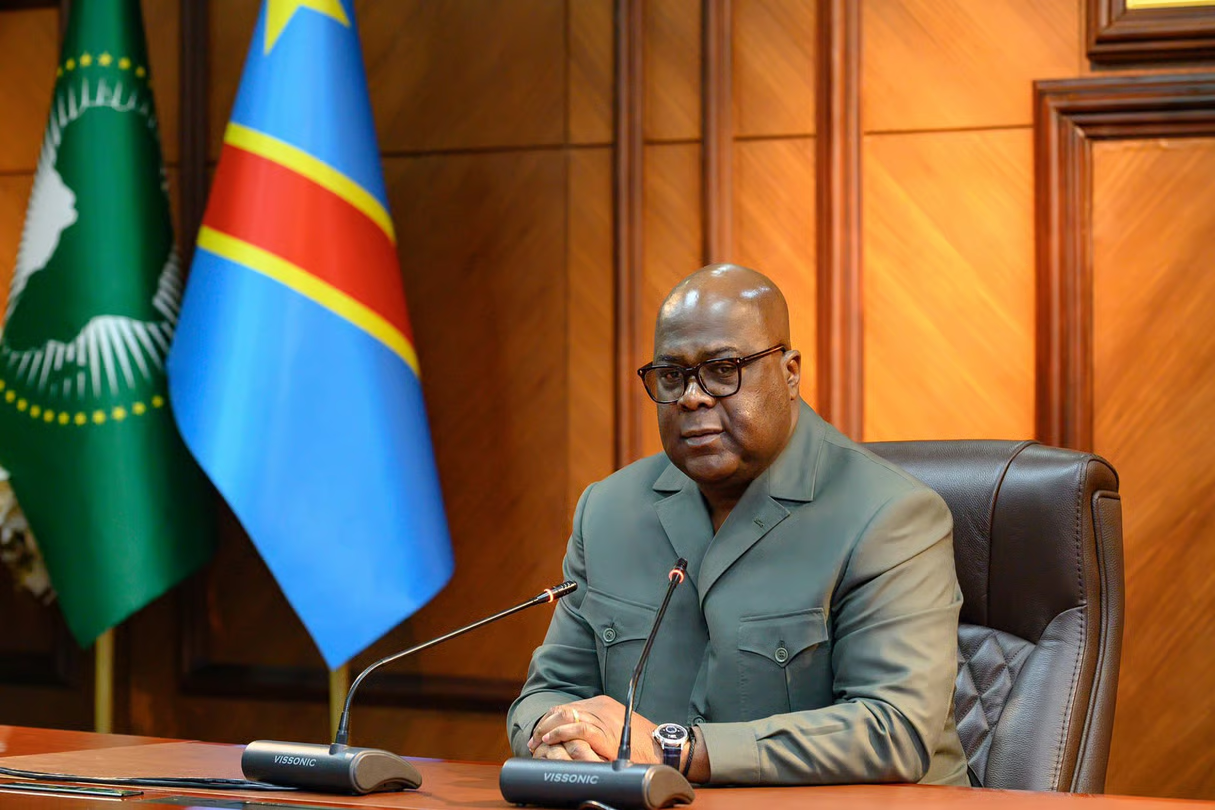
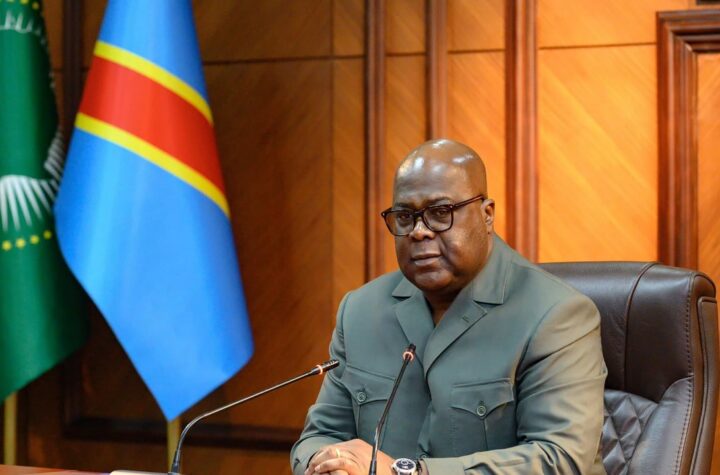
The ruling has sparked a range of responses from political figures, legal experts, and civil society. President Félix Tshisekedi, whose administration championed the referendum law, hailed the decision as a victory for democracy and constitutional governance in the country. Meanwhile, opposition leaders and advocacy groups have called for vigilance to ensure that the referendum process remains fair, transparent, and free from interference.
Legal analysts highlight that this decision could reshape the DRC’s political dynamics, potentially paving the way for constitutional amendments that reflect the aspirations of its people. The ruling also underscores the judiciary’s role in safeguarding democratic processes, reinforcing the separation of powers in the country.
What comes next for the referendum process?
With the legal hurdles cleared, attention now turns to the practical steps required to organize the referendum. The government must finalize the timeline, ensure logistical readiness, and engage with the public to build trust in the process. Civil society organizations are expected to play a crucial role in monitoring the referendum’s execution, ensuring that it adheres to international standards for free and fair elections.
The outcome of this referendum could have far-reaching consequences for the DRC, influencing everything from governance structures to economic policies. As the country prepares for this pivotal moment, all eyes will be on how the referendum is conducted and what it means for the future of the Democratic Republic of the Congo.
This decision marks a turning point in the DRC’s journey toward strengthening its democratic institutions and ensuring that its laws reflect the will of its people.
More Stories
Breaking down the constitutional court’s ruling on referendum law in DRC
Will Félix Tshisekedi seek a third term in the DRC?
Bénin’s legal reform commission: turning law into growth engine