World Bank injects $160 million to boost water access and climate resilience in Chad
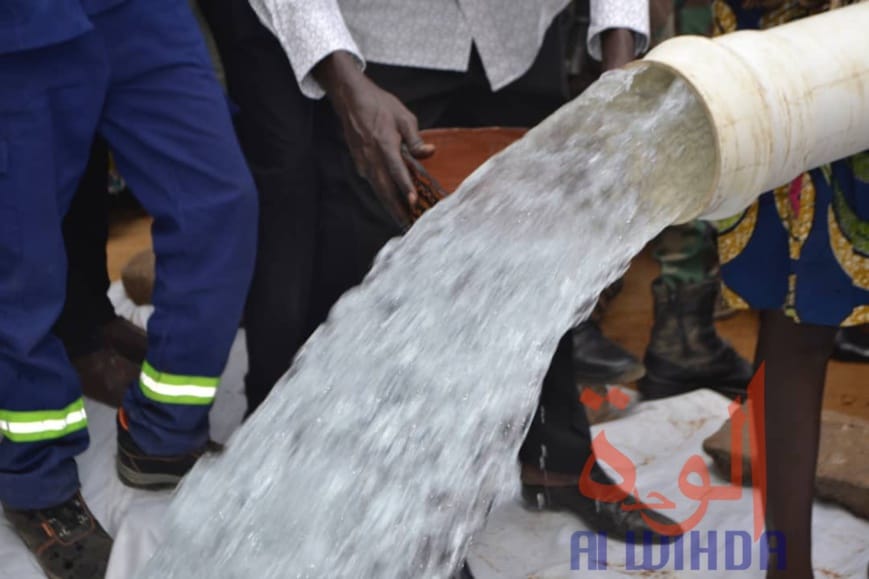
A $160 million investment from the World Bank aims to transform water access and climate resilience in Chad’s most vulnerable regions, directly benefiting one million people, including a majority of women.

The World Bank has approved a $160 million grant from the International Development Association (IDA) to bolster Chad’s water security and climate resilience. This initiative targets vulnerable provinces, where communities face extreme challenges from climate shocks, forced displacement, and resource scarcity.
Strategic investments for stability and sustainability
The Water Security and Resilience Support Project (PASER) represents a critical step toward long-term stability in Chad. By focusing on climate-adaptive infrastructure and essential services, the project addresses the root causes of fragility, including regional disparities, limited economic opportunities, and resource-based conflicts. With 80 million dollars allocated from the Window for Host Communities and Refugees (WHR), PASER prioritizes both host communities and Sudanese refugees—over 1.3 million of whom have sought shelter in eastern Chad.
Empowering communities through sustainable solutions
PASER’s comprehensive approach includes sustainable water management, local capacity building, and livelihood improvements. By targeting droughts, floods, and land degradation, the project aims to restore confidence and foster resilience in some of the most fragile regions of the country.
Aligning with national development goals
This initiative complements Chad’s strategic development plan, Chad Connexion 2030 – Programme 15, which emphasizes a shift from humanitarian aid toward integrated, resilience-focused development. Farouk Mollah Banna, the World Bank’s Resident Representative in Chad, emphasized the project’s role in reducing tensions over scarce resources and strengthening future prospects. “In regions where water scarcity fuels community tensions, this investment restores access to a vital resource and rebuilds hope,” he stated.
A model for peace and prevention
Hawa Cissé Wagué, the World Bank’s interim Country Director for Chad, highlighted the project’s broader significance. “This operation demonstrates how development funding can serve as a catalyst for peace and prevention in some of the world’s most unstable areas,” she noted. “It supports Chad’s transition toward greater resilience, stability, and inclusion.”
Approximately one million people—50.6% of them women—will directly benefit from climate-resilient investments across refugee-hosting provinces, N’Djamena, and other high-risk localities. The project underscores the World Bank’s commitment to transforming Chad’s most vulnerable regions through sustainable, inclusive growth.