The return of intense fighting in the eastern regions of the République démocratique du Congo has pushed an already dire humanitarian situation to the breaking point. In the provinces of Nord-Kivu and Ituri, which have been governed under a state of siege since May 2021, the atmosphere remains volatile despite various diplomatic efforts to restore order.

Fragile peace and expanding conflict
A series of high-level agreements, including the Washington accord of June 2025 and subsequent endorsements by the leadership of Rwanda and the République démocratique du Congo in November 2025, sought to end the violence. Even the framework agreement signed in Doha between the government and the AFC/M23 aimed to halt atrocities in Nord-Kivu and Sud-Kivu. However, these commitments have proven fragile. The conflict has since spilled into Uvira, demonstrating the limits of current ceasefire mechanisms.
In less than a year, the toll of this armed struggle has been devastating, with more than 10,000 lives lost and millions of citizens forced to flee their homes as internally displaced persons or refugees. Within this chaotic landscape, national security forces and various armed factions—notably the M23/AFC with support from Rwanda—stand accused of systematic human rights violations. These include documented cases of torture and physical abuse that violate international standards of civil and political rights.
A shrinking space for civil society
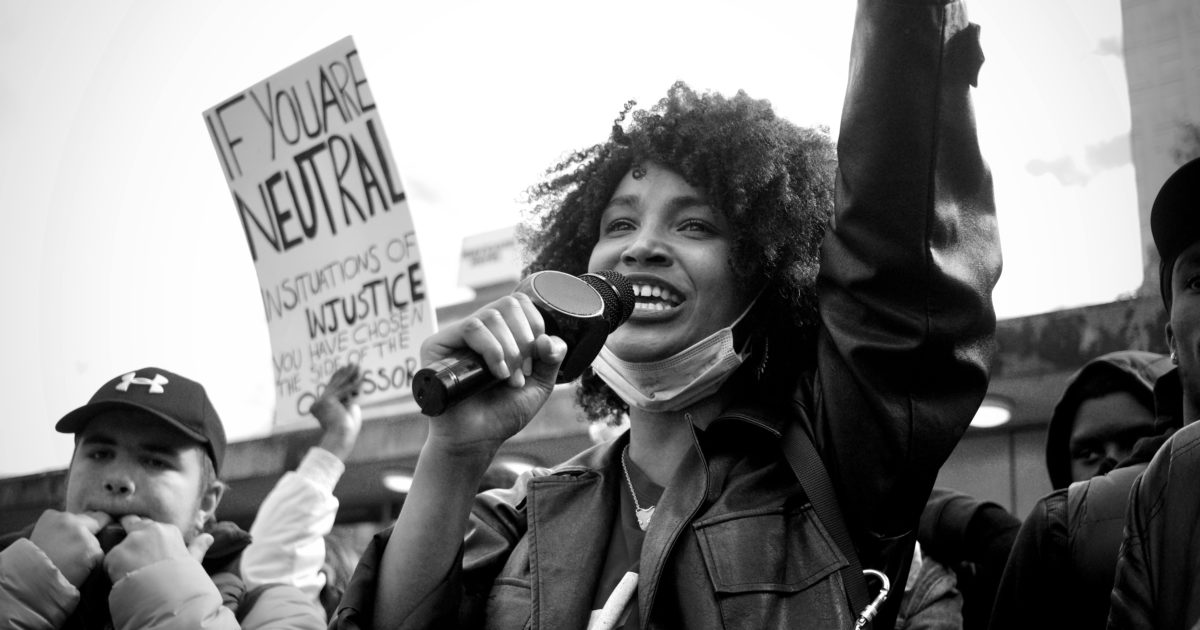
The security vacuum has also led to a severe crackdown on fundamental freedoms. Public demonstrations are frequently banned, and the environment for independent journalism has become increasingly hostile. Many who dare to speak out, including human rights defenders and political figures, have been targeted with intimidation, arbitrary arrest, and physical violence. This wave of repression has forced many activists into exile, stripping the République démocratique du Congo of vital local voices capable of documenting abuses and seeking justice for victims.
A call for international accountability
In response to these ongoing violations, a collective of organizations, including the Organisation mondiale contre la torture and members of the SOS-Torture network in the République démocratique du Congo—such as the Alliance pour l’universalité des droits fondamentaux, Afia Mama, SOS Informations juridiques multidimensionnelles, and Voix des sans voix pour les droits de l’homme—have submitted a detailed report. This submission aims to highlight these critical issues ahead of the upcoming international review of the country’s compliance with the International Covenant on Civil and Political Rights.