Algeria and Niger take decisive step to strengthen military ties amid Sahel turmoil
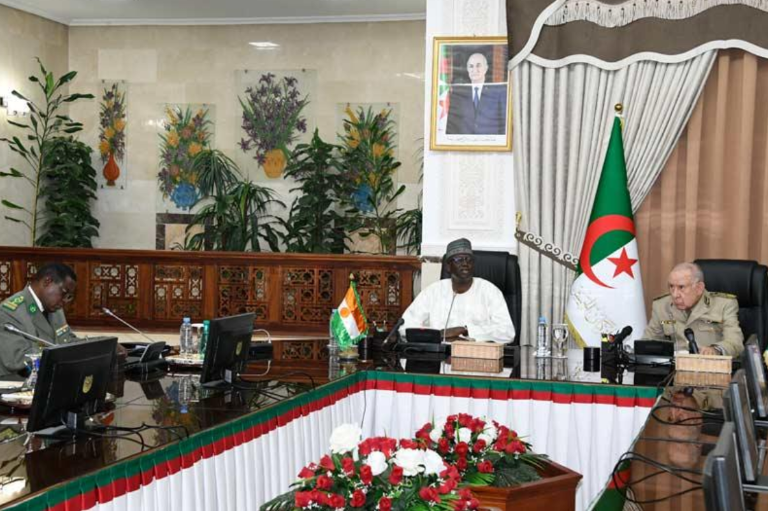
The partnership marks a turning point in regional security dynamics, with both nations signaling a major shift in their bilateral defense cooperation. Officials confirmed the signing of a military cooperation protocol on October 21, 2026, in Algiers, aimed at bolstering joint efforts against shared threats in the Sahel. But while this development represents a strategic advance, critical questions linger about its implementation and long-term impact.
The agreement follows high-level discussions between Algerian Chief of Staff General Said Chanegriha and Nigerien Minister of State for National Defense Salifou Modi, underscoring the political weight of this initiative. Yet, despite the fanfare surrounding the announcement, the actual terms of the deal remain shrouded in ambiguity—raising concerns about its real-world consequences.
What the agreement actually contains (and what it leaves out)
The protocol’s stated objectives—enhanced military and security cooperation—suggest a framework for deeper collaboration. However, public disclosures offer little clarity on how these goals will be achieved. Will the deal include:
- Joint military exercises between Algerian and Nigerien forces?
- Intelligence-sharing mechanisms to combat cross-border threats?
- Training programs for Nigerien troops?
- Funding allocations for security initiatives?
Without these details, it’s impossible to gauge whether this is a tangible step forward or merely symbolic posturing.
Sahel security crisis fuels urgency for stronger alliances
The timing of this agreement is no coincidence. Niger—a member of the Alliance of Sahel States (AES)—faces escalating armed threats in its western regions and near the Nigerian border. Algeria, meanwhile, prioritizes securing its southern frontiers, particularly against extremist groups migrating toward the Sahara.
For both countries, the protocol serves as a strategic response to:
- Cross-border insurgencies linked to Mali and Burkina Faso
- Threats from armed factions operating near Lake Chad
- The need for coordinated counterterrorism measures
Nevertheless, the absence of confirmed milestones—such as troop deployments or mutual defense clauses—raises doubts about whether this is a true breakthrough or just a diplomatic gesture.
Transparency concerns overshadow the deal’s potential
The lack of public specifics isn’t inherently suspicious—military agreements often include classified elements for security reasons. But it does impede independent evaluation. Key questions remain unanswered:
- How will progress be measured?
- What financial commitments have been made?
- Will there be a monitoring committee?
Without concrete benchmarks, it’s unclear whether this protocol will translate into real-world improvements or remain a broad framework without concrete action.
Could this redefine regional security alliances?
The deal arrives amid shifting Sahelian dynamics, with the AES and Algeria pursuing distinct security strategies. While the protocol is framed as a bilateral initiative, its ripple effects could influence broader regional cooperation—or spark tensions with other stakeholders.
Algeria’s interactions with AES members have historically been cautious, yet this accord signals a willingness to engage more directly. Whether this leads to deeper integration or just incremental cooperation remains to be seen.
Diplomatic weight vs. operational substance
The high-profile meeting between President Abdelmadjid Tebboune and Minister Salifou Modi underscored the political significance of the deal. But political symbolism doesn’t always equate to tangible security gains. For analysts weighing the protocol’s impact, the proof will lie in:
- Publicly disclosed implementation timelines
- Evidence of military-to-military exchanges
- Clear reporting on joint operations (if any)
Until then, the Algeria-Niger military pact remains a promise of cooperation rather than an established security framework.
Conclusion: Evaluating the deal’s true significance
While the agreement represents a meaningful step toward closer bilateral defense ties, its ultimate impact depends on transparency and execution. The Sahel’s fragile security landscape demands more than symbolic gestures—it requires measurable action. Until Algeria and Niger disclose the protocol’s operational components, its strategic value will be impossible to fully assess.
One thing is certain: in a region where security vacuums breed instability, the most transformative alliances are those backed by clear commitments—not just declarations.