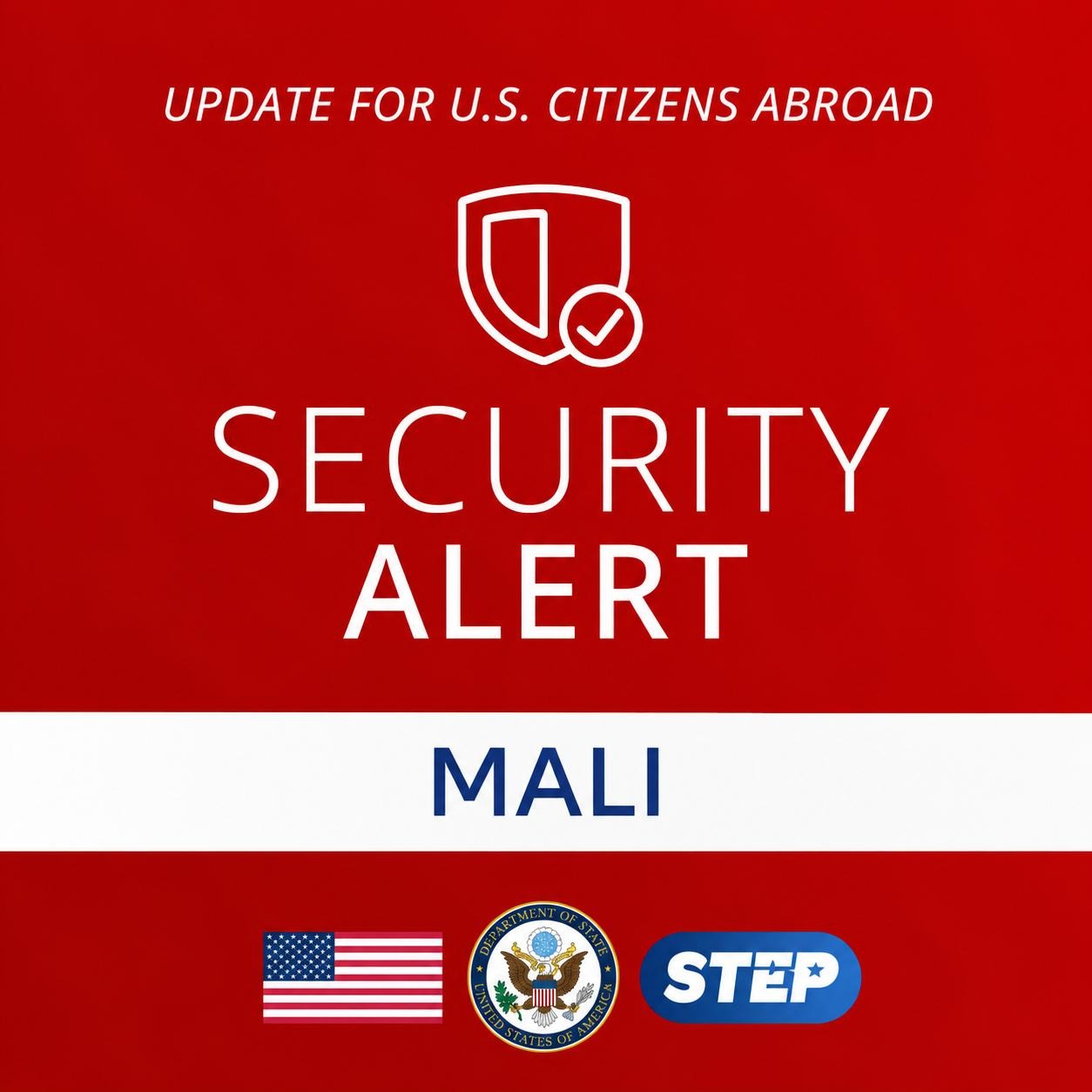
Washington has issued a stern security alert for its nationals in Bamako, restricting all non-essential movements this weekend. The embassy’s advisory, effective from Saturday, reflects a sharp escalation in security concerns across Mali’s capital. The timing suggests a rapid reassessment of threats by US intelligence agencies, prompting urgent precautions for American citizens in the city.
Heightened security measures in Bamako
The embassy’s directive is not a routine precaution. It explicitly urges American passport holders to avoid public gatherings, remain vigilant in expatriate-heavy areas, and minimize travel within the city. For observers tracking Sahel security trends, such advisories are rarely issued without compelling intelligence—whether credible threats, intercepted communications, or operational indicators.
JNIM and FLA: Persistent threats at the capital’s doorstep
Bamako’s security environment has deteriorated significantly in recent years. The Jama’at Nusrat al-Islam wal Muslimin (JNIM), Al-Qaeda’s dominant Sahel affiliate, has repeatedly demonstrated its ability to launch sophisticated attacks on strategic targets, including military installations and urban peripheries. Parallel threats emerge from the Front de Libération de l’Azawad (FLA), whose shifting alliances and guerrilla tactics maintain relentless pressure on Mali’s armed forces.
Intelligence reports indicate a growing presence of dormant cells and improvised explosive devices (IEDs) across the country, particularly along routes leading to Bamako. The US embassy’s alert underscores the persistent, asymmetrical nature of these threats, which defy conventional counter-terrorism measures.
Economic strangulation: The silent weapon of armed groups
Beyond direct attacks, Mali’s economy is under siege. Armed factions have intensified roadblocks on key highways, targeting fuel tankers and commercial convoys supplying Bamako. These blockades do more than disrupt trade—they instill fear and sever the capital’s economic lifelines. By cutting off fuel and essential goods, militants aim to destabilize public confidence and expose the government’s inability to secure critical infrastructure.
For the US embassy, this vulnerability elevates the risk of high-impact incidents near Bamako. The prolonged isolation of regional hubs further exacerbates the crisis, creating a feedback loop of economic decay and insecurity.
Diplomatic caution vs. local reassurance efforts
While Malian transition authorities project confidence through increased patrols and roadblocks, Western embassies adopt a more cautious stance. This disparity highlights a fundamental tension: local narratives of control clash with the data-driven risk assessments of foreign intelligence services. The weekend of May 30 will see heightened surveillance, with Malian security forces conducting intensified identity checks and vehicle inspections in high-risk districts.
The embassy’s advisory serves as a stark reminder of Mali’s fragile stability. Between the lurking menace of JNIM and the crippling effects of road blockades, Bamako remains trapped in a cycle of crisis management. As the weekend unfolds, all residents—locals and expatriates alike—must navigate this precarious environment with extreme caution.