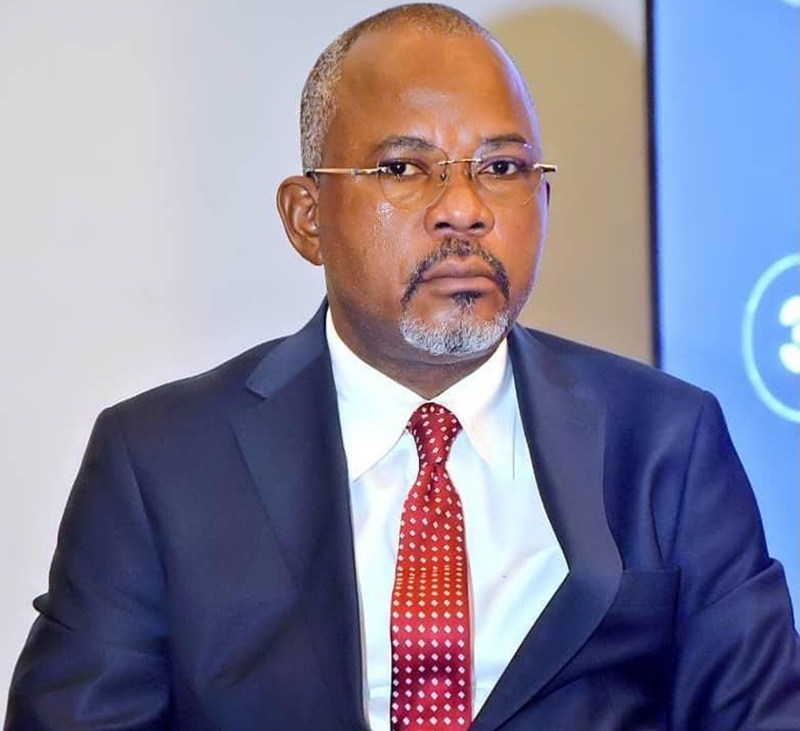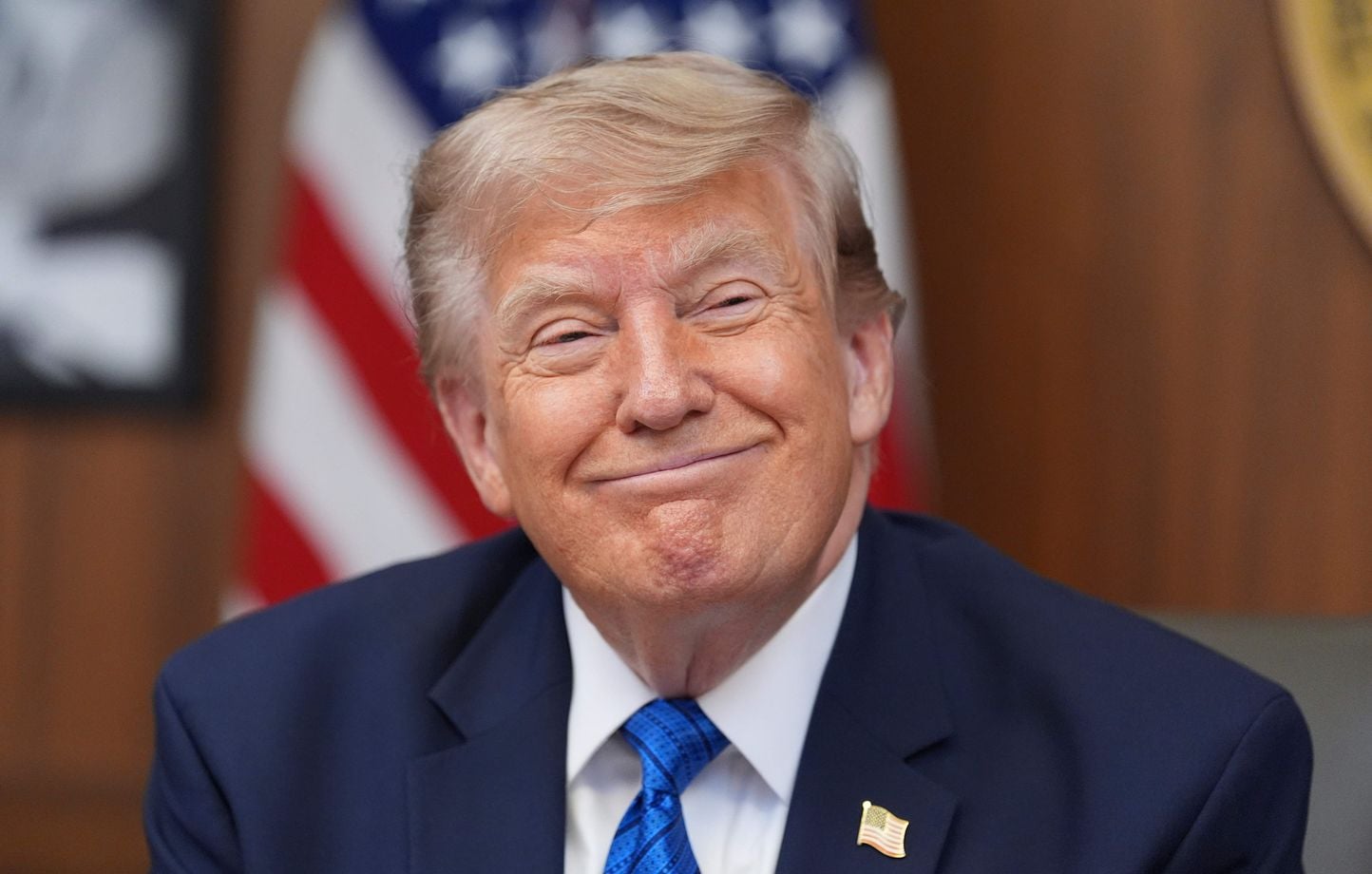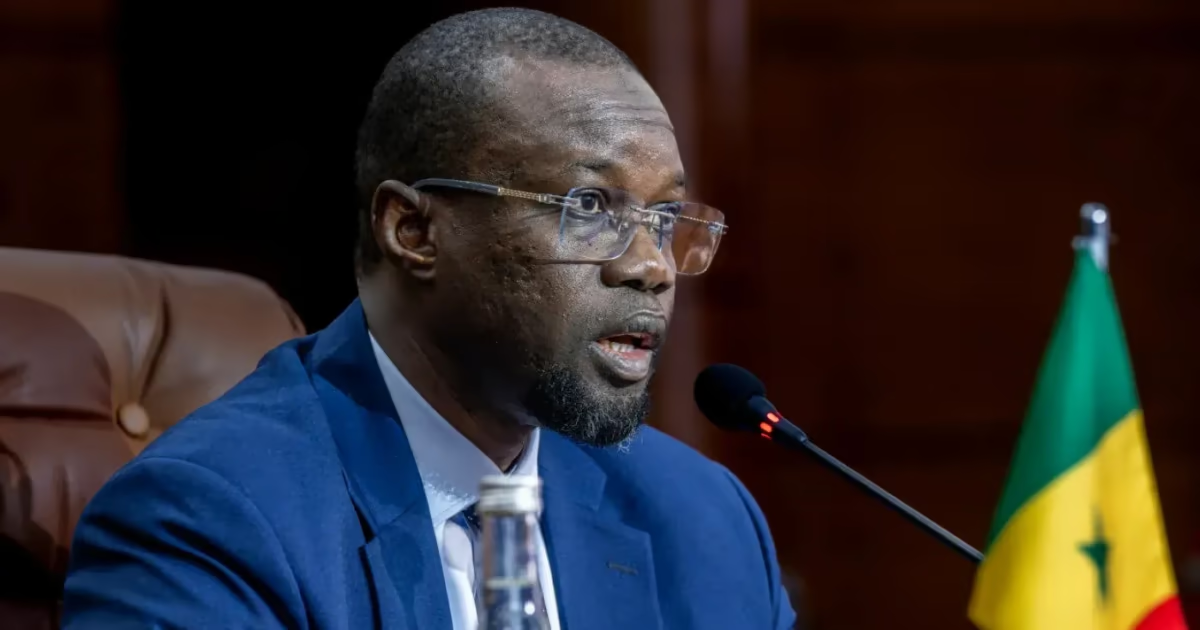
The diplomatic landscape between Benin and Niger is undergoing a notable shift. The arrival of a high-level Nigerien delegation, led by the Prime Minister, at the inauguration of Benin’s new president in Cotonou underscores a clear intent to move past the diplomatic standoff that has lingered since the July 2023 coup in Niamey. This symbolic gesture follows months of strained relations, including border closures, heated rhetoric, and a protracted oil dispute that has weighed heavily on the economies of both nations.
Diplomatic signals from Niamey to Cotonou
Niamey’s decision to send its Prime Minister—rather than a lower-ranking representative—sends a strong message about the significance of this moment. Since the coup that brought General Abdourahamane Tiani to power, Niger’s transitional authorities have repeatedly accused Benin of hosting French military bases intended to undermine their rule. Despite efforts by outgoing President Patrice Talon to mediate, trust between the two governments remained elusive. The arrival of a new administration in Cotonou has now opened a fresh opportunity for dialogue that Niamey appears eager to explore.
This shift also reflects a broader strategic repositioning by Niger in West Africa. With the country’s withdrawal from the Economic Community of West African States (ECOWAS) alongside Mali and Burkina Faso—and the subsequent formation of the Alliance of Sahel States (AES)—Niamey is actively seeking to strengthen ties with coastal nations, balancing political disagreements with economic pragmatism.
The oil pipeline dispute: a critical economic factor
Beyond symbolic gestures, the economic stakes are substantial. The 2,000-kilometer pipeline connecting Niger’s Agadem oil fields—operated by the China National Petroleum Corporation (CNPC)—to the Sèmè-Kpodji terminal in Benin is Niger’s primary export route for its oil. Designed to transport up to 90,000 barrels per day, the pipeline was expected to significantly boost Niger’s revenue. However, Benin’s border closure in response to ECOWAS sanctions, coupled with disputes over loading permits, has severely disrupted operations.
Tensions peaked earlier this year when several Nigerien nationals were detained on allegations of trespassing at the oil terminal. For a country now heavily dependent on oil exports for its budget, restoring smooth relations with Benin is not just diplomatic—it’s an economic necessity.
Regional realignment and security concerns
The thaw in Benin-Niger relations reflects a wider recalibration of alliances in West Africa. Coastal nations like Benin and Togo face a delicate balancing act: upholding ECOWAS solidarity while maintaining economic ties with Sahelian regimes. Benin, under new leadership, may adopt a pragmatic approach, separating political disagreements from practical cooperation.
Security remains a pressing issue. The porous border between the two countries is a hotspot for armed groups, including affiliates of the Islamic State in the Greater Sahara and the Group for Support of Islam and Muslims (JNIM). Without coordinated intelligence-sharing, protected areas like the W National Park and Pendjari remain vulnerable to militant activity. Whether Benin’s new government will revive stalled military cooperation with Niger in the coming months remains an open question.
The coming weeks will reveal whether this diplomatic overture translates into concrete actions: full border reopening, resumption of oil shipments, and the restoration of full diplomatic missions. After two years of uncertainty, businesses on both sides are demanding clear signals to resume stalled trade and investment. The Nigerien delegation’s visit to Cotonou suggests a serious commitment to dialogue, but the path to lasting reconciliation will require sustained effort.