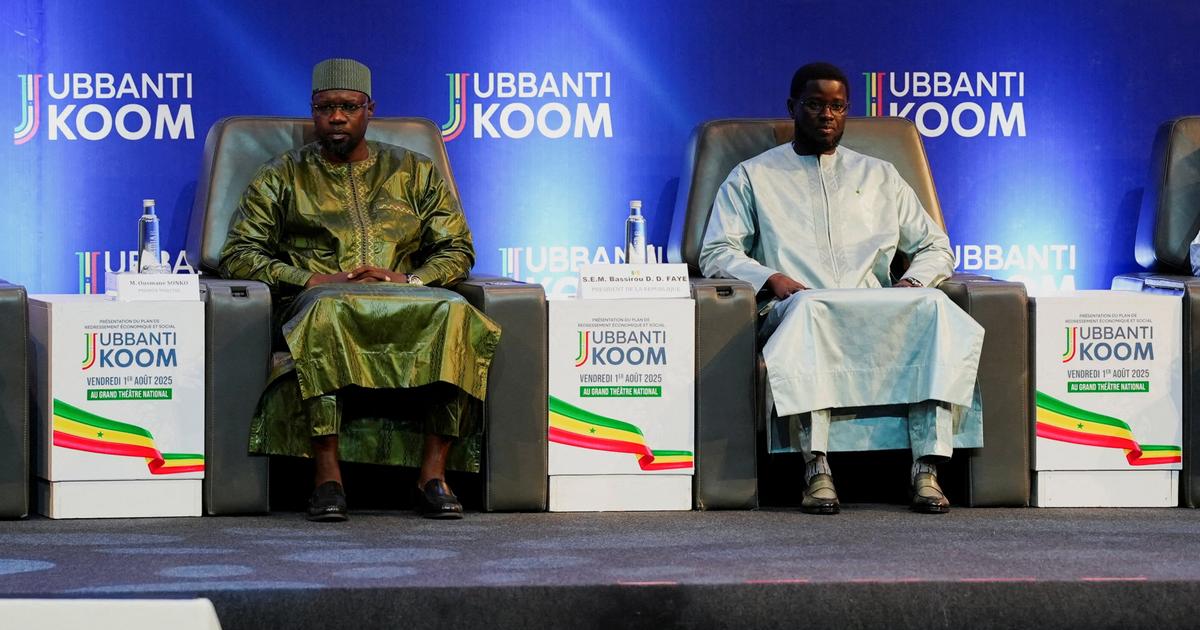
In Senegal, political tensions reached a boiling point last week when President Bassirou Diomaye Faye removed Prime Minister Ousmane Sonko from office. This decisive move marked the culmination of months of escalating disagreements and simmering conflicts between the two leaders, who once stood as allies in the nation’s highest echelons of power.
Immediately following the dismissal, Malick Ndiaye, the Speaker of the National Assembly, announced his resignation from the parliamentary leadership while retaining his seat. This strategic move appears to have been orchestrated to pave the way for Sonko’s reintegration into the legislative arena, where he seeks to reclaim his position as a lawmaker and potentially ascend to the Assembly presidency.
Parliament’s pivotal decision looms
The National Assembly is set to convene in an extraordinary session on May 26 to elect a new Speaker. With Sonko’s political future hanging in the balance, all indications suggest he is poised to secure the position, given his enduring influence within the PASTEF party. The party, which Sonko founded, commands a commanding majority in Parliament with 130 out of 165 seats, effectively ensuring his path to the helm of the legislative body.
Sonko’s potential elevation to the Speakership would grant him considerable leverage, positioning him as the second-highest-ranking official in the country and the constitutional successor to the President. This development could grant him unprecedented power to obstruct government initiatives, leveraging his control over the legislative process. The question on every observer’s lips is simple: how far will this clash escalate?
Institutional risks of a power struggle
The escalating rivalry between Sonko and President Faye poses a significant threat to Senegal’s political stability. Should Sonko assume the Speakership, the stage would be set for a high-stakes battle of wills, with both leaders wielding considerable influence over governance. The PASTEF party, already at risk of internal fracture, could face severe repercussions if this power struggle continues unchecked.
Sonko’s ambitions are no secret. Having backed Faye’s rise to the presidency—despite his own legal ineligibility in 2024—he now appears determined to carve out his own legacy, even if it means challenging the very leader he helped elevate. The recent electoral code revisions, which eliminated political grounds for candidate disqualification, have further emboldened Sonko’s aspirations, though the final verdict on his eligibility for the 2029 presidential elections remains uncertain until the Constitutional Council weighs in.
A fragile balance on the brink
The political landscape in Senegal is now teetering on the edge of a dangerous stalemate. With both leaders locked in a quid pro quo dynamic, the nation’s cohesion—and the PASTEF party’s future—hangs in the balance. Unless cooler heads prevail, this internal strife could weaken the party’s electoral prospects, leaving it vulnerable to a public backlash or a third-party challenge in the upcoming polls.
As Senegal navigates this critical juncture, the hope remains that national interests will prevail over personal ambitions, preventing the country from becoming a hostage to the ambitions of its two most prominent leaders.