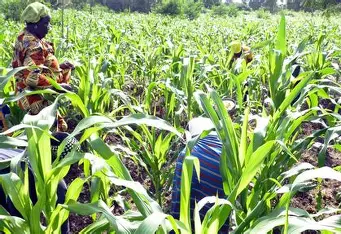
The Republic of Bénin has advanced its national food sovereignty agenda by securing substantial financial backing. A significant sum of 12.57 billion FCFA has been allocated by the Islamic Development Bank (IDB) to bolster the nation’s agricultural sector. This substantial investment is specifically directed towards rejuvenating soil fertility, a critical imperative given the profound impact of evolving climatic conditions across the country.
This decision extends beyond the monetary value; it signifies a deliberate geopolitical and financial maneuver. By engaging with the IDB, the government in Porto-Novo actively pursues a strategy of diversifying its financial partners. This strategic shift aims to diminish historical reliance on traditional Bretton Woods institutions and Western bond markets, which currently present notably high interest rates. Islamic finance, characterized by its principles of risk-sharing and asset-backed transactions, thus emerges as a suitable instrument for funding long-term infrastructure initiatives critical for national development.
From an economic perspective, this choice represents a fundamentally pragmatic approach. Investing in the resilience of agricultural lands is no longer merely an ecological consideration but an essential measure to safeguard the national gross domestic product (GDP). By enabling crops to withstand the challenges of droughts and floods, the Béninese government preempts the need for future emergency food imports, which would necessitate significant foreign currency expenditure. Ultimately, this initiative serves as a direct mechanism to bolster the trade balance and ensure the nation’s self-sufficiency.