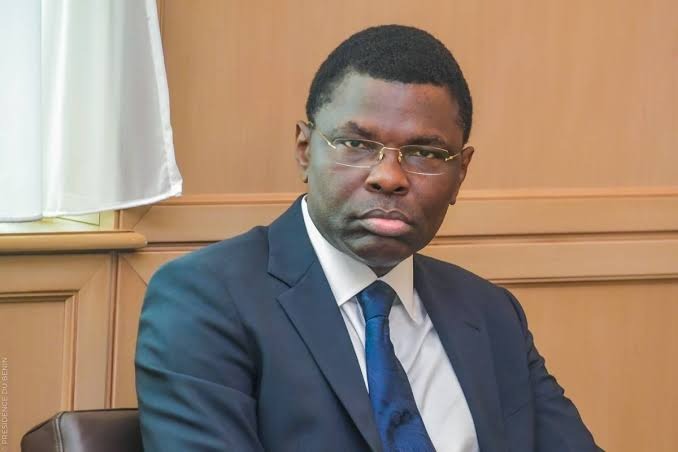
In a bold diplomatic maneuver marking a clear turning point in regional relations, Joseph Fifamè Djogbénou, President of Benin’s National Assembly, has issued an urgent call for reconciliation with Niger and Burkina Faso during the Union Parliamentary Africaine (UPA) gatherings in Lomé, Togo. His message transcended mere rhetoric, underscoring a strategic pivot toward restoring fractured bonds in the Sahel.
“As long as the night of discord persists—though I trust it will be fleeting—the dawn of peace will inevitably rise,” Djogbénou declared, framing the crisis not as an impasse but as a transitional phase in West Africa’s geopolitical landscape. His remarks came as Benin, Niger, and Burkina Faso grapple with lingering border disputes and diplomatic strain that have strained economic and social ties for over a year.
From rhetoric to action: Benin’s unwavering hand of friendship
The timing of Djogbénou’s outreach is no coincidence. Against the backdrop of Burkina Faso’s new leadership in the UPA, the Beninese lawmaker seized the moment to reinforce his commitment to restoring dialogue. His words carried both symbolism and substance: “I eagerly extend my hand to Niger and Burkina Faso because our destinies are intertwined, and separation serves no purpose.”
This stance reflects a deeper principle embedded in Benin’s foreign policy: the conviction that regional stability is non-negotiable. Whether in legislative chambers or executive suites, the message remains consistent—a proactive pursuit of peace, irrespective of political transitions. The continuity here is deliberate: Benin’s diplomatic outreach is not a fleeting initiative, but a state doctrine built on the belief that the country’s security and prosperity depend on collective resilience.
Why isolation is a luxury Africa cannot afford
Djogbénou minced no words in warning against the perils of self-imposed isolation, especially in today’s interconnected West Africa. With rising insecurity and migratory pressures reshaping regional dynamics, he framed the choice starkly:
- “When Europe turns its back on African migrants, it doesn’t single out Beninese, Malian, or Senegalese citizens—it rejects *all* Africans. This is a shared fate, a shared challenge.”
His appeal transcends borders, emphasizing that no nation in the Sahel can secure its future alone. From terrorism to climate-induced displacement, the threats are transnational, demanding coordinated responses. By positioning Benin as a bridge-builder, Djogbénou is positioning the country not just as a mediator, but as a leader in pragmatic reconciliation.
Parliamentary diplomacy as a catalyst for change
Djogbénou’s call extends beyond symbolism. He urged national delegations from Benin, Niger, and Burkina Faso to synchronize efforts with their respective governments, leveraging parliamentary diplomacy to unlock stalled negotiations. The goal? To channel shared energy and resources toward a common vision—one where fraternal unity becomes the foundation of resilience against historical turbulence.
The message is clear: if the Sahel is to weather its storms, it must do so together. And in Lomé, Djogbénou took a decisive step toward making that vision a reality.