After the celebrations: what PETROCI’s historic double victory means for Côte d’Ivoire’s energy future
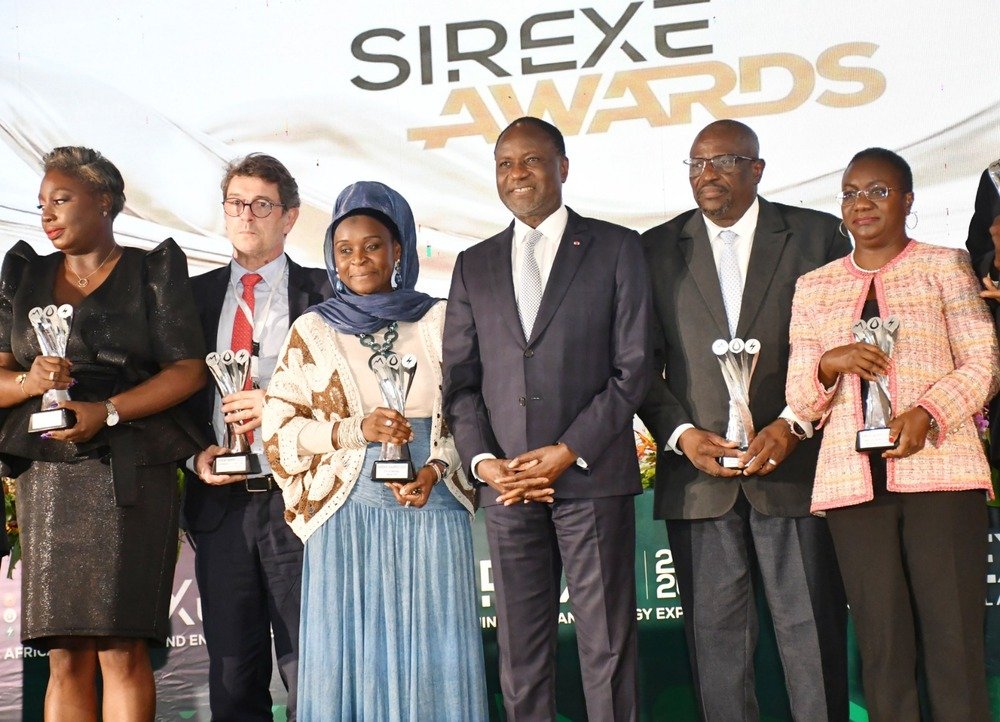
The inaugural SIREXE Awards ceremony, held alongside the International Extractive and Energy Resources Fair (SIREXE) on November 21, 2026, has become the center of heated discussions across Africa’s energy landscape. PETROCI Holding’s unprecedented double triumph—securing both the Best Hydrocarbon Project award for the Baleine initiative and the Manager of the Year prize for CEO Fatoumata Sanogo—has intensified debates about the country’s energy independence and sustainable development trajectory.
The Baleine project, a joint venture between ENI and PETROCI, received the top hydrocarbon accolade for its pivotal role in boosting Côte d’Ivoire’s domestic production capacity. At the same time, Sanogo’s recognition highlights the growing influence of women leaders in reshaping the continent’s energy sector through innovative strategies and sustainability commitments.
Industry reactions reveal shifting priorities and emerging concerns
The awards ceremony, attended by top political and industrial figures including Côte d’Ivoire’s Minister of Mines, Oil and Energy Mamadou Sangafowa-Coulibaly, has amplified several key themes dominating current energy discourse:
- Energy sovereignty: The Baleine project’s success has intensified conversations about Côte d’Ivoire’s ability to meet domestic energy needs while reducing import dependency
- Sustainable extraction: Industry observers note that the project’s recognition signals a growing emphasis on environmentally responsible hydrocarbon development
- Leadership diversity: Sanogo’s award has sparked discussions about the importance of gender representation in energy sector decision-making
- Regional implications: Analysts suggest that PETROCI’s achievements could serve as a model for other African nations seeking to balance energy production with economic development
What comes next: policy implications and industry expectations
As Côte d’Ivoire’s energy sector faces both opportunities and challenges, several critical questions have emerged in the wake of the awards:
Regulatory evolution: Industry experts anticipate potential adjustments to the country’s petroleum code to better accommodate innovative projects like Baleine while maintaining environmental safeguards.
Investment climate: The awards have drawn attention to Côte d’Ivoire’s attractiveness as an energy investment destination, with some analysts predicting increased foreign direct investment in the sector.
Capacity building: Discussions have intensified about the need to develop local expertise, with particular emphasis on training programs for young professionals entering the energy field.
Regional collaboration: The success of the ENI-PETROCI partnership has prompted calls for expanded cooperation between West African nations to share best practices in hydrocarbon development.
Public debate intensifies as stakeholders weigh in
The awards have galvanized various stakeholders to share their perspectives on the future of Côte d’Ivoire’s energy sector:
Industry representatives emphasize the importance of continued innovation and investment, while environmental advocates stress the need for stricter oversight of new projects.
Labor unions have highlighted the potential for job creation through expanded hydrocarbon activities, though they also express concerns about worker safety and fair labor practices.
Civil society groups are calling for greater transparency in resource revenue management and more inclusive decision-making processes.
The dual recognition of PETROCI Holding has undeniably moved Côte d’Ivoire’s energy narrative forward, setting the stage for what promises to be a transformative period for the nation’s resource sector.