Libreville’s transformation takes center stage in Gabon’s national agenda
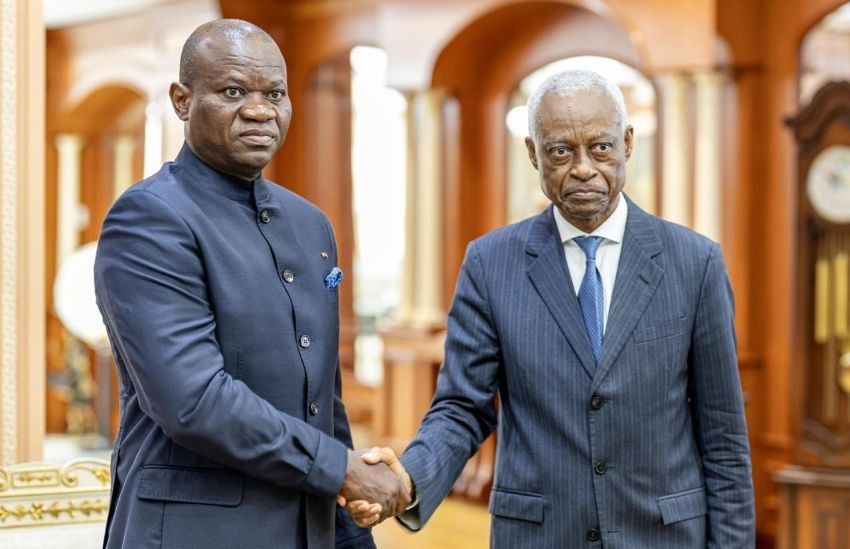
Libreville, June 3, 2026 — Gabon’s capital is undergoing a rapid urban makeover, with President Brice Clotaire Oligui Nguema steering a bold municipal restructuring initiative. During a high-level meeting with Libreville’s mayor, Eugène Mba, the Head of State reinforced the capital’s pivotal role in the nation’s modernization drive.
The session underscored a strategic shift: placing local governance at the heart of national development to accelerate tangible urban improvements. This move signals a departure from traditional administrative inertia toward a results-driven municipal approach, where performance metrics and ground-level execution take precedence.
From bureaucracy to action: Libreville’s new municipal mandate
The mayor presented a progress report on the capital’s transformation roadmap, first outlined at the start of his term. The updated blueprint includes a streamlined municipal structure and a revised action plan designed to enhance operational efficiency and service delivery.
Under this framework, local authorities face heightened accountability, with their success judged on measurable outcomes rather than bureaucratic processes. The goal is clear: transition Libreville from a reactive administration to a proactive engine of urban renewal.
Urban renewal priorities: infrastructure, green spaces, and waste management
The discussions zeroed in on key infrastructure projects to reshape Libreville’s landscape. Priorities include:
- Redesigning urban spaces for better functionality and aesthetics
- Developing modern parking facilities
- Expanding green and botanical zones
- Curbing illegal occupation of public land
These initiatives aim to address Libreville’s growing demographic pressures and chronic urban planning challenges. By upgrading neighborhood-level infrastructure, the government seeks to elevate residents’ quality of life while positioning the capital as a model of structured urban growth.
Waste management emerged as a critical focus. With persistent issues in garbage collection, transport, and disposal, the President emphasized the need for a coordinated, large-scale response. Waste treatment and recycling are now framed as public health imperatives and benchmarks for municipal performance.
Digital leap: transforming municipal services through innovation
A major highlight of the meeting was the push for digital modernization of Libreville’s administration. By digitizing municipal services, the city aims to:
- Simplify administrative procedures for citizens
- Boost transparency in local resource management
- Strengthen revenue collection through secure digital channels
This digital shift is part of a broader national trend, where technology is leveraged to enhance governance efficiency. However, it demands a cultural shift within institutions—one where performance, traceability, and accountability become core management principles.
Libreville as Gabon’s showcase of modern urban governance
Beyond technical projects, the President articulated a broader vision: Libreville must embody Gabon’s progress. As the nation’s showcase, the capital is expected to meet international standards in urban planning, public services, and space management.
The Head of State called on the mayor to lead with rigor, innovation, and efficiency, signaling a break from fragmented urban management. The goal is a cohesive, results-oriented municipal strategy that aligns with national development goals.
Local governance as a catalyst for national transformation
This meeting reflects a deeper governance evolution, where municipalities are positioned as key drivers of development. By prioritizing citizen-centric policies, the government aims to close the gap between political decisions and urban realities.
Libreville is now a testing ground for territorial reform, where the success of the capital’s transformation will signal the broader credibility of Gabon’s modernization efforts. The challenge ahead lies in execution, coordination, and sustainability—turning vision into lasting change.