Politics
Cameroun’s parliamentary sessions: journalist questions national assembly efficiency
Concerns mount over the limited duration of Cameroun’s parliamentary sessions as journalist Guibai Gatama questions whether the National Assembly can fulfill its constitutional duties with just three annual sessions totaling 90 days.
With only three annual parliamentary sessions of 30 days each, Cameroun’s National Assembly faces mounting scrutiny over its ability to effectively oversee government actions, legislate, and represent citizens.
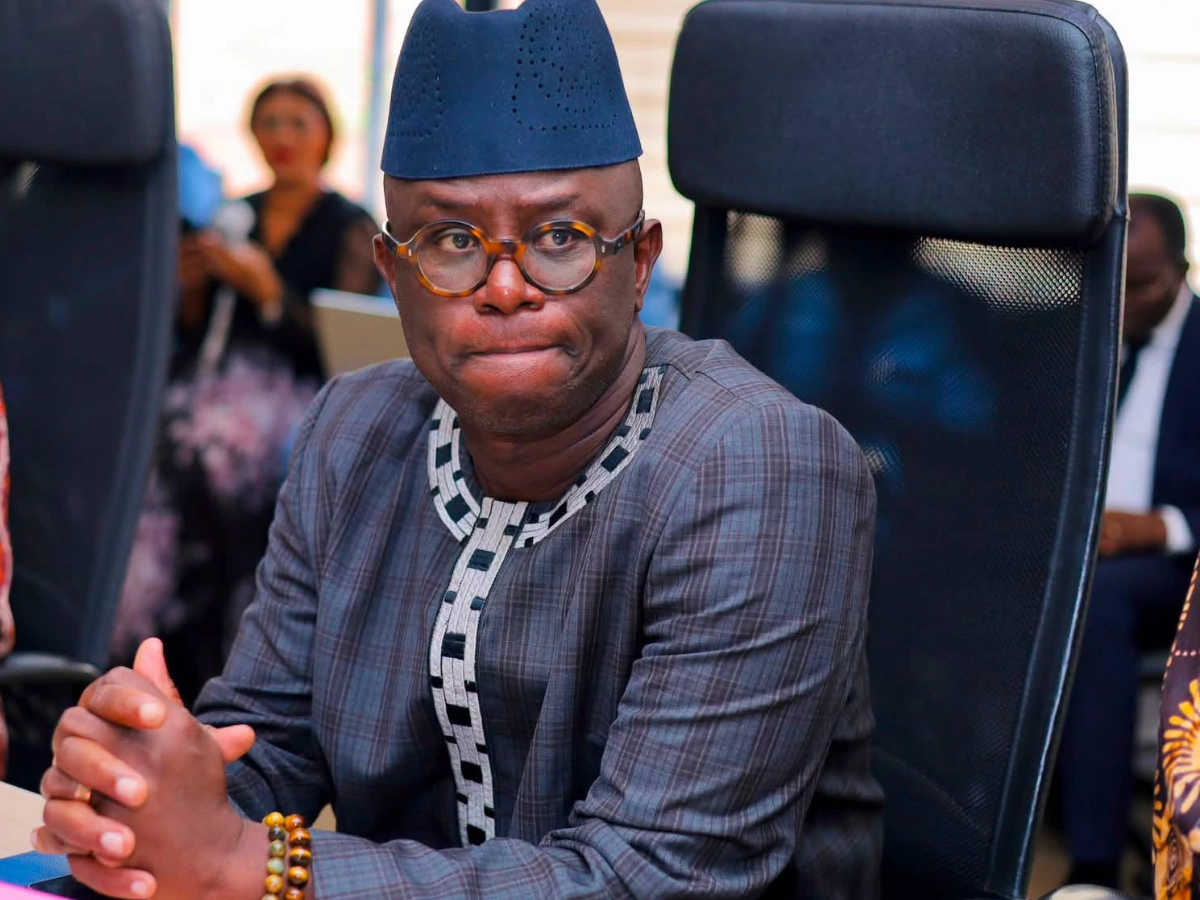
Journalist Guibai Gatama has raised serious concerns about the current parliamentary calendar in Cameroun, arguing that the existing framework—limited to three ordinary sessions totaling just 90 days annually—falls short of enabling legislators to carry out core responsibilities. In practice, plenary sittings often span barely half of each session, translating to roughly six weeks of substantive legislative work per year.
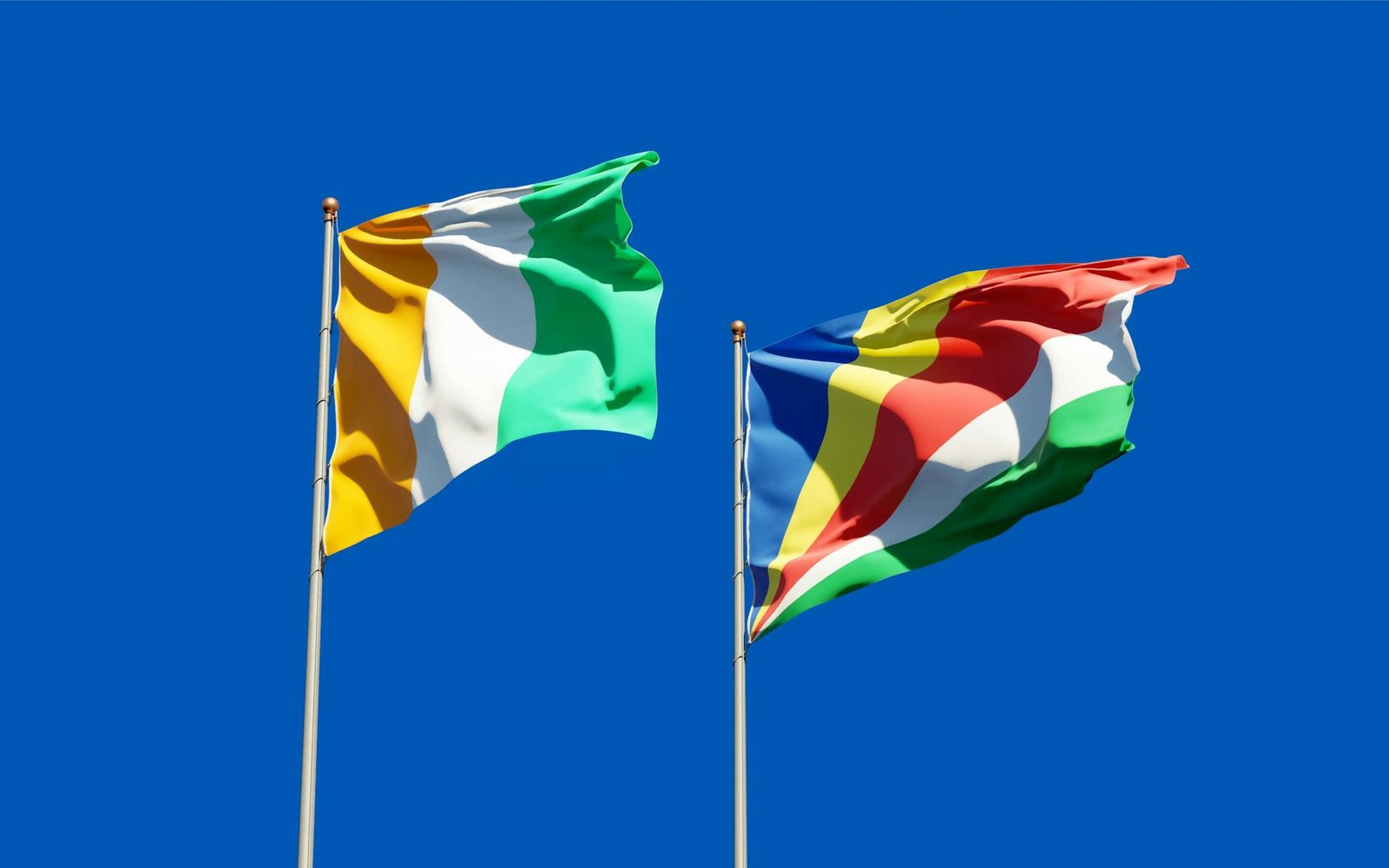
This constrained schedule, Gatama contends, is woefully inadequate given the country’s pressing political, economic, and social challenges. He highlights the stark contrast with regional peers, noting that legislatures in Chad, Senegal, and Côte d’Ivoire convene for eight to nine months annually, while Nigeria’s Parliament operates nearly year-round.
Gatama urges debate on extending parliamentary sessions in Cameroun
Describing the National Assembly as operating ‘in isolation from the nation,’ the founder of L’Œil du Sahel advocates for an urgent national discussion on reforming the legislative calendar. Such a change, he argues, would enhance public oversight, improve legislative scrutiny, and better align institutions with the daily concerns of citizens.
Guibai Gatama