National politics
Cameroun parliament sessions: journalist questions legislative efficiency amid short annual schedule
A prominent journalist is raising concerns about Cameroon’s parliamentary framework, highlighting how the current session structure may be hindering effective governance and representation.
Journalist Guibai Gatama is sounding the alarm over Cameroon’s parliamentary session schedule, arguing that the current framework—limited to three monthly sessions annually—fails to provide lawmakers with sufficient time to fulfill their constitutional duties.
The L’Œil du Sahel founder points out that while the National Assembly is constitutionally mandated to conduct oversight, legislate, and represent citizens, the reality falls short. With only around 15 active working days per session, the total annual legislative activity amounts to roughly six weeks—hardly enough to address the country’s pressing political, economic, and social challenges.
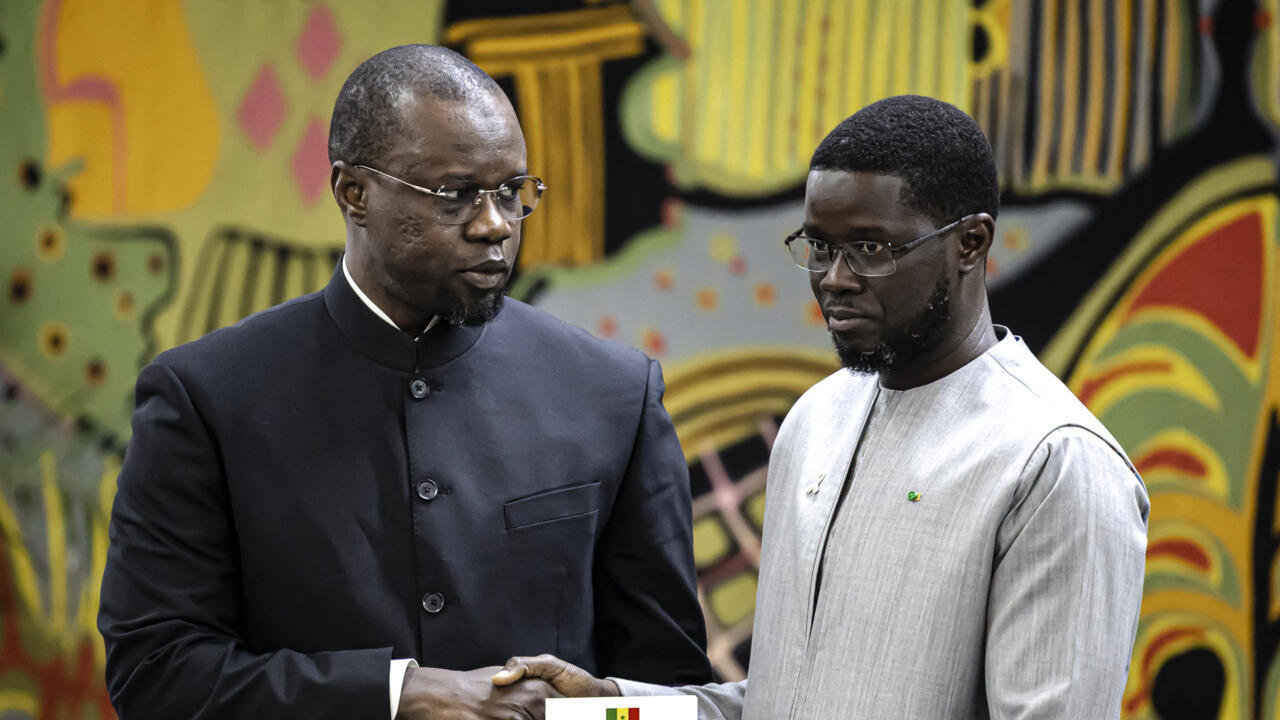
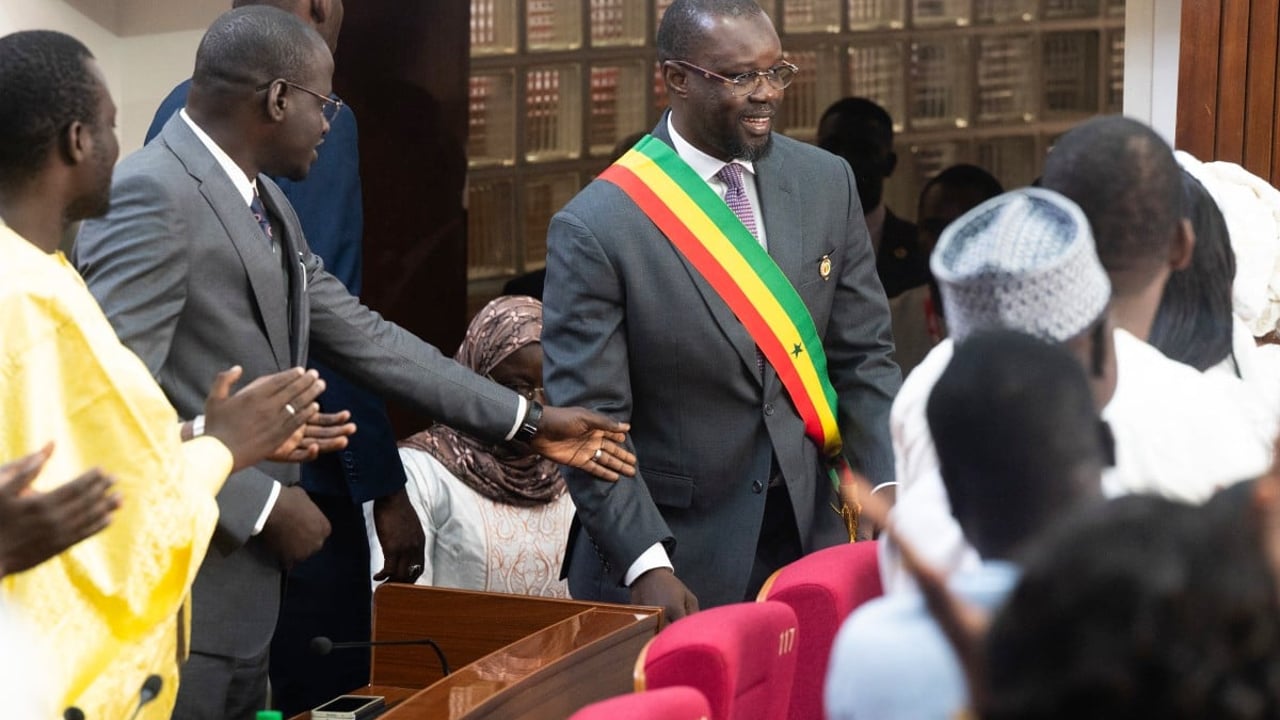
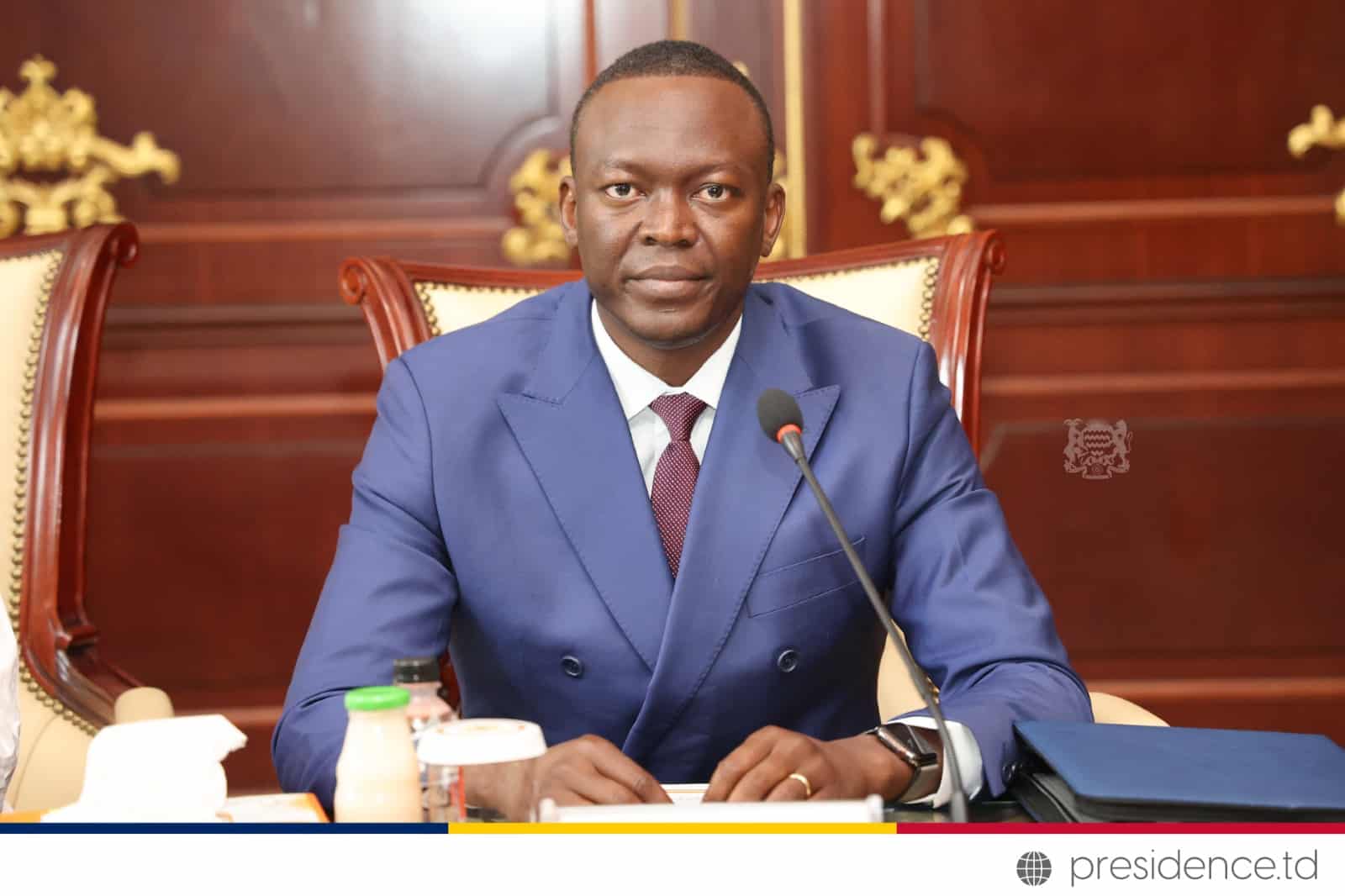
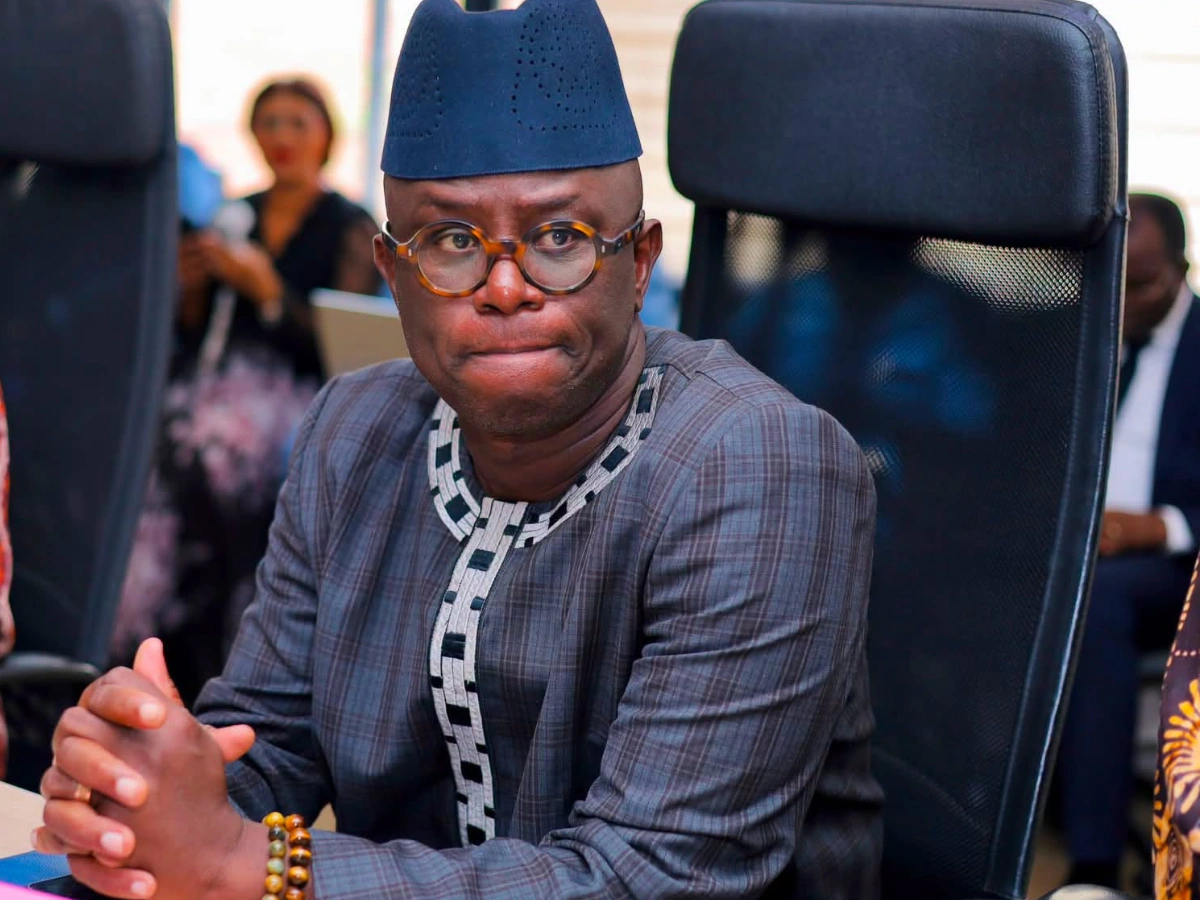
Gatama draws comparisons with regional peers like Chad, Senegal, and Côte d’Ivoire, where parliaments operate for eight to nine months annually, and Nigeria, where legislative sessions span nearly the entire year. Cameroon’s current model, he contends, risks marginalizing the institution from national priorities.
Calls for a legislative calendar reform to enhance governance
Highlighting what he describes as a disconnect between the National Assembly and Cameroonian society, Gatama advocates for a comprehensive review of the parliamentary calendar. Extending session durations, he argues, would strengthen public policy oversight, improve legislative scrutiny, and ensure citizens’ concerns receive adequate legislative attention. The journalist emphasizes that such reforms could bridge the gap between institutional operations and the day-to-day realities faced by Cameroonians.