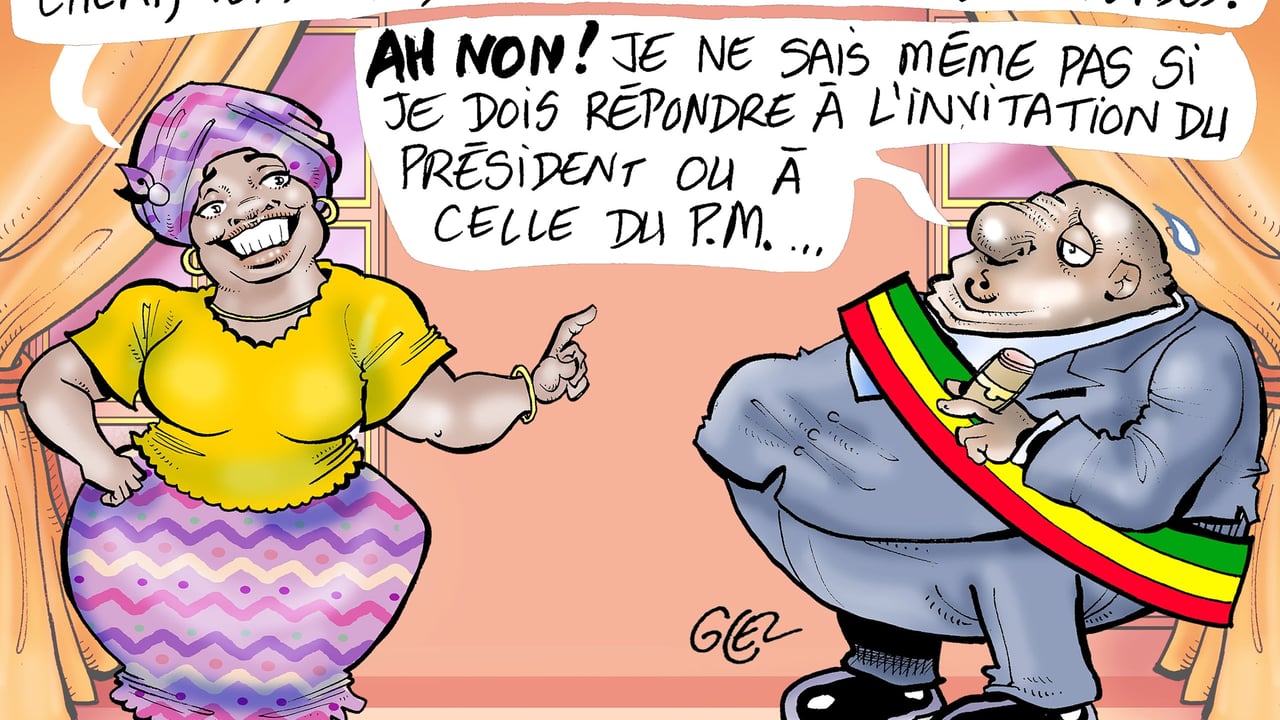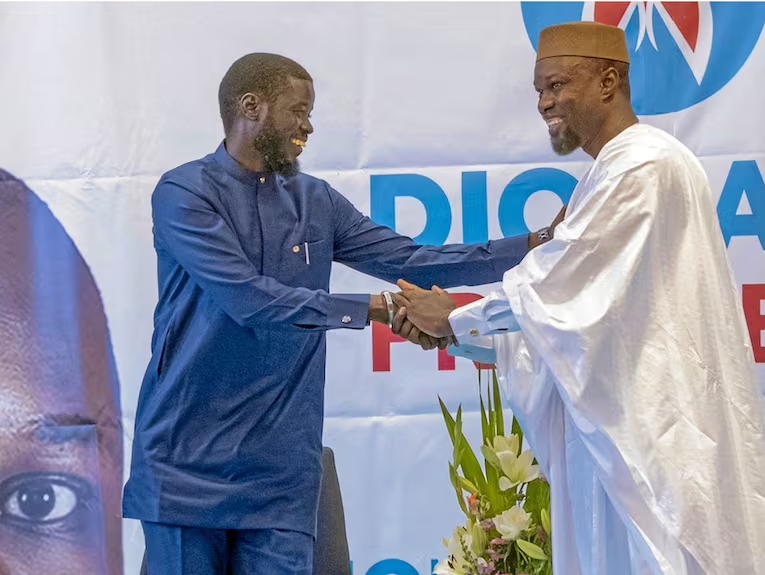
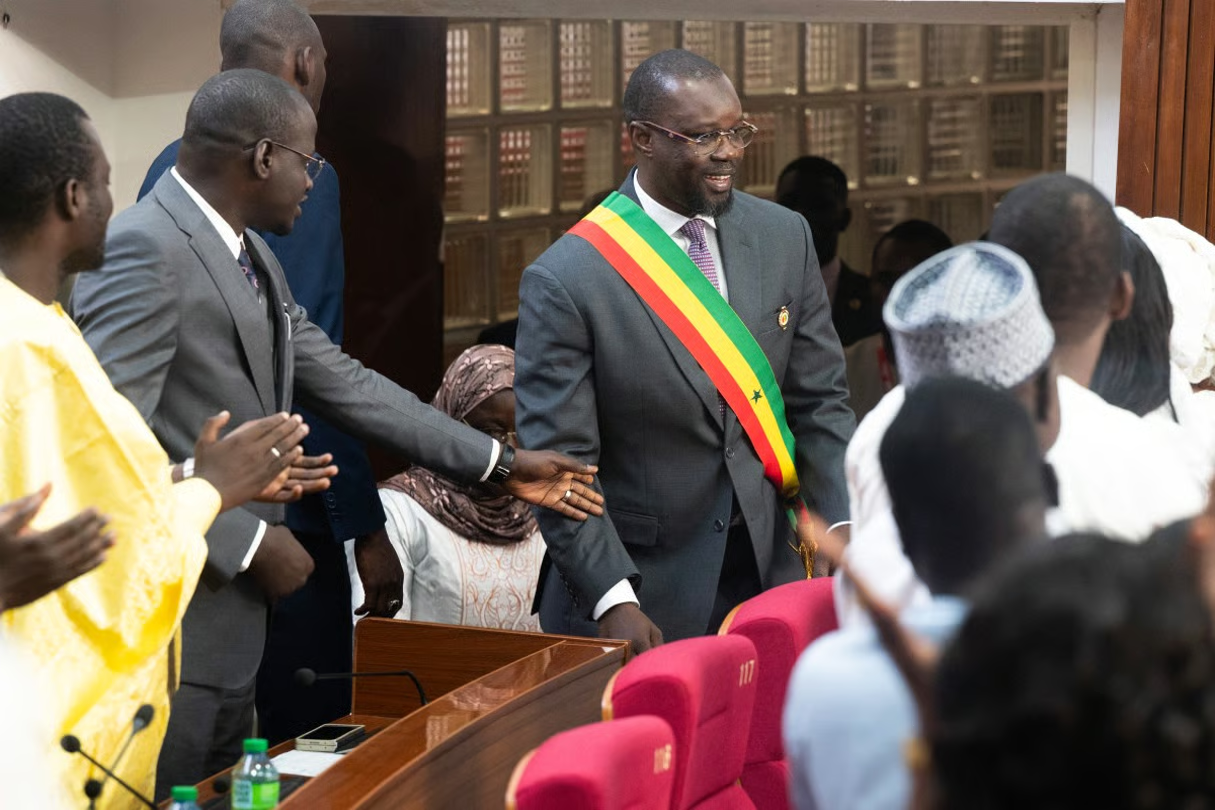
Ousmane Sonko’s swift rise to power at the helm of Senegal’s National Assembly
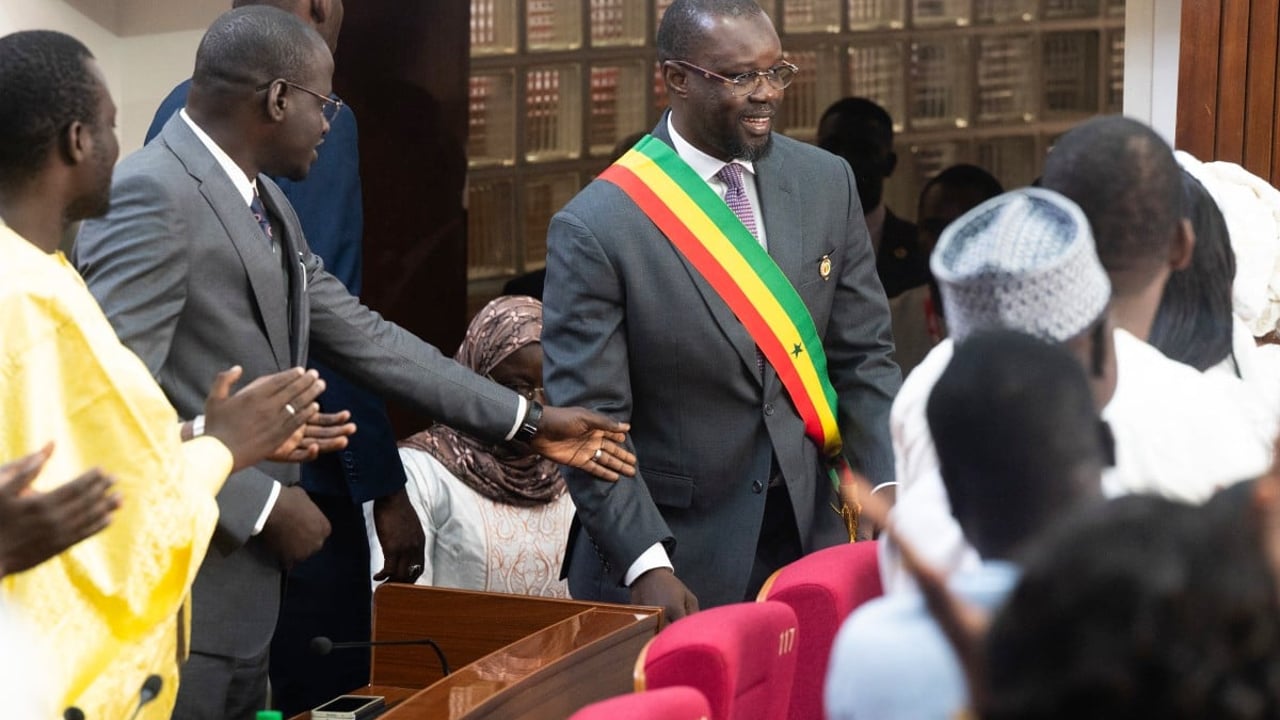
Ousmane Sonko’s political trajectory took a dramatic turn on May 22, 2026, when President Bassirou Diomaye Faye dismissed him from his role as Prime Minister. Just four days later, on May 26, the National Assembly elected Sonko as its new President in a session that concluded with remarkable speed. The morning proceedings, which began at 9:00 AM, were wrapped up in record time.
Sonko, widely known among his peers as the “guardian of the revolution”, delivered his inaugural address to the Assembly, marking the beginning of a new chapter in his political career. The swiftness of his election and the brevity of the session have sparked intense debate across the nation.
Opposition condemns Sonko’s election as a ‘sham’
The opposition has wasted no time in denouncing Sonko’s election as a political masquerade. Critics argue that the process lacked transparency and fairness, raising serious concerns about the integrity of Senegal’s democratic institutions. Protests have erupted in several cities, with demonstrators accusing the ruling party of manipulating the outcome to consolidate power.
Political analysts suggest that Sonko’s election reflects deeper divisions within Senegal’s political landscape. His rapid ascent to the Assembly’s presidency, coupled with his controversial dismissal as Prime Minister, has intensified scrutiny of President Faye’s leadership and governance style.
What’s next for Senegal’s political scene?
The fallout from Sonko’s election is expected to reverberate across the country’s political spectrum. Key questions remain unanswered:
- Will the opposition escalate protests? Demonstrations have already gained momentum, with opposition leaders calling for nationwide strikes and civil disobedience.
- How will President Faye respond? The President’s decision to appoint and then dismiss Sonko as Prime Minister has raised eyebrows, fueling speculation about his long-term political strategy.
- What does this mean for Senegal’s democracy? Analysts warn that the current political climate could undermine public trust in democratic processes, particularly if allegations of electoral manipulation persist.
As Senegal navigates this period of political upheaval, the international community is closely monitoring developments. The outcome of this crisis could have far-reaching implications for the country’s stability and its role in regional politics.
For now, all eyes are on Dakar, where the political landscape continues to evolve at a rapid pace. The coming weeks will be critical in determining whether Senegal can reconcile its divisions or whether the current turmoil will deepen further.