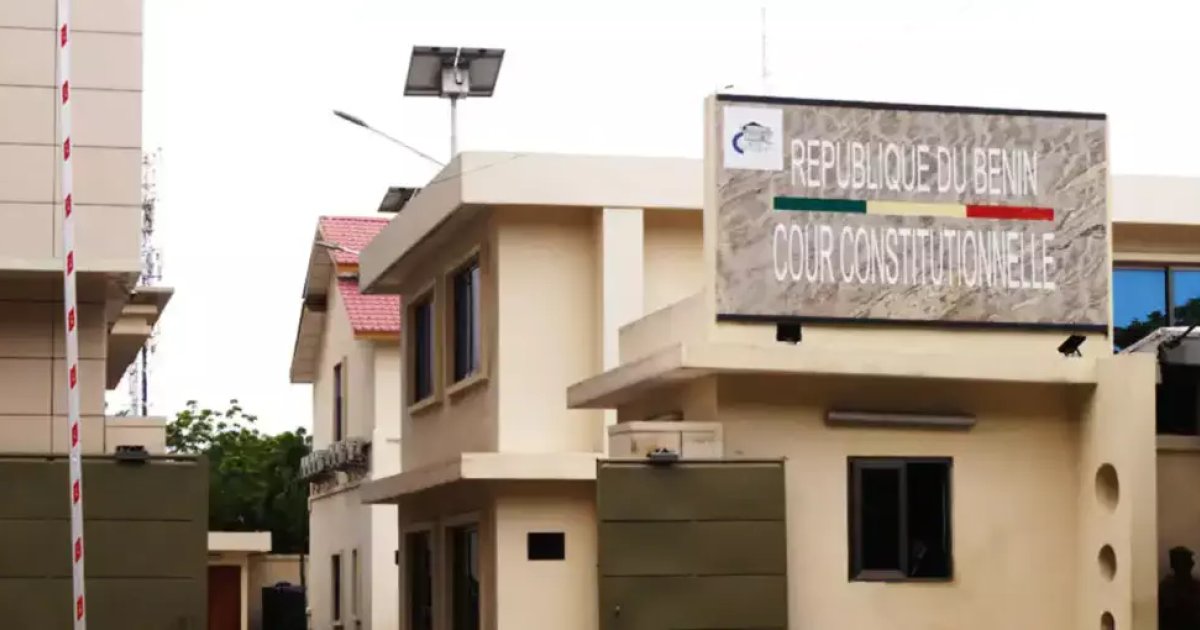
The Constitutional Court of Bénin concluded a five-day intensive seminar on July 17 in Agoué, dedicated to evaluating the presidential election held on April 12, 2026. High-ranking judges and legal experts meticulously examined every stage of the electoral process to pinpoint strengths, challenges, and actionable improvements for upcoming elections.

Key insights and recommendations from the evaluation
Vice-President Nicolas Assogba, representing President Dorothé Sossa who was unable to attend, chaired the closing ceremony. He praised the depth and quality of discussions, affirming that all seminar objectives had been successfully met. Emphasizing the importance of data-driven assessment, he quoted management expert Peter Drucker: “What gets measured gets improved.”
Strengthening electoral integrity
Participants identified several areas for enhancement, including tighter procedural controls, clearer voter education protocols, and improved logistical coordination between polling stations. These insights are intended to fortify the credibility of future elections and deepen public trust in the democratic process.
Building a lasting framework
To ensure these recommendations are implemented, the vice-president announced the formation of a dedicated committee to review the seminar’s findings. Once validated by the Court’s General Assembly, the proposed changes will be compiled into a comprehensive electoral procedures manual. This document will serve as a benchmark for all future ballots in Bénin, guaranteeing consistency, transparency, and legal certainty.
A call for continuous improvement
In his closing remarks, Nicolas Assogba urged members of the Constitutional Court to embrace innovation and ongoing refinement. His vision is clear: to build an institution that not only upholds the rule of law but also earns the unwavering confidence of citizens through fair, secure, and transparent elections.