Sénégal, Middle East tensions and 2026 World Cup
This week’s discussion dives into Senegal’s evolving political landscape following the invalidation of key constitutional reforms and the formation of a new presidential party. With Bassirou Diomaye Faye at the helm, can these strategic moves unite opposition factions and sway public sentiment? Meanwhile, escalating conflicts in the Middle East and their global implications take center stage.
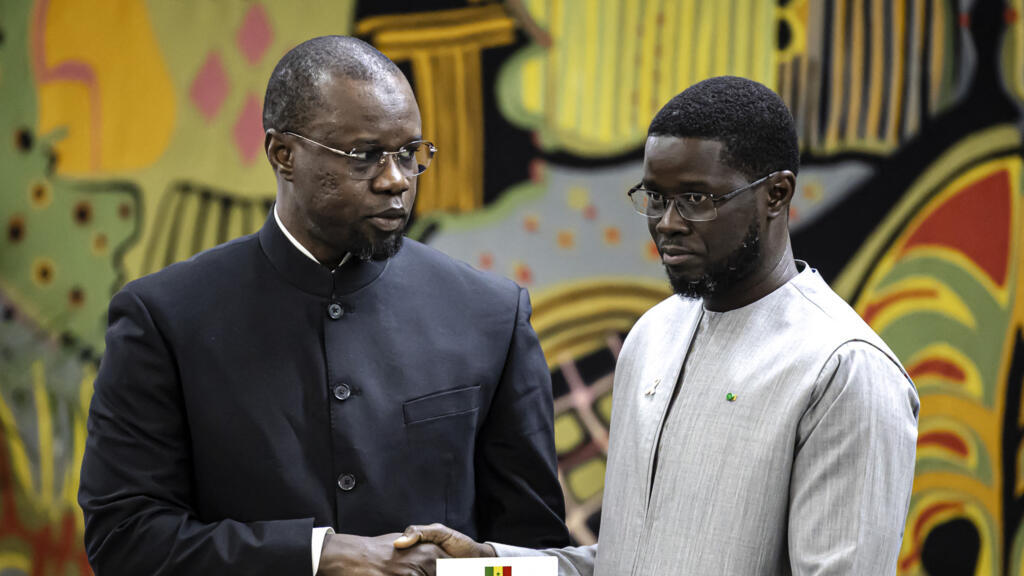
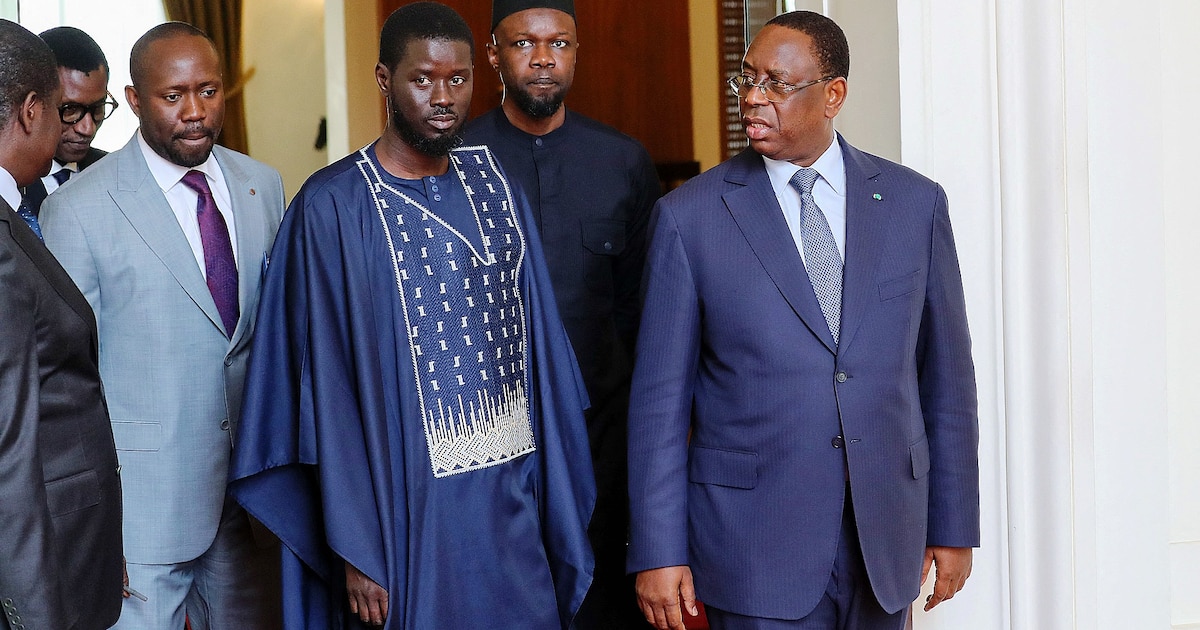
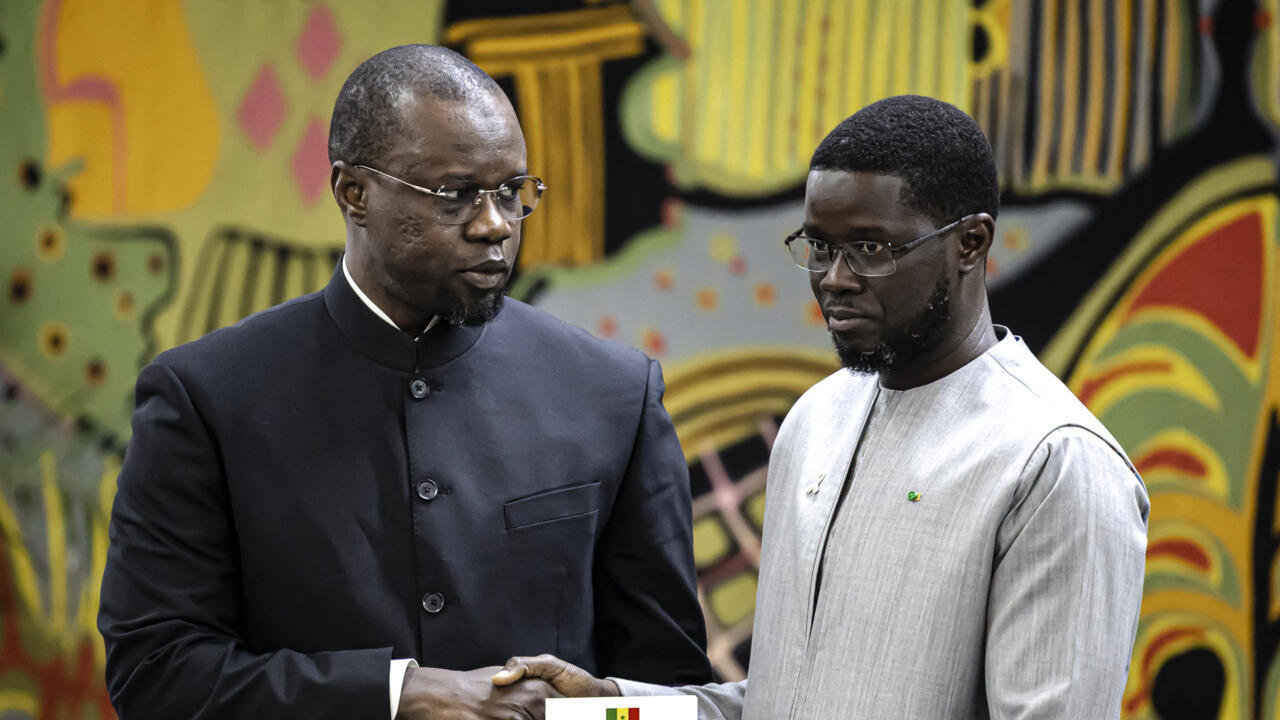
Senegal’s political arena has been marked by significant developments this week. Following the Constitutional Council’s decision to strike down a constitutional reform passed by the majority parliamentary bloc of Pastef—led by Ousmane Sonko—President Bassirou Diomaye Faye has taken bold steps to consolidate his agenda. The creation of a new presidential party has raised questions about the future trajectory of his mandate. Will these maneuvers succeed in bridging divides with opposition groups and winning over the Senegalese public?
The global stage is equally turbulent. In the Middle East, tensions involving Iran have intensified, with recent strikes and retaliatory actions pushing the situation to a critical juncture. Former U.S. President Donald Trump’s declaration that the ceasefire is “over” and his dismissal of negotiations with Tehran as a “waste of time” signal a potential military escalation. Could this lead to a broader conflict in the region?
Each week, prominent African journalists and analysts dissect pressing issues shaping both the continent and the world. This episode features:
- Wuldath Mama, Beninese journalist specializing in international affairs
- Eric Topona, Chadian journalist with Deutsche Welle’s Francophone Africa desk
- François Hiondi Nkam, veteran reporter and Economy Editor at Cameroon’s Le Jour newspaper