Senegal’s political shift and global tensions under spotlight
Senegal finds itself at the crossroads of domestic political upheaval and escalating international tensions as President Bassirou Diomaye Faye navigates a turbulent mandate. With the invalidation of a constitutional reform by the Constitutional Council and the formation of a new presidential party, the administration faces a critical test of its ability to unite a deeply divided nation.
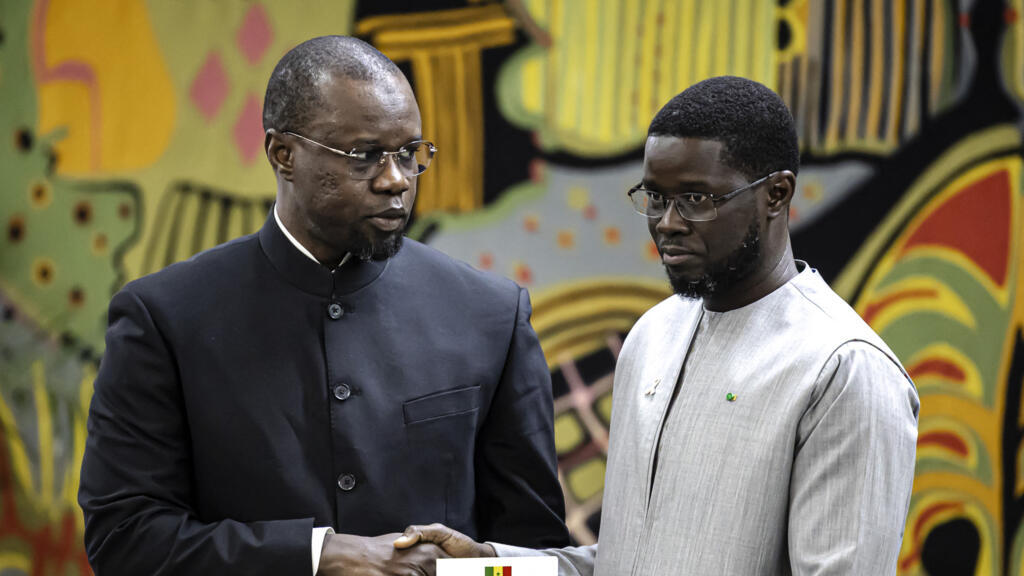
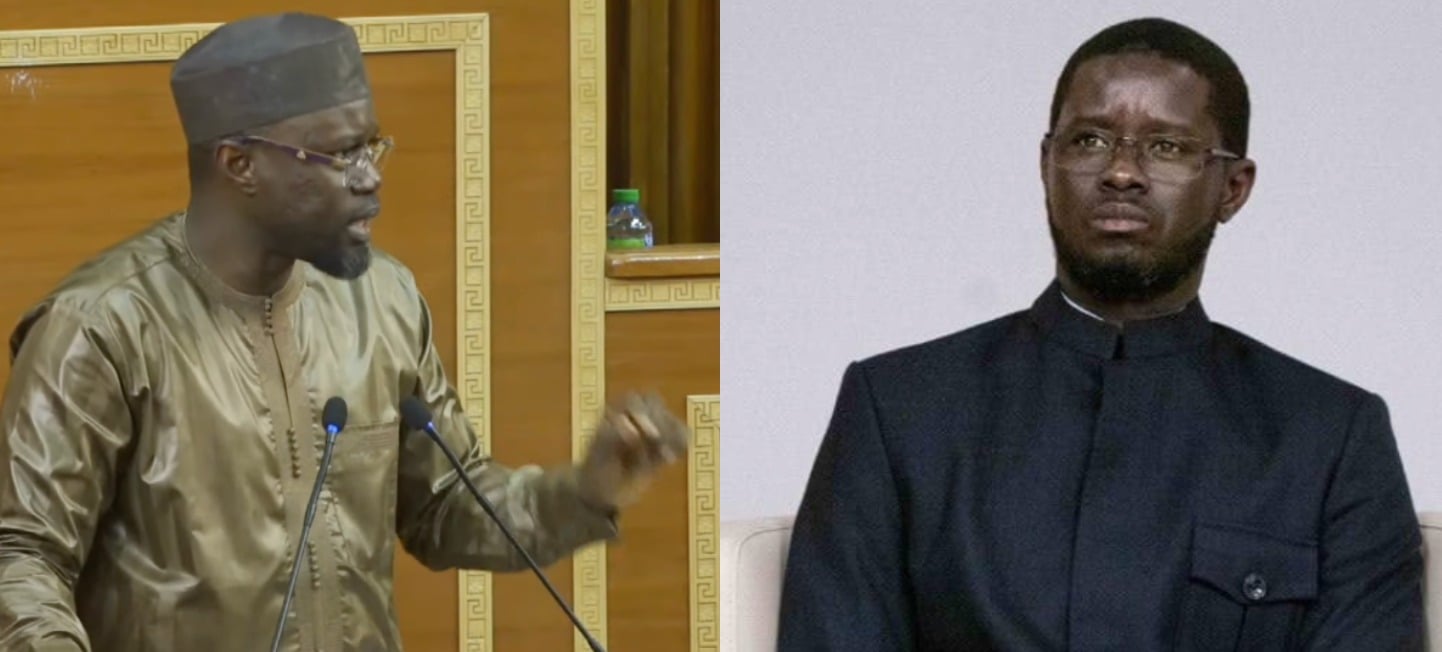
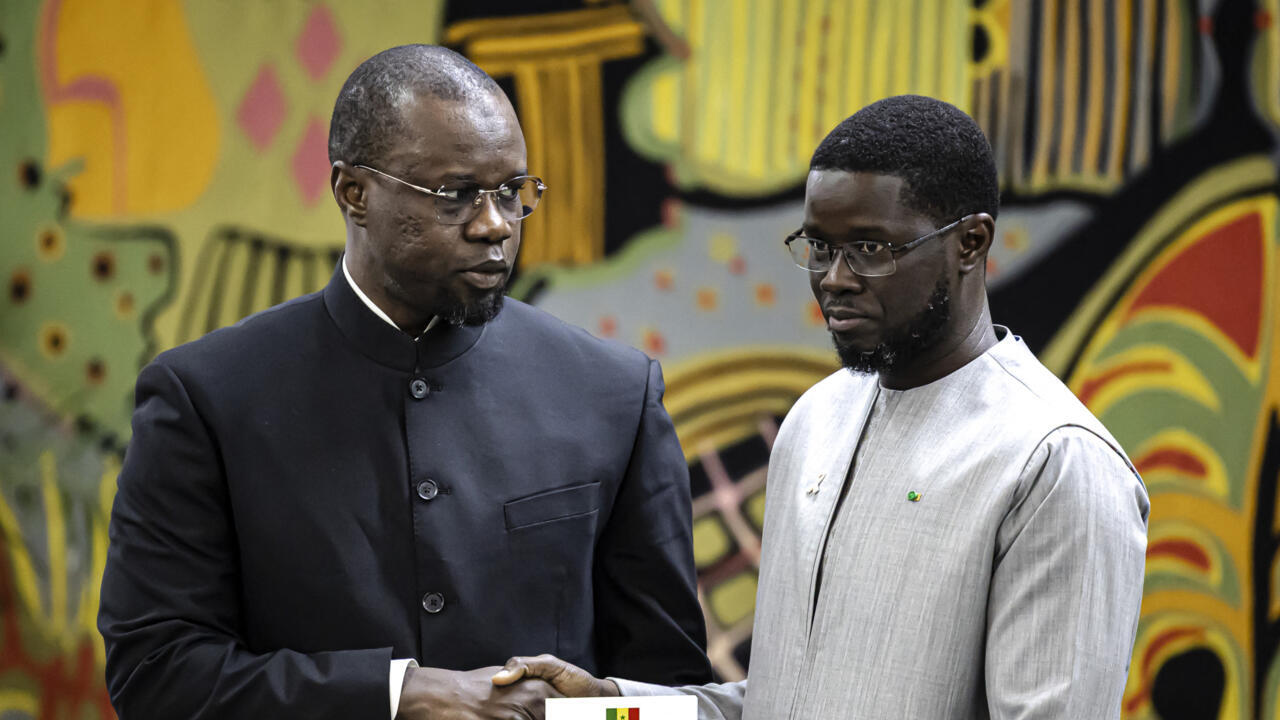
The political landscape in Dakar has been rocked by two major developments. First, the Constitutional Council struck down a constitutional reform passed by the parliamentary majority led by Ousmane Sonko’s Pastef party. Second, President Bassirou Diomaye Faye announced the creation of a new presidential party, signaling a clear pivot in his governance strategy. These moves have raised questions about the administration’s long-term vision and its capacity to bridge divides within Senegalese society.
Regional stability and international pressures
Beyond domestic challenges, Senegal must grapple with the ripple effects of global instability. The resurgence of tensions in the Middle East, particularly involving Iran, has intensified under the current administration in Washington. Recent exchanges of strikes and retaliations have prompted U.S. President Donald Trump to declare the ceasefire “terminated,” dismissing negotiations with Tehran as a “waste of time.” The specter of further military intervention looms large, threatening to destabilize an already volatile region.
The intersection of Senegal’s internal political dynamics and global geopolitical tensions creates a complex environment for policymakers. As Dakar seeks to assert its role on the continental stage, the decisions made in the coming months will shape the country’s trajectory and influence its standing within the African Union.
Analyzing the path forward
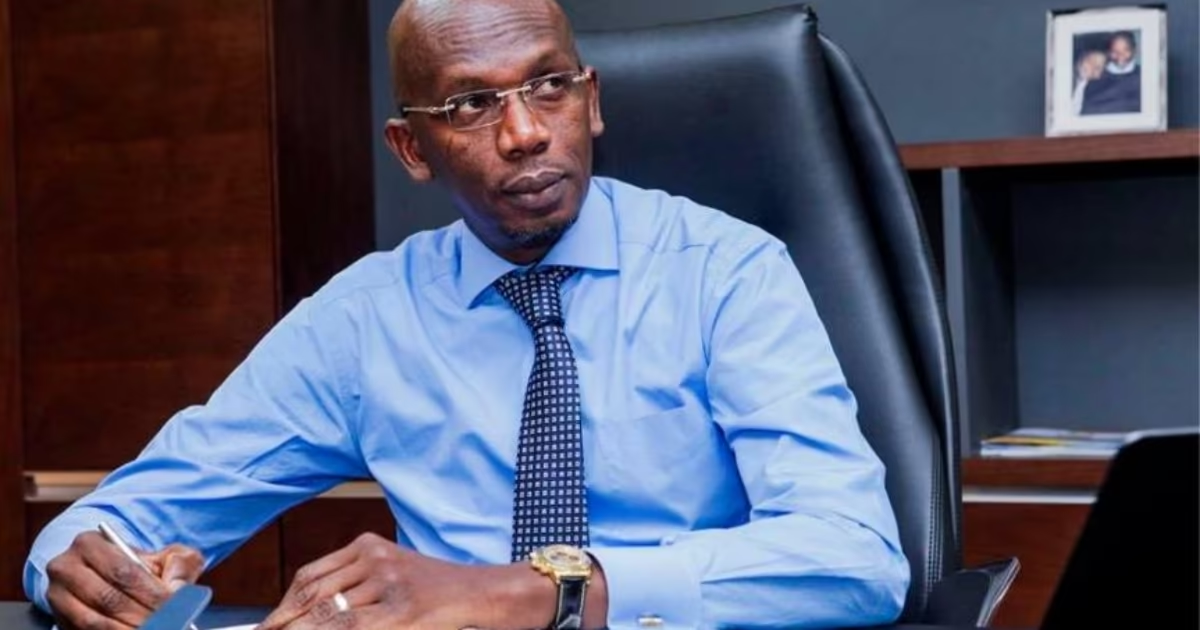
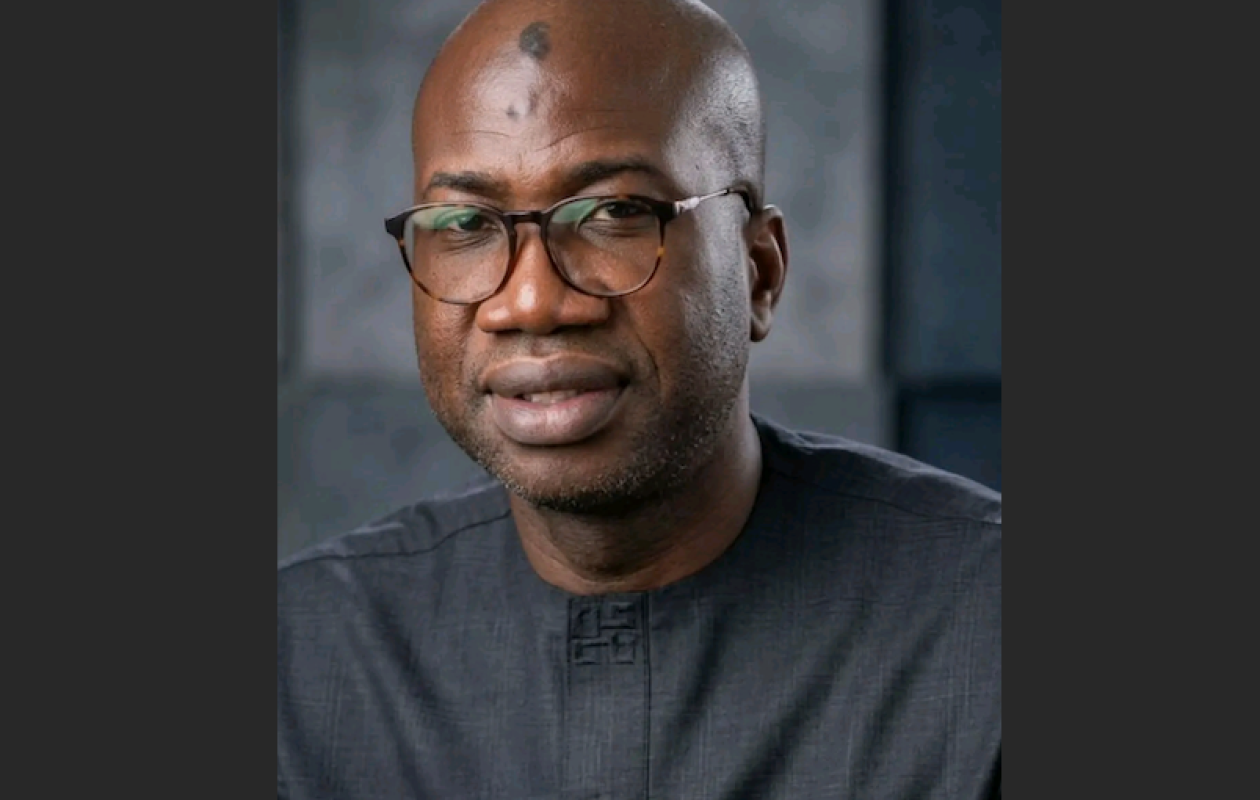
Weekly roundtable discussions featuring prominent African journalists provide deeper insights into these unfolding events. Among the panelists are:
- Wuldath Mama, Beninese journalist specializing in international affairs;
- Eric Topona, Chadian journalist with the Deutsche Welle’s Francophone Africa desk;
- François Hiondi Nkam, award-winning reporter and Head of the Economy Desk at Cameroon’s Le Jour newspaper.
These experts dissect the implications of Senegal’s political maneuvering, the Middle East crisis, and the broader challenges facing the African continent. Their analyses offer a nuanced perspective on how these developments could impact regional security, economic cooperation, and the continent’s role in global affairs.
With so much at stake, Senegal stands at a pivotal moment. The choices made by its leadership and the responses from its citizens will define the nation’s future in an era of unprecedented uncertainty.