
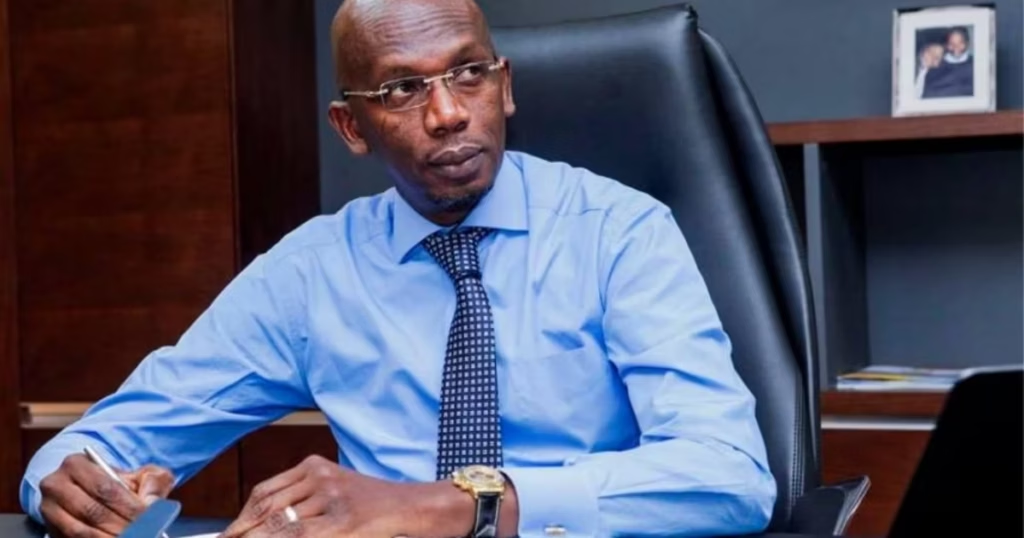
Lansana Gagny Sakho accuses Ousmane Sonko of rejecting republican values
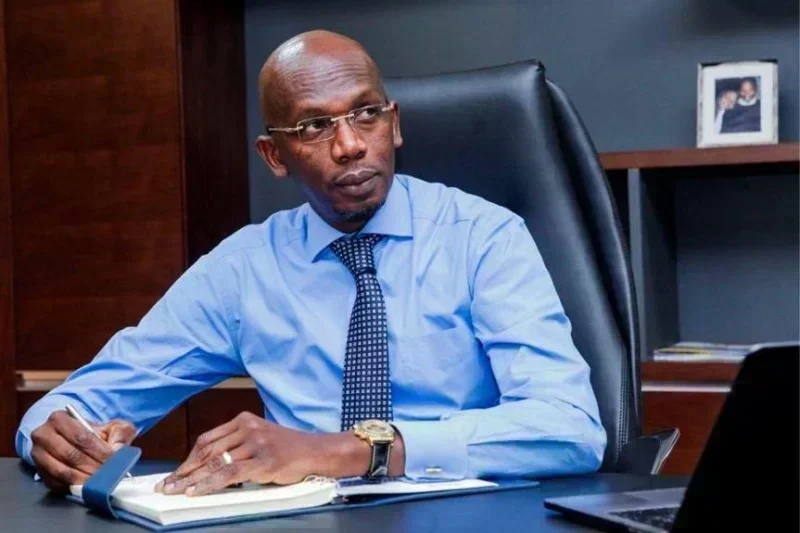
Following political transition, he revealed turning down a high-ranking appointment to uphold his unwavering principles.
Once a close associate of Ousmane Sonko, Lansana Gagny Sakho now serves as a prominent figure within Kiiraay, the political movement led by President Bassirou Diomaye Faye. In a recent radio interview, the Chair of the APIX Board of Directors delivered a scathing critique of his former mentor, Sonko, while defending his own decision to prioritize Senegal’s republican institutions.
Sakho explained that his initial alignment with Sonko stemmed from admiration for the individuals behind the political project. However, after the change in leadership, he declined an offer to lead the water and sanitation sector, a position that would have compromised his core values. “I refused to place political positions above my principles,” he declared. “This stance allowed me to move forward with integrity.” He added, “From the outset, I chose the Republic over personal gain.”
In stark contrast, Sakho accused Sonko of “never truly embracing republican ideals.” He pointed to public statements made by Sonko during President Faye’s official visits to the United States and China, where Sonko criticized a perceived lack of authority in the country. According to Sakho, such remarks undermined the Head of State’s position and exacerbated divisions at the highest levels of government.
For Sakho, the essence of political commitment lies in strengthening institutions and enhancing state efficiency. While acknowledging challenges faced by both sides, he highlighted significant progress, particularly in judicial reforms. He emphasized that magistrates are not mere tools of political manipulation, despite attempts to sway them. “Those who sought to control the judiciary underestimated the integrity of Senegalese magistrates,” he asserted.
Sakho also addressed the recent changes at the Ministry of Justice, recalling statements from the former Minister, Ousmane Diagne, who vowed not to be influenced by external pressures. Sakho argued that Diagne’s removal was intended to install a more compliant figure, yet such efforts failed to account for the resilience of Senegal’s judicial system. “The magistrates’ independence remains unshaken,” he concluded, reinforcing the idea that power dynamics in governance differ vastly from opposition perspectives.


More Stories
Sonko’s sharp critique of Senegal’s imf deal stirs debate
Cameroun : prendre des mesures incitatives pour booster les inscriptions sur les listes électorales
DRC’s new inclusive national dialogue: what outcomes can be expected?