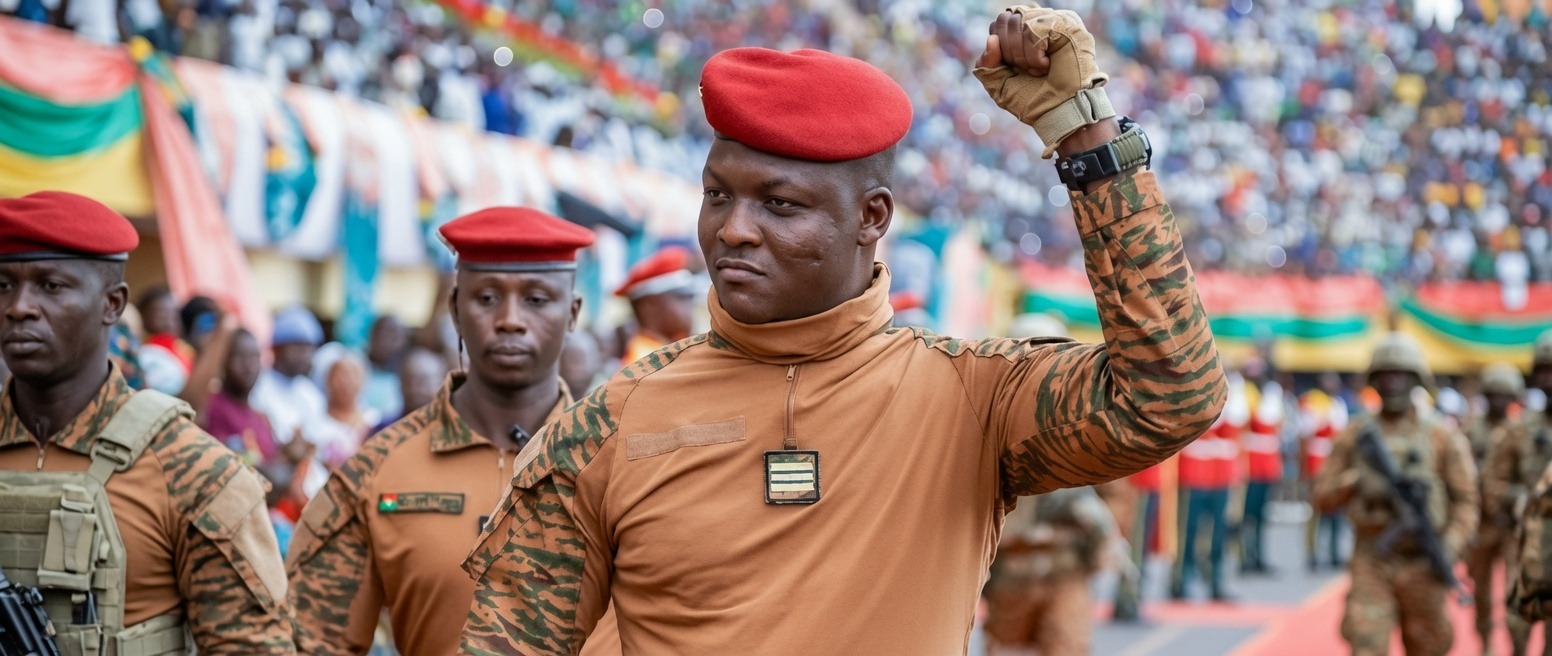
The Burkina Faso government under Captain Ibrahim Traoré has built its political narrative around a bold claim: economic self-sufficiency and the end of reliance on foreign financial institutions. Yet, a closer examination of the country’s economic trajectory reveals a more complex picture one where rhetorical sovereignty clashes with financial realities.
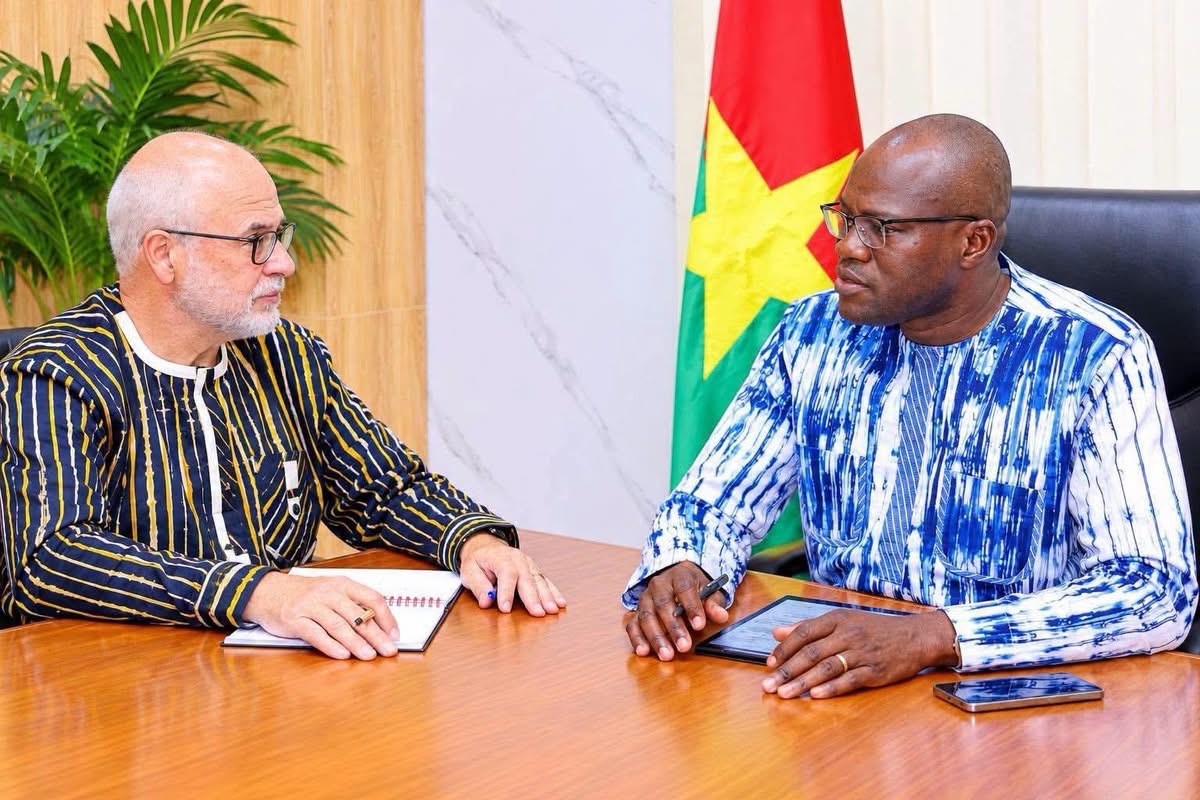
On November 4, 2026, the International Monetary Fund (IMF) announced a technical agreement with Burkinabè authorities, paving the way for potential financing totaling $87.67 million (approximately 49.6 billion FCFA). This funding, tied to existing programs the Extended Credit Facility (ECF) and the Resilience and Sustainability Facility (RSF) is contingent on IMF board approval, expected by mid-January 2027. Of this amount, $65.38 million is allocated under the ECF, while $22.29 million falls under the RSF. While not yet disbursed, the agreement underscores a persistent reliance on external financial mechanisms despite official declarations of financial emancipation.
Discourse versus reality: the enduring gap in economic storytelling
The challenge for Burkina Faso’s leadership is not merely seeking international financing practically necessary for many nations but reconciling this dependence with the sweeping rhetoric of financial autonomy promoted domestically. How can citizens be expected to embrace claims of self-funded development when the state continues to pursue IMF resources to meet basic fiscal needs?
This inconsistency raises critical questions: If national revenues, including gold exports, are sufficient, why does the country still require external support? Conversely, if IMF financing remains indispensable, why sustain a public narrative that suggests Burkina Faso has severed ties with traditional funding mechanisms?
The answer lies not in condemning the use of IMF facilities but in demanding transparency regarding their necessity and the terms attached. Citizens deserve clarity not just claims of economic prowess.
Gold reserves under scrutiny: assets with unfulfilled potential
Burkina Faso possesses significant gold reserves, which have long been touted as a cornerstone of its economic independence. The IMF itself acknowledges the positive impact of elevated gold prices, increased mining production, and sector reforms on state revenues and economic activity. However, natural wealth does not automatically translate into liquidity or fiscal stability.
Vital details remain opaque: How much revenue from gold mining is actually channeled into the national budget? What percentage funds critical public infrastructure? How do these resources improve the daily lives of Burkinabè citizens?
True economic sovereignty is not measured in political decrees but in tangible outcomes demonstrable progress in living standards, service delivery, and long-term financial stability. Without clear answers, gold remains more of a symbolic asset than a transformative financial engine.
IMF prescriptions: accountability as the missing link
In its June 2026 assessments, the IMF emphasized key priorities for Burkina Faso: strengthening domestic revenue collection, improving public finance management, enhancing governance, and safeguarding social expenditures. The institution also pressed for prudent debt management and greater transparency in public resource allocation.
These recommendations highlight a fundamental issue: How can Burkina Faso reconcile its proclaimed financial sovereignty with the structural adjustments demanded by its external partners? The disconnect between official narratives and IMF conditions reflects a broader governance challenge one that demands concrete action, not rhetorical flourishes.
Accountability over slogans: the citizen’s right to clarity
For years, the Burkinabè public has been subjected to ambitious declarations of self-reliance. Yet, when faced with pressing budgetary shortfalls, the state turns to the very institutions it once criticized. This duality undermines public trust and raises a simple yet undeniable demand: transparency.
Citizens are not asking for theoretical sovereignty they seek evidence. What are the actual financial gaps Burkina Faso faces? Under what terms is external assistance secured? How will these funds be used, and what safeguards are in place to ensure equitable distribution?
The time for slogans has passed. Burkina Faso stands at a decisive turning point one where financial independence cannot be declared but must be earned through responsible governance, fiscal discipline, and unwavering commitment to the people’s well-being.
A nation’s future hinges on honest governance
The debate transcends the $50 billion figure tied to the IMF agreement. It is fundamentally about coherence between political promises, economic choices, and public accountability. Sovereignty is not forged in press conferences denouncing foreign financial partners; it is built through the honest assessment of a nation’s resources, the responsible management of its finances, and the transparent delivery of tangible benefits to its people.
As Burkina Faso moves forward, the true test of its economic resilience will not be the volume of its gold reserves or the volume of IMF funds secured, but the integrity of its leaders and the prosperity they deliver to every household.
By Ramatou Soumana — Journalist