The performance of Ivory Coast’s port logistics is now central to the debate surrounding the country’s mining sector future. As discussions intensify during the SIREXE 2026 mining and energy expo in Abidjan, stakeholders are questioning whether the nation’s export capacities can keep pace with its rapid mining expansion.
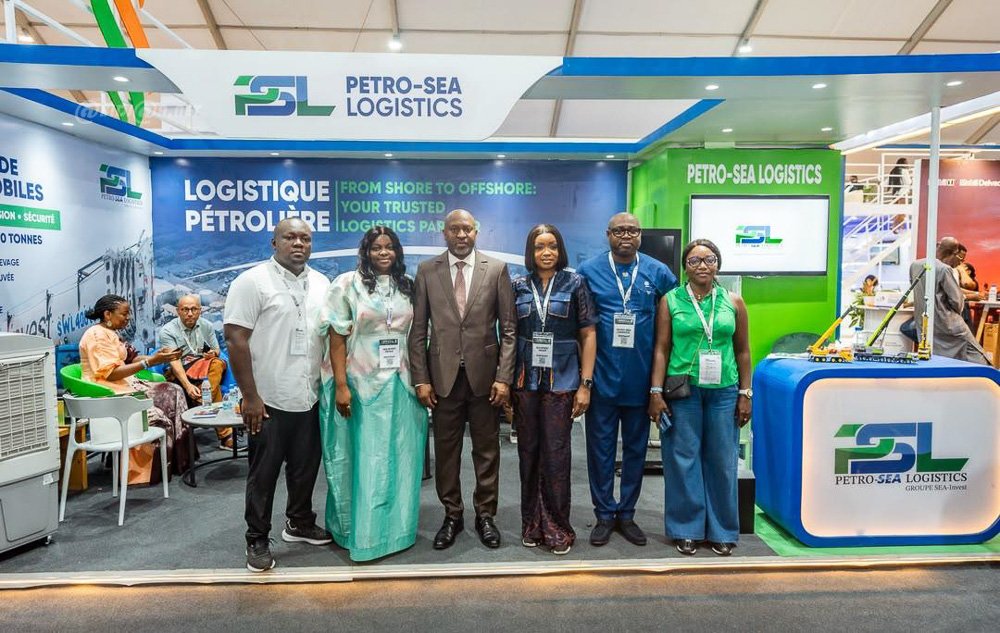
Industry data reveals a mixed picture: SEA-invest Côte d’Ivoire reports handling over 2 million tonnes of minerals—including bauxite, manganese, and spodumene concentrate—across 41 specialized port calls so far this year. But behind these export volumes lies a deeper challenge: nearly 10 million tonnes of goods have passed through its docks, underscoring how port infrastructure now shapes the competitiveness of mining, energy, and industrial exports.
The stakes are rising as Ivory Coast pushes forward with its economic transformation agenda. The availability of port equipment, storage solutions, and onward transport options directly affects export costs, delivery times, and ultimately, the global market competitiveness of Ivorian minerals. With a draft depth of 15 meters at the Abidjan Bulk Terminal, operators can now accommodate larger vessels via barge loading—a step forward in streamlining mineral exports.
Myriam Ouassenan, CEO of SEA-invest Côte d’Ivoire, emphasizes that mining growth cannot be decoupled from logistics reliability. In her view, robust port infrastructure is not just an enabler but a prerequisite for sustaining export momentum and attracting private investment in industrial development.
The national development plan (PND 2026–2030) reflects this urgency, prioritizing large-scale infrastructure investments and private sector collaboration to accelerate industrialization. Yet, industry observers warn that without accelerated port upgrades, bottlenecks could emerge by 2026, threatening to stall the mining boom and limit local value chain integration.
As Ivory Coast positions itself as an emerging mining hub, the outcome of this infrastructure debate will determine whether the country’s mineral wealth translates into lasting economic growth—or becomes yet another case of untapped potential.