Sabcé under siege: a morning of terror unfolds
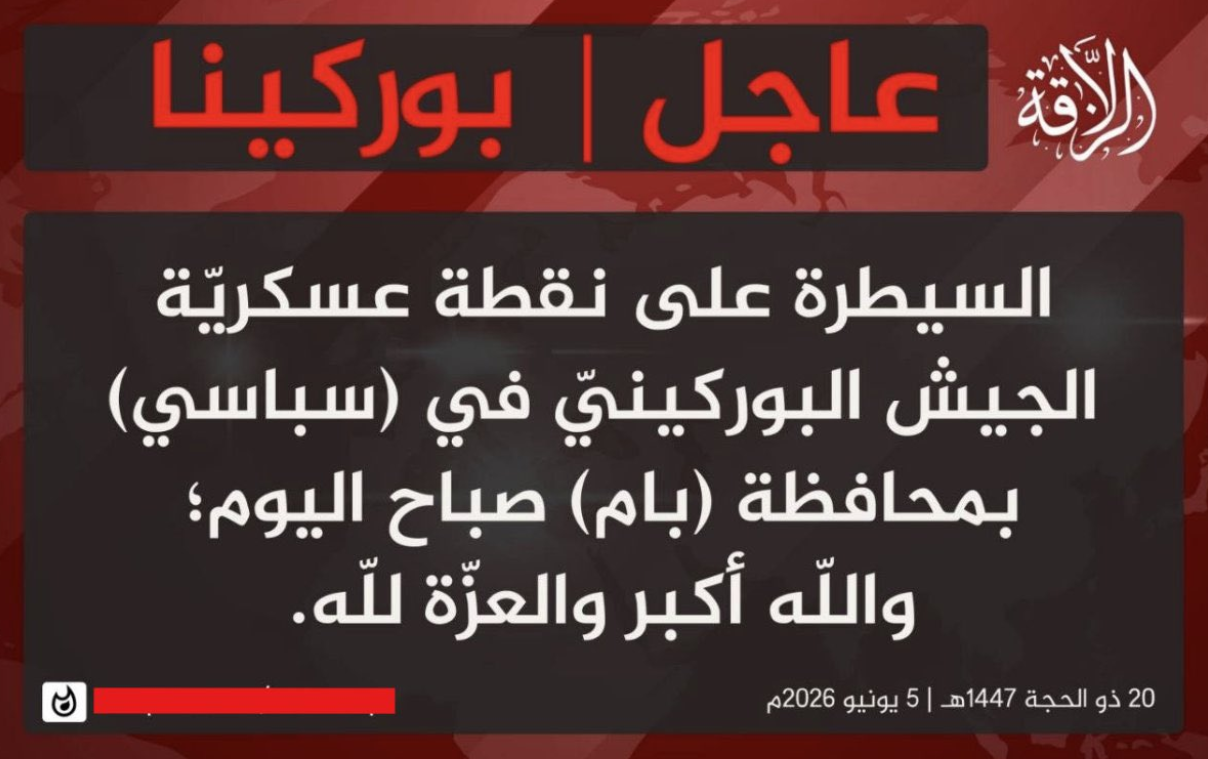
In the early hours of Friday, June 5, 2026, the tranquil dawn over Sabcé in Burkina Faso’s Bam province was shattered by a coordinated assault. Armed militants from the Group for the Support of Islam and Muslims (JNIM), riding motorcycles, launched a surprise attack on a military outpost, plunging the area into chaos. The intensity of the firefight was unprecedented, leaving residents in a state of panic as gunfire echoed through the streets.
Despite a valiant defense by Burkina Faso’s armed forces and local volunteer militias, the sheer number of attackers overwhelmed the defenders. Reports indicate the militants looted equipment and supplies before retreating as aerial reinforcements arrived. While official casualty figures remain undisclosed, the incident underscores the persistent vulnerability of critical supply routes connecting the Centre-Nord region to the rest of the country.
Persistent gaps in Burkina Faso’s security strategy
The brazen attack on Sabcé lays bare the shortcomings of Burkina Faso’s current security approach. Despite bolstering troop numbers, acquiring advanced weaponry, and mobilizing civilian volunteers, the country’s defenses continue to face relentless threats. Analysts argue that the static nature of military posts, coupled with delayed reinforcements and inadequate tactical intelligence, has left gaps that armed groups exploit with alarming ease.
The JNIM’s ability to isolate detachments, sever communication lines, and strike strategic targets reveals a fundamental flaw: a security model that fails to account for the mobile and transnational nature of modern insurgencies. Burkina Faso’s challenges are no longer confined within its borders, demanding a rethink of its defensive strategies.
Benin’s bold call for regional military cooperation gains traction
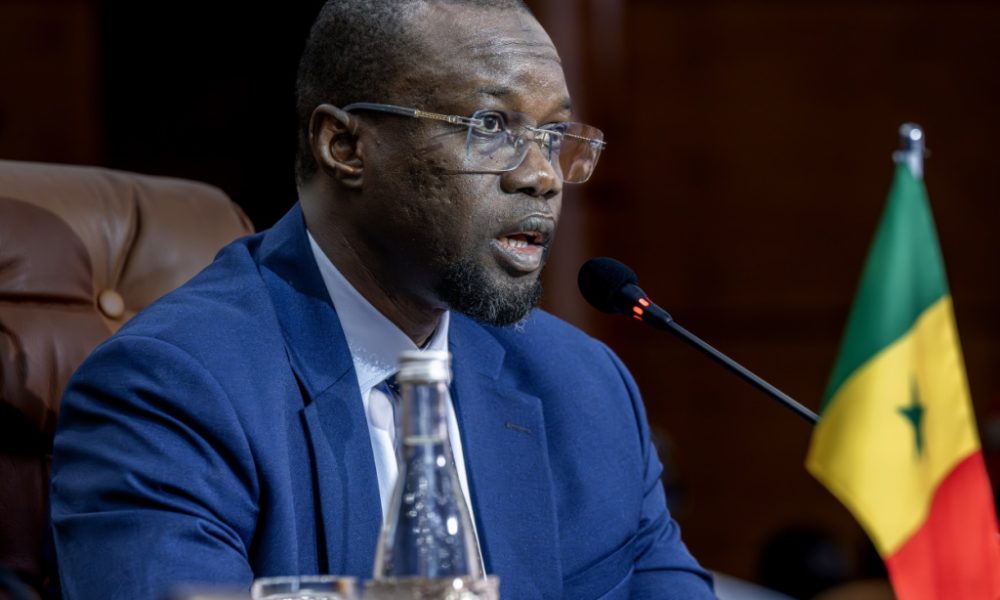
Amid these mounting security concerns, Benin’s President Romuald Wadagni has emerged as a vocal advocate for regional military collaboration. His recent state visits to Niamey and Ouagadougou signaled a shift toward pragmatic, cross-border security solutions. “In the face of an enemy that knows no borders, our armies cannot afford isolation,” Wadagni declared during a high-profile address, emphasizing the need for unified action.
The timing of the Sabcé attack has lent urgency to Wadagni’s proposal. His vision—a seamless integration of intelligence-sharing, joint military operations, and reciprocal pursuit rights—offers a stark contrast to the fragmented responses of the past. The attack serves as a grim validation of his argument: Burkina Faso cannot defeat terrorism alone, nor can any single nation in the Sahel.
Breaking barriers for a collective response
The JNIM and other armed factions have long exploited porous borders as sanctuaries and escape routes. To counter this, Wadagni’s initiative calls for real-time satellite intelligence sharing, coordinated border operations, and a unified front across the W National Park and adjacent ecological zones shared by Benin, Niger, and Burkina Faso.
This collaborative framework isn’t just theoretical; it’s a necessity. The militants’ ability to regroup and strike with impunity hinges on their ability to move freely across borders. A regional defense pact could dismantle these networks, but only if nations move beyond rhetoric and commit to action.
A pivotal moment for Sahelian security
The assault on Sabcé is more than another attack—it’s a wake-up call. Burkina Faso’s defenses, though resilient, are stretched to their limits. The path forward requires two critical steps: rethinking internal tactics and embracing the regional cooperation championed by Benin’s leadership.
The fate of Burkina Faso’s security doesn’t hinge solely on Sabcé’s outcome; it depends on whether neighboring states can forge a united front. The era of isolated strategies is over. The time for collective, coordinated action is now.