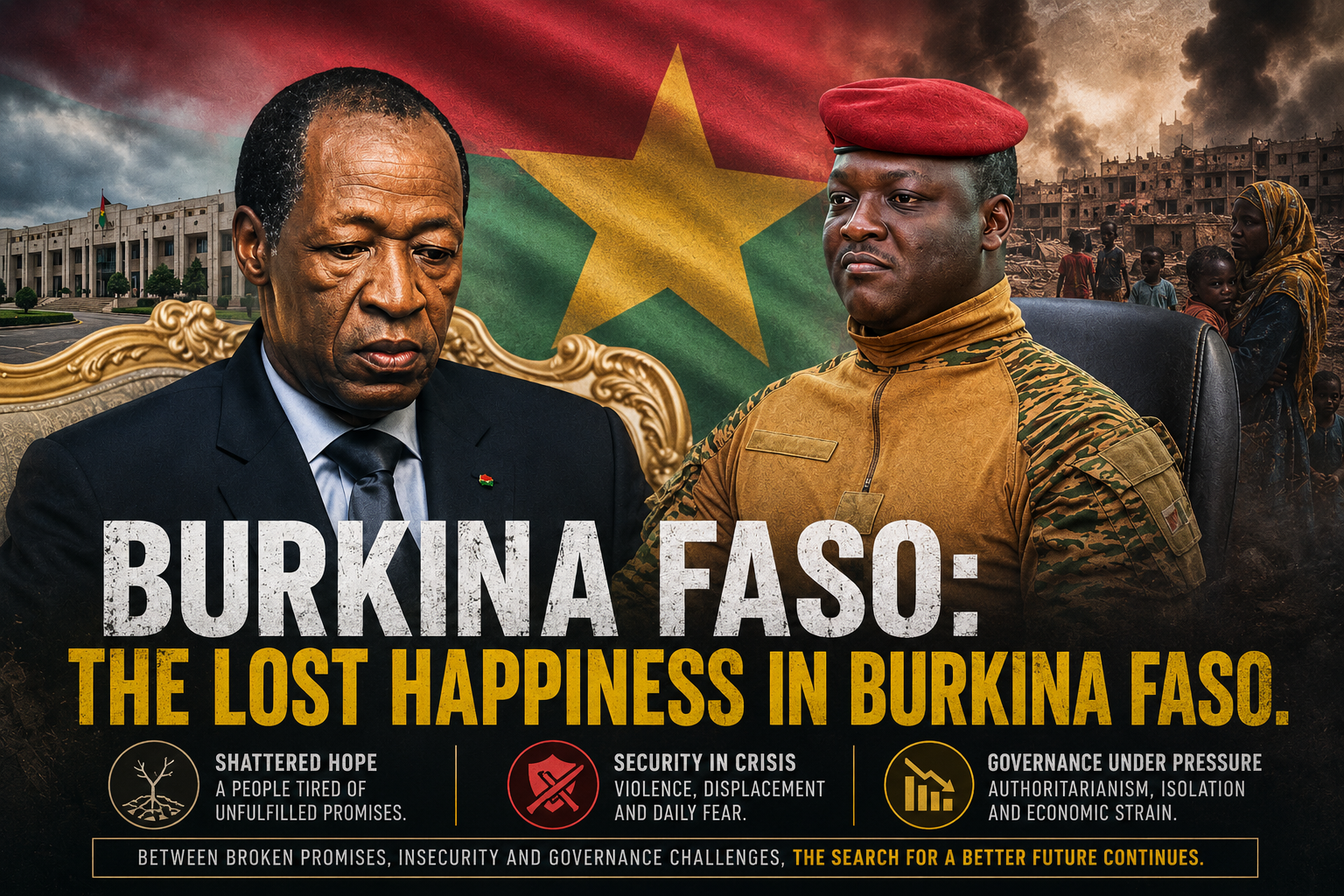
On June 26, 2026, Burkina Faso officially ended its diplomatic relationship with France. Ouagadougou authorities justified the move by accusing France of “neocolonialism,” meddling attempts, and alleged support for networks that could destabilize the country. While this announcement marks another step in the worsening of bilateral relations, it also reopens a fundamental debate: what does sovereignty truly mean?
Cutting ties with a former colonial power is a strong political gesture. Any independent state is free to take such a sovereign decision. But the real question is whether this rupture leads to genuine autonomy or merely shifts the country from one dependency to another.
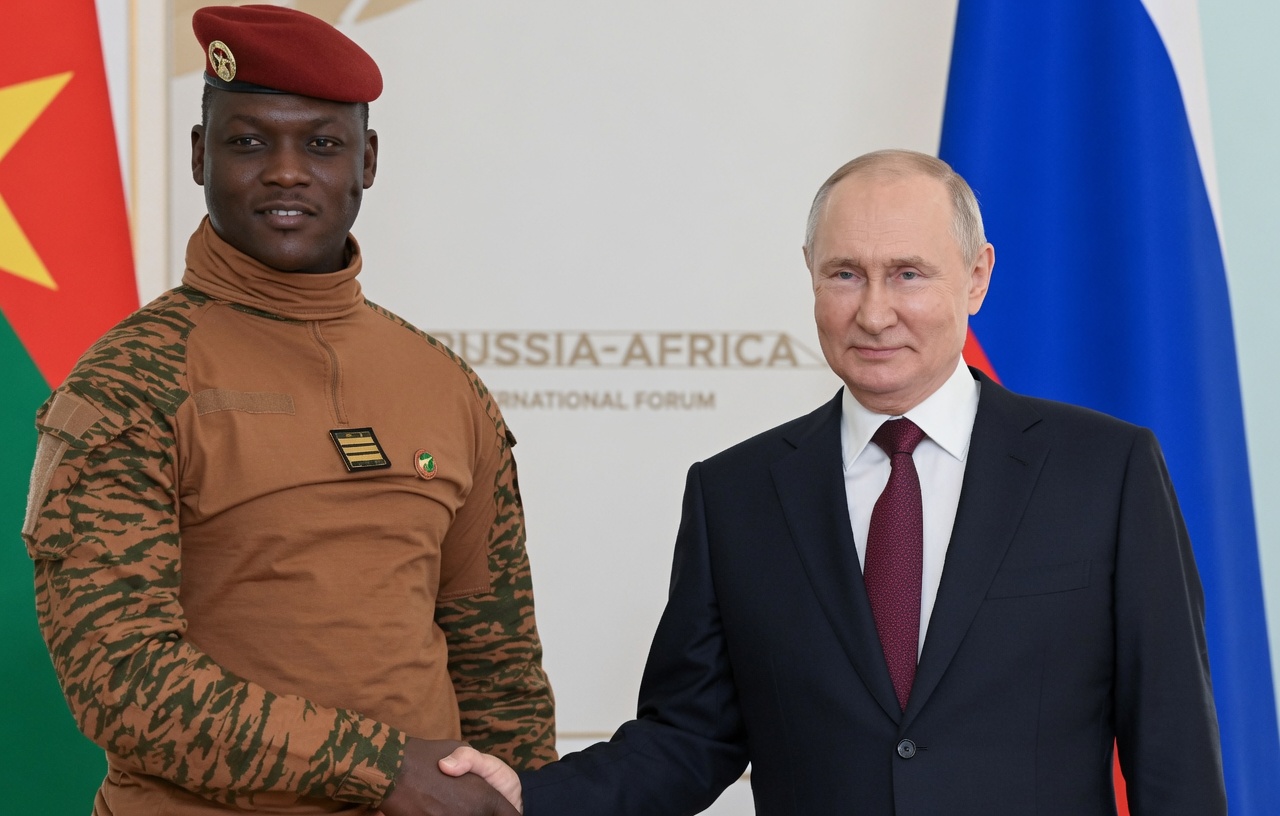
Since 2023, Burkina Faso has progressively deepened its ties with Russia, China, Turkey, and Iran. Militarily, partnerships with Moscow have intensified; economically, authorities are seeking new investors and markets. This strategy is often described as a “pivot toward a multipolar world.”
However, multipolarity does not automatically guarantee independence. True sovereignty is not just about changing international partners. It fundamentally requires that strategic decisions be made exclusively in the national interest, without political, military, economic, or ideological dependence on any foreign power—no matter which one.
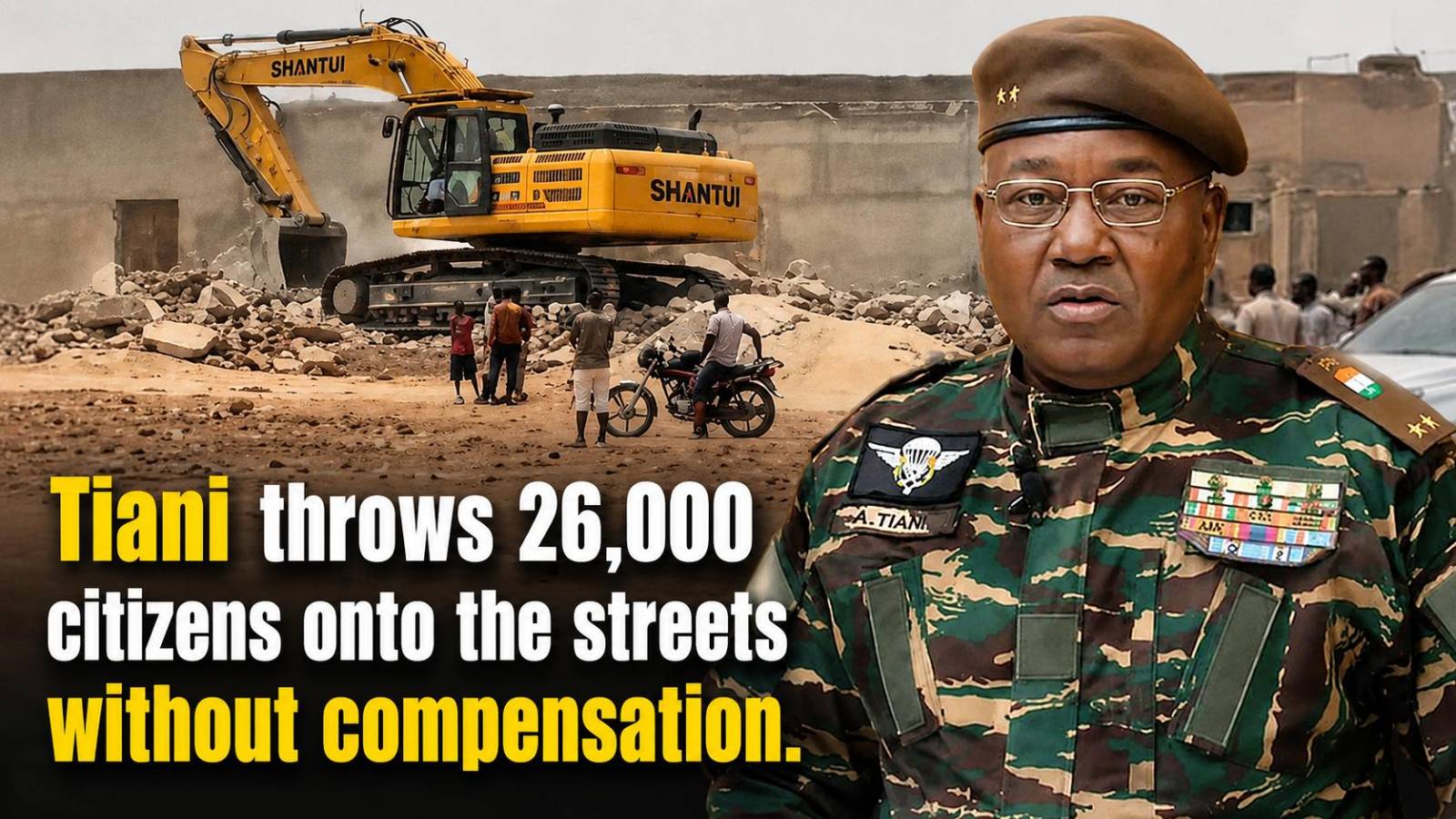
Another element catches observers’ attention. After Burkina Faso’s successive decisions, many are asking whether Mali and Niger—the two other members of the Alliance of Sahel States (AES)—will follow the same path in the coming weeks or months. Over the past few years, the three countries have shown increasingly strong political, diplomatic, and military convergence, particularly in their rapprochement with Russia.
If the other two AES states were to adopt similar measures, it would reinforce the perception of a common strategy. But it would also raise a legitimate question: are these choices the result of fully independent decisions by each country, or do they reflect a geopolitical orientation largely coordinated around the same strategic partner? To some analysts, seeing the three countries take identical steps in succession could give the impression that they are following a joint roadmap. This perception fuels a broader debate: does sovereignty consist of breaking free from one influence only to replace it with another?
In other words, breaking with Paris to become heavily dependent on Moscow, Beijing, or another partner does not necessarily mean achieving full sovereignty. It may simply represent a shift in the balance of influence. International history shows that great powers, whatever they are, primarily pursue their own geopolitical, economic, and strategic interests.
Burkina Faso’s challenge will therefore be to demonstrate that this rupture is not just about changing alliances, but that it comes with a real ability to finance its development, secure its territory, process its natural resources locally, strengthen its institutions, and conduct an independent foreign policy.
Sovereignty is not measured solely by the number of closed embassies or by speeches about breaking away. It is measured above all by a state’s capacity to freely decide its future, diversify its partnerships without falling under a new dominant influence, and prioritize the interests of its people over those of its allies.
The question thus remains: if one breaks with a power only to align closely with another, is it a break from dependency—or just a change of dependency? History teaches that a truly sovereign country does not replace one external control with another; it builds its own freedom to decide, regardless of its partners.