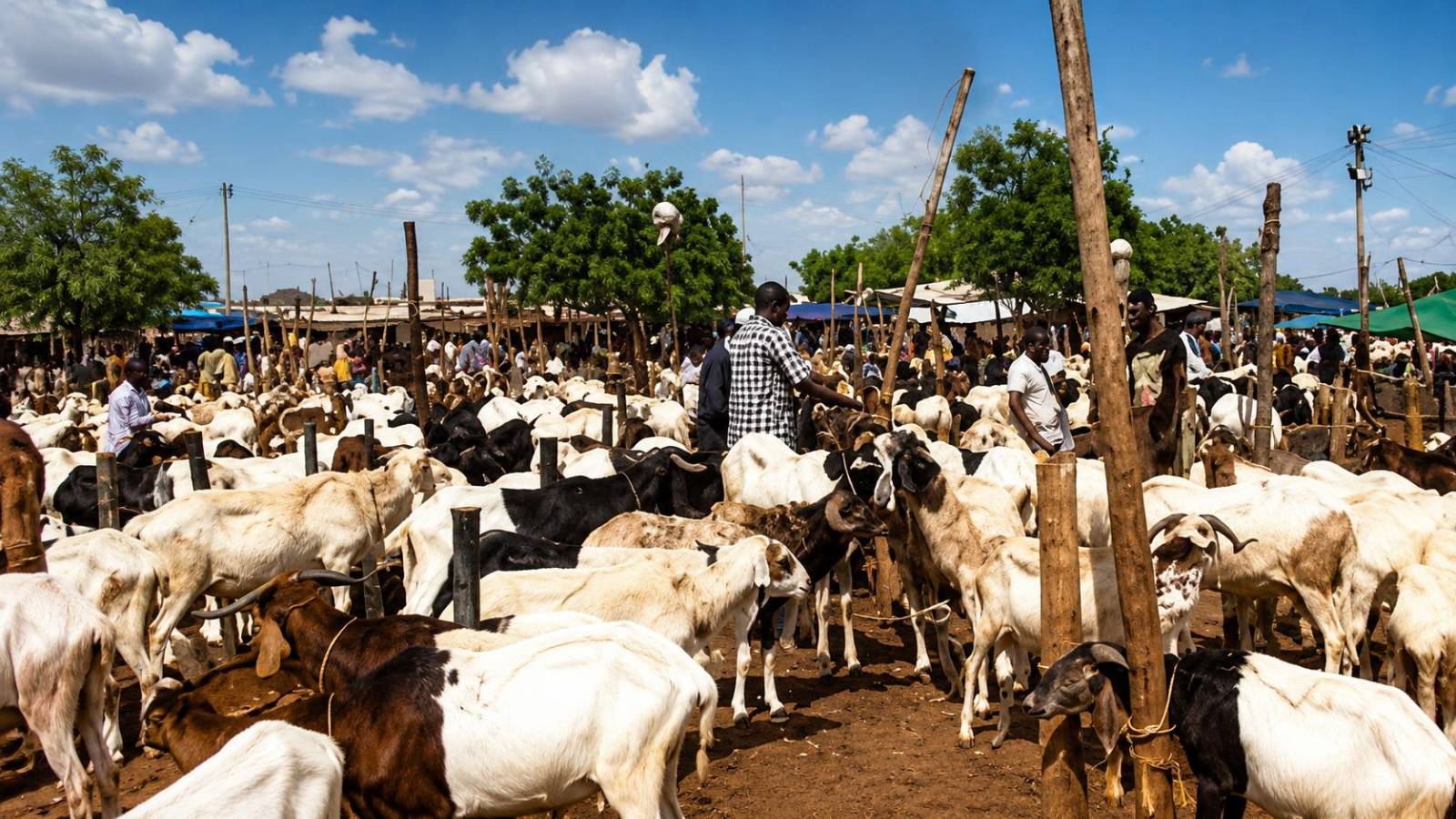
The Burkinabè government has thrown down the gauntlet by halting cattle exports just before Tabaski, prioritizing urban consumers over regional market dynamics. While the move aims to ease the financial burden on city dwellers, it carries stark contradictions and threatens economic fallout.
The urban-rural divide: lowering prices at what cost?
At face value, the decision appears altruistic—keeping livestock prices affordable for families in Ouagadougou and other urban centers. Yet the real losers are the rural herders, who already face mounting challenges: spiraling insecurity, rampant cattle theft, and shrinking grazing lands. By cutting off lucrative export markets in Côte d’Ivoire and Bénin, the state slashes income streams for a sector already teetering on collapse. In essence, the urban middle class celebrates Tabaski on the backs of those in the countryside.
Can Burkina Faso absorb its own cattle supply?
The logic behind the blockade seems straightforward: flood the domestic market to drive down prices. However, the Burkinabè market has finite capacity, and Tabaski is a one-time event. Once the celebrations end, what becomes of the unsold livestock?
Cattle are perishable assets requiring daily upkeep. Without buyers or export outlets, herders face financial suffocation as feed and care costs mount. While the government’s push for modern abattoirs is a forward-looking move, current infrastructure cannot handle a sudden glut. The result? A fragile sector pushed to the brink.
Regional repercussions: breaking trade ties in the name of sovereignty
By weaponizing cattle exports, Burkina Faso risks severing long-standing economic bonds with coastal neighbors. The move reveals Ouagadougou’s readiness to sacrifice regional solidarity for immediate gains, but trade cuts both ways. Côte d’Ivoire, for instance, has already pivoted toward alternatives like Mauritania. Over time, Burkina Faso may lose its foothold in markets it has supplied for decades.
This strategy underscores the fragility of regional integration. In the race for self-sufficiency, long-term trade agreements are sidelined. For herders, the economy, and political stability, the gamble carries grave risks. The question remains: can Burkina Faso afford to isolate itself from its natural partners?