With the Democratic Republic of the Congo (DRC) gripped by escalating political tensions, a delegation of opposition leaders and religious representatives has traveled to Bujumbura for high-stakes consultations. Among them are key figures from the Article 64 coalition for constitutional order (C64), along with leaders from the National Episcopal Conference of Congo (CENCO), the Church of Christ in Congo (ECC), and representatives of the religious platform including the Revival Churches.
Diplomatic gathering in Bujumbura addresses Congo’s deepening crisis
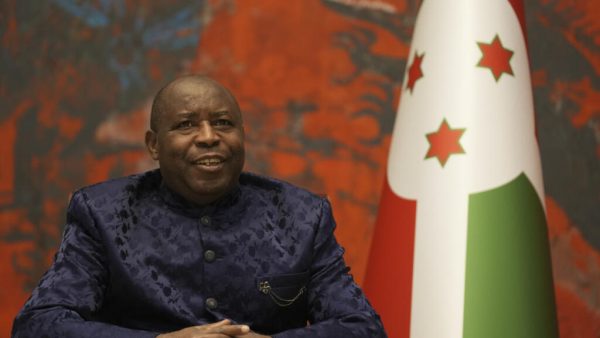
The meetings, convened by Burundian President Évariste Ndayishimiye—who also serves as chairperson of the African Union—aim to address the political, security, and institutional challenges facing the DRC. The initiative comes as the C64 coalition prepares to postpone its national march, originally slated for July 8, to July 22 in light of these ongoing discussions.
Religious and opposition voices unite in dialogue
The agenda includes separate sessions with religious leaders before a joint audience with the C64 leadership. A plenary meeting will then bring all parties together under the mediation of President Ndayishimiye. A critical condition set by the opposition coalition was to be received collectively—a demand that has been met.
« The presence of priests, pastors, and leaders like Ejiba Yamampia underscores the broad-based nature of these talks. The C64 coalition is fully engaged, and we insisted—and secured—an audience as a unified group. »
Delaying protest to prioritize dialogue
The decision to postpone the C64 march reflects a strategic shift toward diplomatic engagement. Opposition figures including Martin Fayulu, Moïse Katumbi, Jean-Marc Kabund, Delly Sesanga, and Augustin Matata Ponyo accepted the invitation from President Ndayishimiye « in a spirit of responsibility, » viewing it as an opportunity to advance the defense of constitutional order.
The coalition has emphasized its commitment to using this platform to voice the concerns of the Congolese people, highlighting perceived threats to democracy and national institutions. Their goal remains to present a clear and firm memorandum to President Félix Tshisekedi during the rescheduled march on July 22.
African Union champions dialogue over confrontation
This mediation follows President Ndayishimiye’s recent state visit to Kinshasa, where he and President Tshisekedi underscored the importance of preserving institutional stability and national unity amid persistent security challenges in eastern DRC. The African Union chair called on all Congolese stakeholders to embrace dialogue as a path forward, commending the government’s willingness to engage constructively.
As the consultations in Bujumbura conclude, all attention turns to July 22—the new date for the C64 march. The coalition’s mission remains unchanged: to uphold constitutional order and deliver a unified message to national leadership.