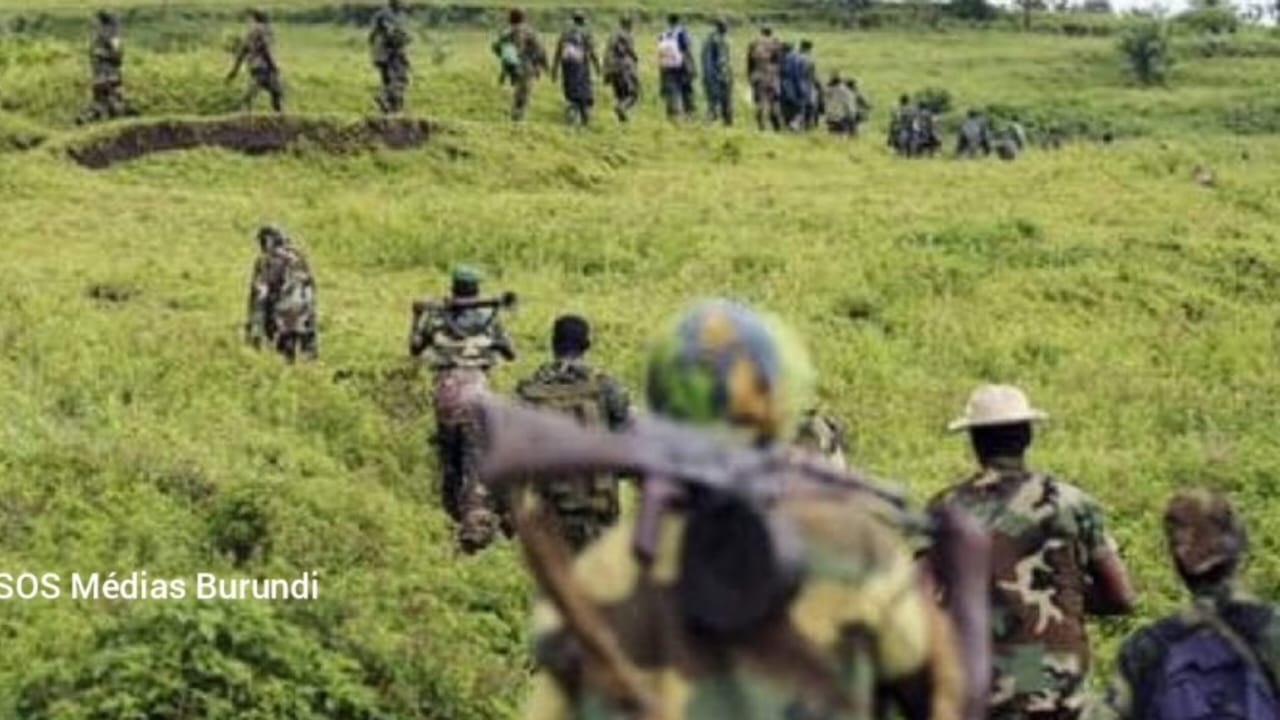
Minembwe — A major shift has unfolded in South Kivu’s highlands. The armed groups Twirwaneho and the M23/AFC-M23, both part of the Alliance Fleuve Congo (AFC-M23), jointly announced on July 6 that they have seized control of Point Zéro, a strategic military outpost in the Itombwe sector, Mwenga territory. This base had long served as a key stronghold for the Democratic Republic of the Congo’s Armed Forces (FARDC), Burundi’s National Defence Force (FDNB), and pro-government Wazalendo militias backed by Kinshasa. The highlands have been a flashpoint of recurring clashes for months, with no official response yet from the implicated forces.
In a statement attributed to Twirwaneho’s military spokesperson, Fidèle Rugabo, the groups claim they launched a coordinated assault on Point Zéro on July 4, sustaining intense combat for several hours before overcoming the position.
« Point Zéro is now under our control, » the communiqué declared, asserting that FARDC units, Burundian troops from the FDNB, and Wazalendo militias had withdrawn from the area.
Local residents in Minembwe describe a tense atmosphere, with many cautiously optimistic that the fall of Point Zéro could ease the relentless violence that has gripped the region for much of the year.
« We’ve endured months of relentless fighting. If this base has truly fallen, perhaps the attacks will finally ease, » shared one resident, requesting anonymity.
Expanding frontlines in the highlands
Intense fighting has also been reported along critical supply routes connecting Mikenge, Kalongi, and Rubemba, areas that have seen repeated clashes in recent weeks. While independent verification remains challenging, multiple sources indicate that FARDC and FDNB forces may have abandoned additional positions, including Mikenge, Kalongi, Rubemba, and Kakenge, retreating toward Mutambala, Mukera, and the neighboring Fizi territory.
A strategic pivot in South Kivu’s conflict
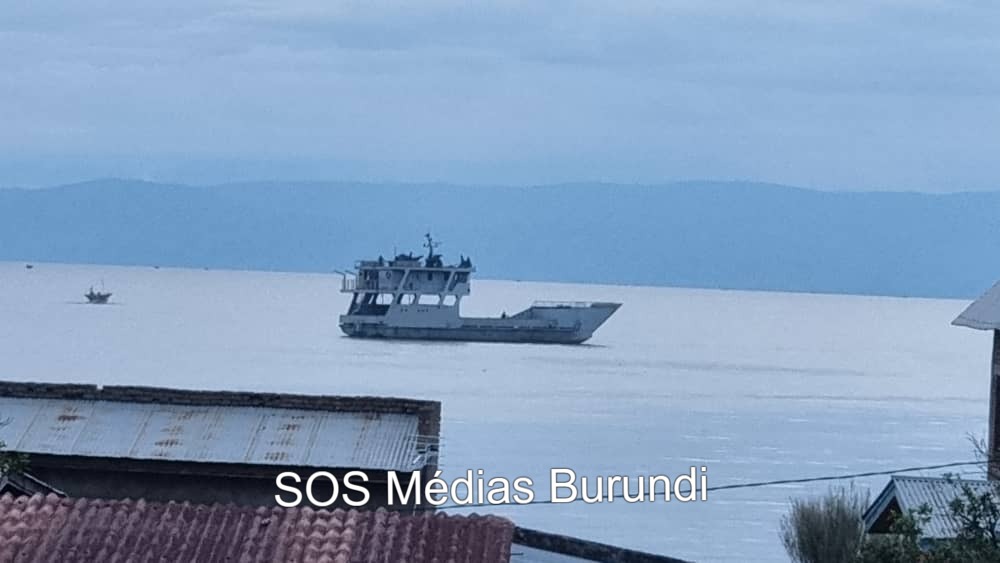
Nestled in the rugged Itombwe massif, Point Zéro commands control over vital corridors linking Minembwe, Mikenge, Mwenga, and Fizi. The area has become a central battleground in the escalating conflict between FARDC, Burundian forces, Wazalendo militias, and the Twirwaneho alliance operating alongside the AFC-M23 coalition. Since the M23/AFC-M23 withdrew from Uvira in January 2026, violence in the highlands has intensified, reshaping the military landscape.
Burundi’s military presence under regional accords
The deployment of Burundian troops in eastern DRC is governed by a bilateral security cooperation agreement between Gitega and Kinshasa. Both governments have publicly acknowledged this pact, which permits the FDNB’s presence on Congolese soil.
According to the Congolese Ministry of Interior and Security, over 29,000 Burundian soldiers were deployed in eastern DRC between August 2022 and December 2025. Initially deployed to counter Burundian rebel groups like RED-Tabara, the FDNB now participates in joint operations with FARDC against multiple armed factions active in the region. Recent months have seen troop movements across Mwenga, Fizi, and Uvira territories, coinciding with a surge in hostilities between government-aligned forces and armed groups.

Regional tensions and unresolved conflicts
The conflict in eastern DRC remains deeply intertwined with broader regional rivalries. Kinshasa has repeatedly accused Kigali of backing the M23/AFC-M23, a claim Rwanda denies. Meanwhile, Rwanda accuses FARDC of collaborating with the Democratic Forces for the Liberation of Rwanda (FDLR), a rebel group composed largely of former Hutu extremists linked to the 1994 genocide against Tutsis. Burundi has also accused Rwanda of supporting hostile armed factions operating in eastern DRC, while Kigali has criticized Gitega’s cooperation with the FDLR and other regional armed groups.
Diplomatic efforts fail to halt the violence
By Yacouba Boukari — Analyst
Related Posts
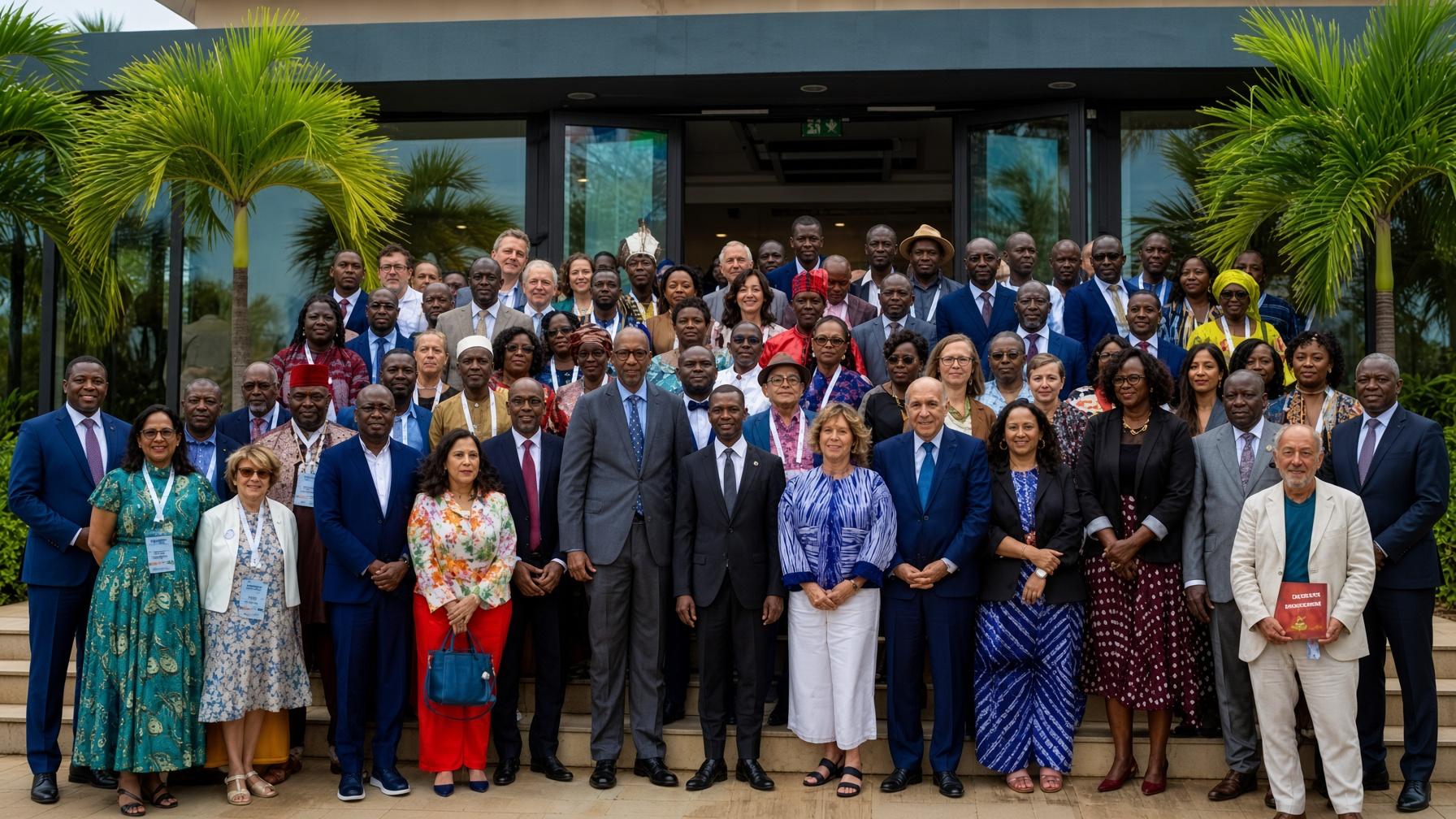
Cotonou’s civil society peace push: the fallout, the debate and what happens next
As the 16th ordinary plenary assembly of the Conference of International Non-Governmental Organisations (COING) of La Francophonie opened in Cotonou on 28 September 2026, the […]

Benin’s online tax expansion: how Parakou, Comè and Lokossa businesses will feel the shift from 21 September 2026
Benin’s online tax expansion: how Parakou, Comè and Lokossa businesses will feel the shift from 21 September 2026 Taxpayers registered with the small business tax […]
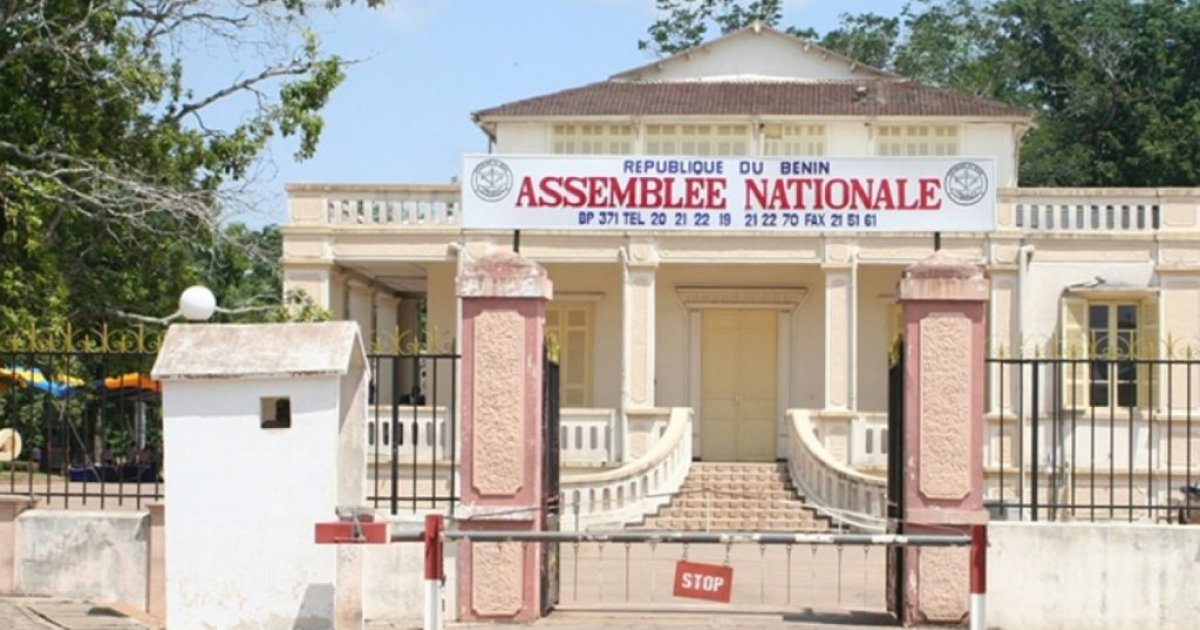
Benin national assembly examines key legislative reforms friday
Benin’s National Assembly tackles critical legislative reforms in Friday session Delegates from the 10th legislature of Benin’s National Assembly convened today, July 10, 2026, for […]