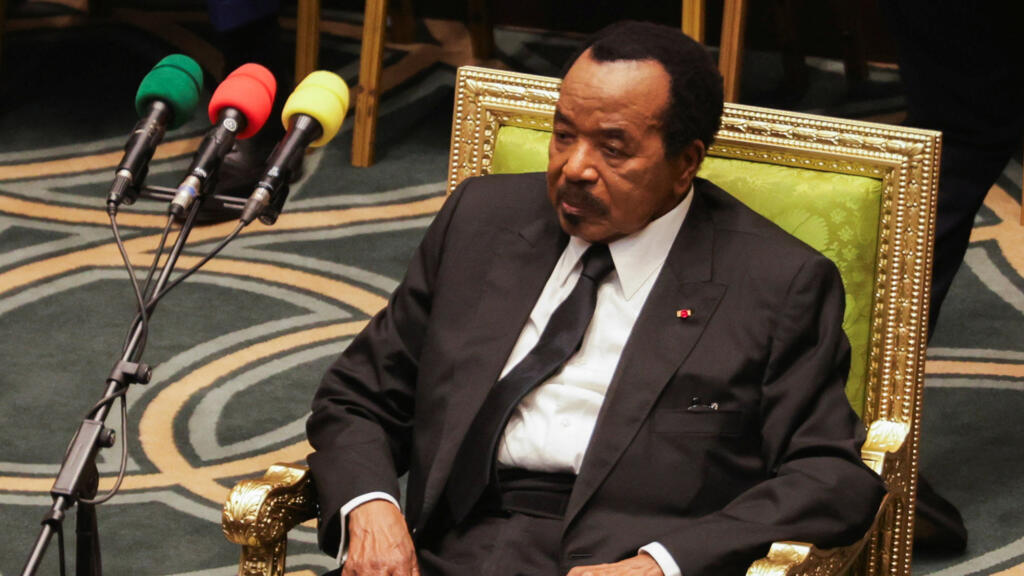
Cameroon: President Paul Biya reshuffles Supreme Judicial Council
The appointment of fourteen new members to Cameroon’s Supreme Judicial Council marks a significant step toward revitalizing the nation’s stalled judicial system. After nearly six years of inactivity, this strategic body—overseen by the Head of State—is finally set to resume operations, offering hope for renewed efficiency in the administration of justice.
These newly appointed figures, confirmed on June 2, will serve a five-year term, succeeding a mandate criticized for its prolonged dormancy. The judicial landscape in Cameroon has suffered severe setbacks, including frozen promotions for hundreds of judges-in-training and blocked career advancements for sitting magistrates. Restoring the Council’s functionality is expected to unblock these critical processes and restore momentum to the justice sector.
What lies ahead for Cameroon’s judiciary?
The prolonged paralysis of the Supreme Judicial Council has left deep scars on the country’s legal framework. Hundreds of judges have remained in limbo since completing their training, unable to assume their roles. Similarly, appointments to key judicial positions—both within the bench and the prosecution—have ground to a halt, crippling career progression and operational continuity.
Beyond these immediate challenges, political observers suggest that these appointments could signal a broader wave of reshuffles. The long-awaited formation of a new government—six months after its announcement—and the still-vacant office of Vice-President may soon see progress, following the precedent set by this judicial overhaul.
Related Posts
Drc opposition escalates constitutional battle with ‘dead city’ claims and legal action
The Democratic Republic of Congo (DRC) is witnessing a significant escalation in the constitutional revision dispute, now taking a decisive judicial turn. On June 4, […]
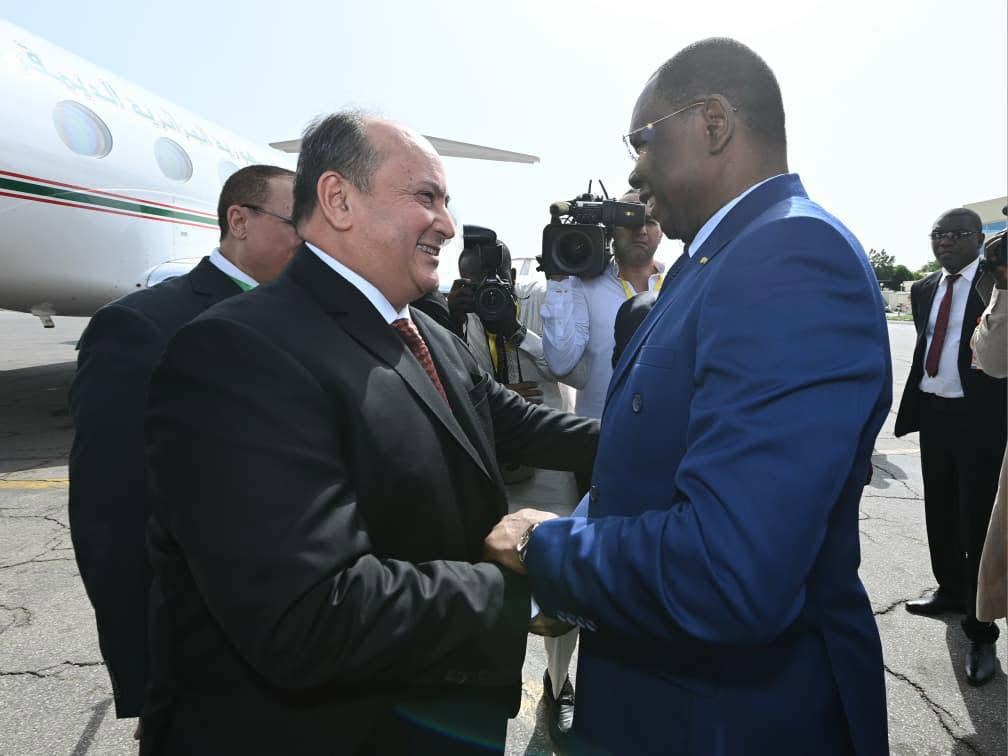
Algerian prime minister begins official visit to Chad to bolster ties
Prime Minister Sifi Ghrieb, mandated by President Abdelmadjid Tebboune, began an official visit to Chad this Monday. This trip aims to strengthen fraternal bonds and […]
Mali offers reward to capture jihadist and rebel leaders
The Malian authorities have escalated their counterterrorism strategy, unveiling a bold financial incentive program aimed at dismantling armed groups threatening the nation’s stability. Through a […]