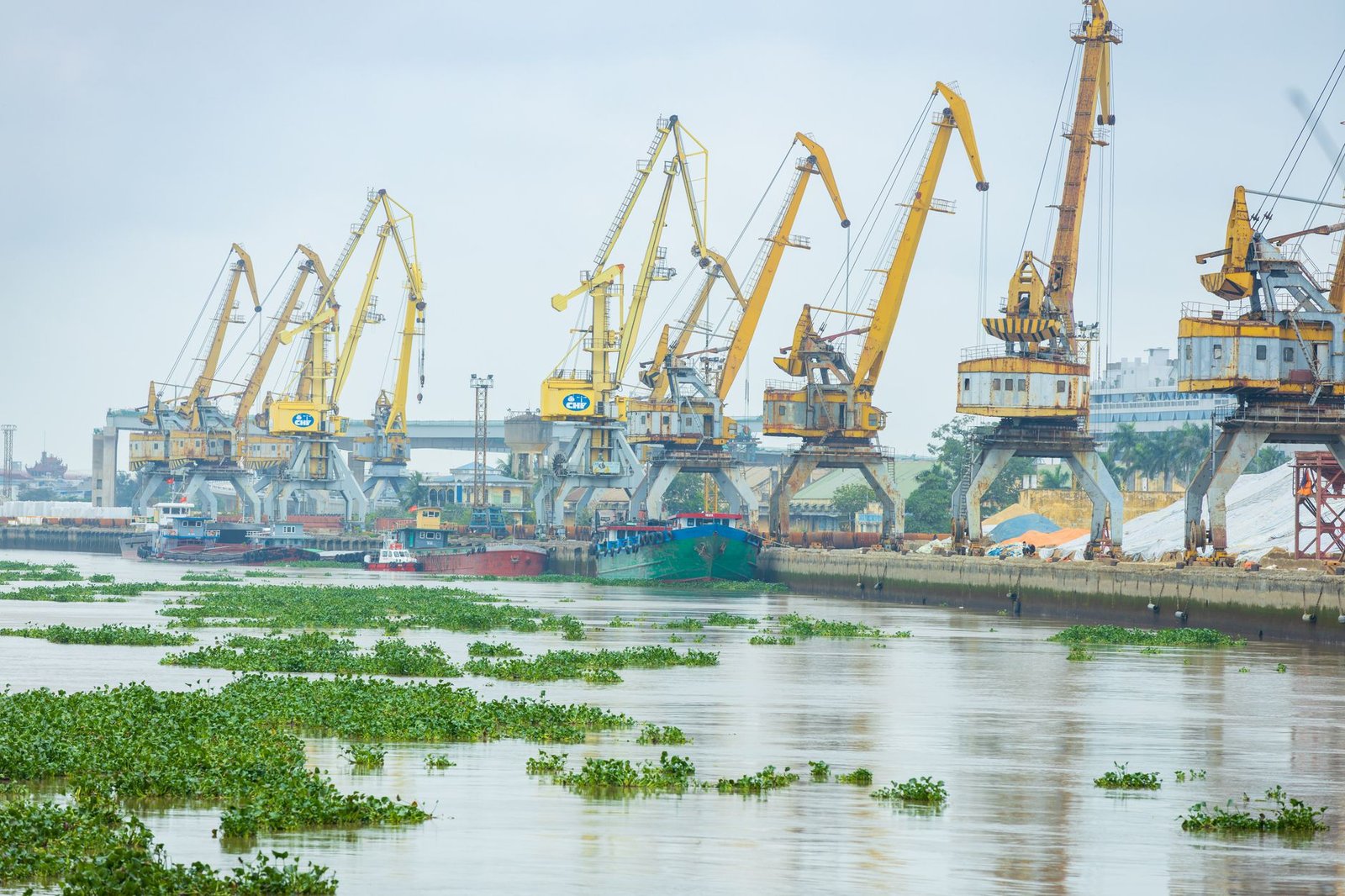
Cameroon has significantly reduced import duties on European goods as part of its Economic Partnership Agreement (APE) commitments with the European Union and the United Kingdom. Announced by Finance Minister Louis Paul Motazé, the latest tariff cuts target the third category of strategic products, including utility vehicles, fuels, cements, paints, and industrial packaging. The phased approach involves a 10% annual reduction until complete duty elimination by 2030.
This new reduction follows earlier exemptions for the first two product groups. Since August 4, 2023, goods such as plasters, clinkers, trucks, trailers, and generators enter Cameroon duty-free. Similarly, pharmaceuticals, fertilizers, agricultural chemicals, computers, and tractors have enjoyed the same exemption since August 4, 2019.
Fiscal impact remains manageable for Cameroon
Despite initial concerns over potential revenue losses, the APE agreement has not triggered the expected fiscal shock. Official data shows cumulative customs revenue losses of approximately 103 billion FCFA over a decade, averaging just over 10 billion FCFA annually. While substantial, this figure remains within sustainable limits given the country’s broader economic trajectory.
Counterintuitively, Cameroon’s total customs revenue crossed the 1,000 billion FCFA threshold for the first time in 2023. This growth, occurring alongside declining European import tariffs, stems from a strategic shift in trade partnerships. Diversification toward Asian markets, particularly China, has offset revenue erosion from European imports through expanded trade volumes.
China emerges as unexpected beneficiary of APE
The trade dynamics reveal a surprising outcome: China has become Cameroon’s top trading partner despite the preferential tariffs granted to European exporters. Since 2013, China has held both the largest export market and import source for Cameroon, with its influence continuing to grow. The 2024 Competitiveness Report from Cameroon’s Ministry of Economy quantifies this shift clearly.
Between 2016 and 2024, China’s market share in machinery and equipment imports surged from 23.8% to 52.5%, a gain of 28.7 percentage points. During the same period, the European Union’s share declined from 50.1% to 29.3% in 2023, though partially recovering to 32.3% in 2024. This 20-point drop raises questions about the effectiveness of tariff preferences for European industries against aggressive Chinese pricing strategies.
Benefits concentrated among few major players
An analysis of APE beneficiaries highlights structural imbalances in the agreement’s implementation. As of December 31, 2023, fewer than 5% of the 1,021 companies utilizing APE preferential tariffs captured approximately 75% of the total fiscal benefits. The disparity extends to business size, with large enterprises claiming 80% of the advantages, leaving just 20% for small and medium-sized businesses. This imbalance reflects both Cameroon’s formal import structure and the varying capacities of businesses to navigate complex customs procedures.
The Competitiveness Committee notes that « an analysis of the top 50 companies using APE preferential tariffs reveals a dominance of industrial and commercial sectors ». With full EU tariff elimination scheduled for 2030, Cameroonian authorities face a critical decision: balancing historical European trade ties against an economic reality increasingly shaped by China’s dominance. This restructuring is already fueling discussions about potential revisions to the agreement.