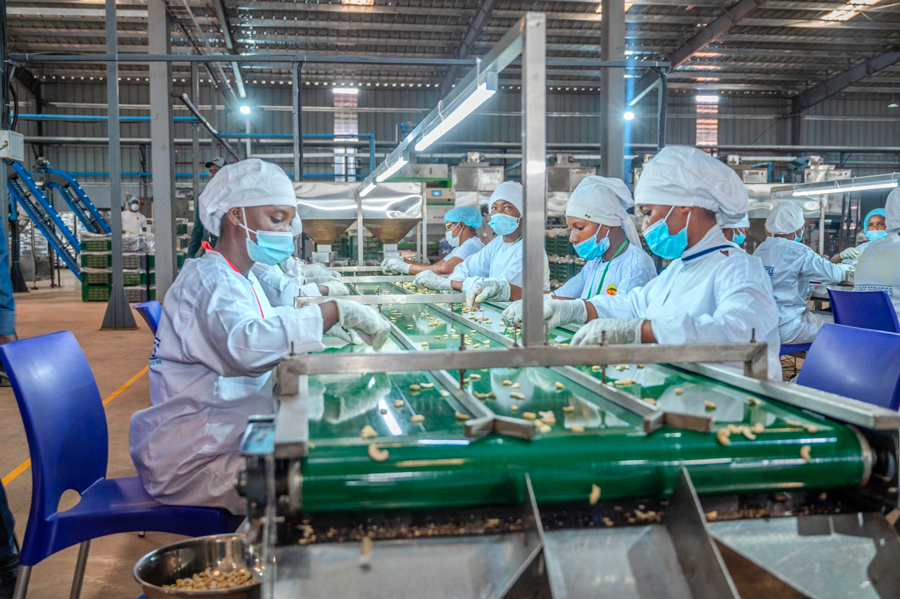
The Groupement des transformateurs de cajou ivoiriens (GTCI)—representing Ivorian processors handling 100,000 metric tons of raw cashews annually—has welcomed a landmark financing agreement finalized on June 11, 2026. The accord, signed between the Banque nationale d’investissement (BNI), the Conseil du Coton et de l’Anacarde (CCA), and local processors, marks a pivotal step toward stabilizing raw cashew supplies for Ivory Coast’s industrial sector.
Local transformation takes center stage
Ivorian cashew processors have long championed local transformation, investing heavily in factory construction and operational expansion. This commitment has driven the sector’s growth, fostering industrialization, value addition, and economic resilience. Yet, securing consistent raw material flows and short-term financing has remained a persistent challenge—one that this new tripartite agreement directly addresses.
In a formal letter dated July 17, 2026, addressed to Ivory Coast’s highest authorities including the Office of the President, Vice President, Prime Minister Robert Beugré Mambé, and key ministers, GTCI President Denis Kouadio highlighted the transformative impact of this financing mechanism. The agreement ensures processors can acquire raw cashews efficiently, even during peak commercialization seasons, without liquidity bottlenecks.
A game-changer for cashew processing
Under this arrangement, the CCA guarantees early-season access to 20% of each processor’s raw cashew needs. The BNI steps in to finance the remaining 80%, covering working capital for both industrial operations and export logistics. This structure not only stabilizes supply chains but also unlocks critical liquidity for processors to scale production year-round.
The initiative has drawn praise from key architects behind its implementation. Téné Birahima Ouattara, Vice Prime Minister, alongside ministers Khalil Konaté (Trade and Industry) and Adama Coulibaly (Economy and Finance), alongside Mamadou Berté (CCA Director-General) and Youssouf Fadika/Jérôme Ahua (BNI leadership), have been credited for crafting this innovative financing model. Their collaboration underscores a broader push to nurture homegrown industrial champions in the cashew value chain.
Expanding horizons: lessons for cocoa transformation
With this program’s success, discussions are already underway to replicate its framework for Ivory Coast’s cocoa sector. By extending similar financing structures, authorities aim to further enhance local processing, retain more value within national borders, and create additional jobs in the industrial ecosystem.
Ivory Coast’s cashew sector by the numbers
As the world’s top raw cashew producer—with annual output nearing 1.5 million metric tons—Ivory Coast boasts 37 processing plants with a combined capacity exceeding 830,000 metric tons. The country ranks second globally in cashew kernel exports and third in processing capacity (ITC, 2025), yet local transformation currently stands at 43%. The new financing deal seeks to push this figure higher, aligning with national goals of industrial deepening and economic diversification.
Having conquered raw cashew production challenges, Ivory Coast is now doubling down on local transformation. The strategy prioritizes value retention, industrial consolidation, and job creation, ensuring the sector’s long-term competitiveness on the global stage.