
Cameroon’s federalism debate: a path to unity or division?
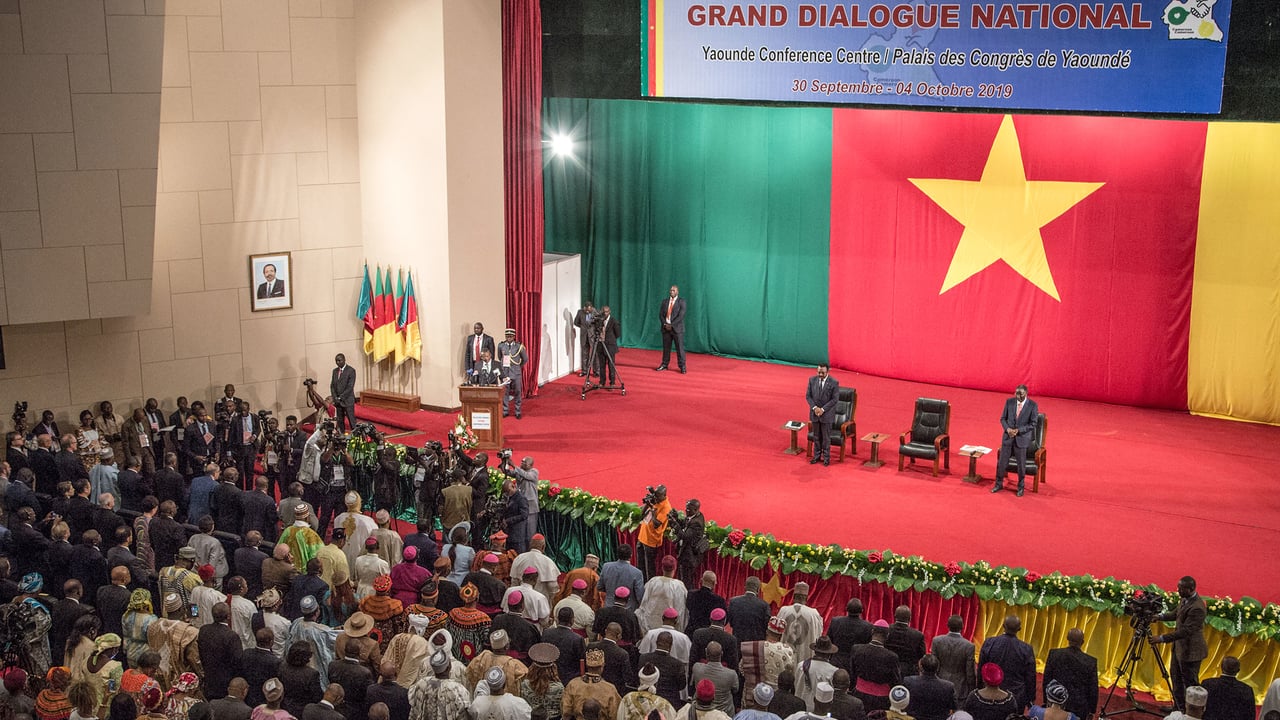
The question of whether Cameroon can revert to a federal system has resurfaced amid ongoing tensions in its anglophone regions. The national dialogue initiated in 2019 aimed to resolve the separatist crisis gripping the Northwest and Southwest regions, but the absence of pivotal rebel figures has left the process at a standstill.
The federalism debate is not new to Cameroon, a country with a complex colonial history and a legacy of centralized governance. Advocates argue that a federal structure could better accommodate the country’s diverse linguistic and cultural identities, fostering greater unity. Critics, however, warn of potential fragmentation and instability.
Historical roots of Cameroon’s governance model
Cameroon’s political landscape has been shaped by its colonial past. After gaining independence from France and Britain in 1961, the country unified under a unitary system, blending French and British colonial legacies. This centralized approach has remained largely unchanged, despite calls for decentralization and federalism from anglophone communities.
The 1972 referendum, which abolished the federal system established at independence, marked a turning point. Since then, debates about federalism have periodically flared up, particularly in anglophone regions, where many feel marginalized under the current system.
Challenges in reviving federalism
The 2019 national dialogue, led by Prime Minister Joseph Dion Ngute, was intended to address these grievances. However, the refusal of key separatist leaders to participate derailed the process. The crisis has since deepened, with ongoing violence and displacement in the anglophone regions.
Reintroducing federalism would require constitutional amendments and broad political consensus. President Paul Biya, in power since 1982, has yet to endorse such changes, leaving the future of federalism uncertain. Meanwhile, anglophone activists continue to push for greater autonomy, seeing federalism as a solution to their marginalization.
Potential benefits of a federal system
Proponents of federalism argue that it could provide anglophone regions with greater control over education, legal systems, and local governance. This, they believe, would reduce grievances and foster a more inclusive national identity. A federal structure could also enhance economic development by allowing regions to tailor policies to their unique needs.
Supporters point to successful federal systems in other African nations as evidence of its viability. Nigeria, with its 36 states and complex federal structure, has managed to maintain unity despite diverse ethnic and cultural groups. Could Cameroon follow a similar path?
Risks and obstacles ahead
Opponents of federalism caution that it could exacerbate ethnic and regional divisions, leading to instability. They argue that Cameroon’s centralized system, while flawed, has maintained national cohesion. The fear of secessionist movements gaining momentum under a federal framework looms large.
Economic disparities between regions could also widen under a federal system. Critics warn that anglophone regions, which are already economically disadvantaged, might struggle to compete without federal support. The lack of infrastructure and investment in these areas further complicates the debate.
Public opinion and political will
The federalism debate extends beyond political circles, with public opinion deeply divided. While anglophone communities overwhelmingly support federalism, many francophone regions remain skeptical. The challenge for policymakers is to bridge this divide and find a solution that addresses the grievances of all Cameroonians.
Political will is another critical factor. President Biya’s government has shown little inclination toward federalism, preferring incremental reforms. However, with the crisis in anglophone regions showing no signs of abating, the pressure for change is mounting.
Looking ahead: is federalism viable for Cameroon?
The path to federalism in Cameroon is fraught with challenges. It would require bold leadership, inclusive dialogue, and a willingness to compromise. While federalism offers potential benefits, the risks of instability and division cannot be ignored.
As the country grapples with its identity and governance model, one thing is clear: the status quo is unsustainable. Whether federalism is the answer remains an open question, but the debate itself highlights the urgent need for reform in Cameroon’s political landscape.