Democratic Republic of Congo and M23 rebels map out peace negotiations framework
The government of the Democratic Republic of Congo and the M23 rebel group, widely believed to be backed by Rwanda, have reached a critical milestone in their pursuit of peace. After five intensive days of discussions in Switzerland, both parties announced a shared commitment to advancing negotiations toward a comprehensive peace settlement and establishing a ceasefire monitoring system.
According to a joint statement released at the conclusion of the talks, the parties agreed to “continue negotiations aimed at achieving lasting peace and resolving the conflict.” The framework outlines a structured timeline for future discussions, aligning with the peace accord brokered by the United States in 2025—despite persistent armed clashes in eastern DRC, an area plagued by decades of instability.
Key obstacles remain despite progress
While the agreement marks a significant step forward, several contentious issues continue to divide the parties. Disagreements persist over sanctions targeting the M23, the release of detainees, and the scheduling of political reforms. These unresolved matters threaten to complicate the implementation of the Doha Framework Agreement of 2025, which serves as the foundation for the current peace process.
The latest round of negotiations brought together the M23, the DRC government, Qatar, the United States, Togo, the African Union Commission, and Switzerland as host nation. The communiqué emphasized that the parties “agreed to establish a mechanism to review progress and address challenges in fulfilling the obligations and commitments outlined in the Doha Agreement.”
Structured timelines and ceasefire monitoring
The framework includes “clear steps and deadlines” while encouraging flexibility and innovation in the negotiation process. Additionally, the parties committed to deploying a ceasefire monitoring mechanism. This system, now operational, will begin verification missions on Monday in Minembwe, South Kivu—a region heavily affected by ongoing violence.
The DRC conflict has deep roots in regional tensions, particularly between Kinshasa and Kigali. Rwanda has repeatedly accused the DRC of failing to dismantle the Democratic Forces for the Liberation of Rwanda (FDLR), a militant group Rwanda considers a direct security threat. The DRC, in turn, denies supporting the FDLR and accuses Rwanda of arming and funding the M23.
Humanitarian crisis and resource-rich region
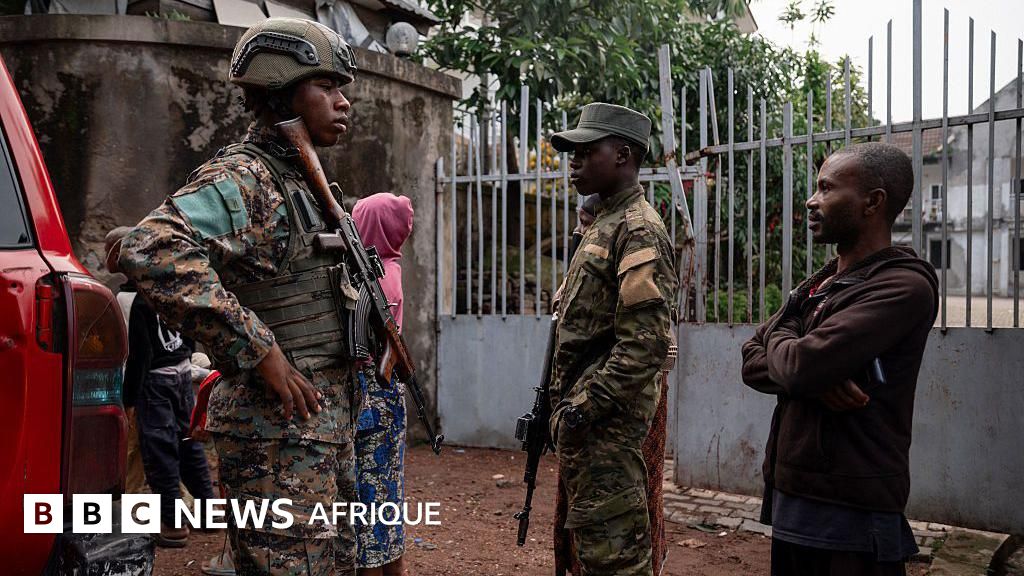
Since January 2025, the conflict has escalated dramatically, with the M23 seizing control of parts of eastern DRC, including the strategic city of Goma and two airports. The violence has displaced hundreds of thousands of civilians and resulted in thousands of deaths over the years. Eastern DRC is rich in coltan and other minerals critical to global electronics industries, making it a focal point of economic and geopolitical interests.
Rwanda has consistently denied backing the M23, asserting that its military presence in the region is purely defensive and aimed at countering threats posed by other armed factions. Despite mounting evidence suggesting otherwise, Kigali maintains its stance, further complicating efforts to de-escalate tensions.