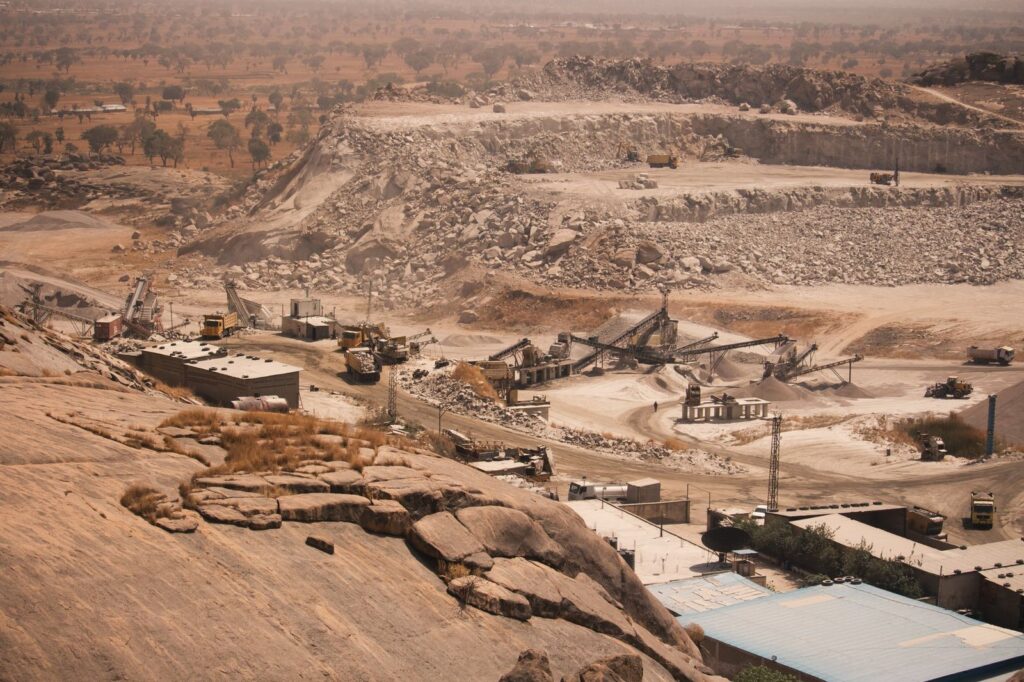
The Cameroonian artisanal mining sector is experiencing significant upheaval as the National Mining Company (SONAMINES), the state body overseeing gold and diamond trade, has temporarily halted the issuance and renewal of permits for purchasing offices. This abrupt measure has sparked sharp criticism from the National Union of Diamond, Gold, and Artisanal Mining Promoters of Cameroon (SYNAPROBADIOCAM), whose leader is urgently calling for administrative procedures to resume.
Ousmanou Aladji Hamadou, head of SYNAPROBADIOCAM, highlights the plight of nearly 200 purchasing offices left in legal limbo due to the permit freeze. Without valid permits, these businesses cannot operate officially, pushing operators toward informal channels and exacerbating the already rampant smuggling of precious metals mined within Cameroon’s borders.
Administrative freeze yields unintended consequences
The suspension, intended to tighten oversight of an already vulnerable artisanal mining sector, has instead created a vacuum. With no official channels available, gold extracted by artisanal miners is increasingly slipping into informal trade networks, evading both mining taxes and official production records. The union estimates that hundreds of operators—both established and aspiring—are affected, forced into inaction or forced to operate outside the law.
The financial toll on Cameroon’s Treasury is difficult to quantify, but the loss of potential revenue is compounded by the erosion of the state’s traceability system, a priority for authorities in Yaoundé. Cameroon is far from alone in this struggle; neighboring Central African nations, from Congo to the Central African Republic, face similar challenges in regulating artisanal gold flows and preventing cross-border smuggling driven by tax disparities and regulatory loopholes.
SONAMINES under fire for its regulatory role
Established to streamline mining governance and centralize the trade of precious metals, SONAMINES holds a pivotal position in Cameroon’s mining architecture. Its mandate includes securing the state’s preemption rights over gold and diamonds while managing relationships with private purchasing offices. However, the recent suspension of permits has placed the state-run company at the center of controversy.
For SYNAPROBADIOCAM, the freeze is a double-edged sword. It not only cripples the operational capacity of purchasing offices but also leaves artisanal miners in regions like the East, Adamawa, and North without viable outlets for their output. With no official buyers available, miners are left with little choice but to sell to informal, often foreign, buyers who export the gold without contributing to Cameroon’s fiscal coffers.
Balancing formalization and informality in Cameroon’s gold sector
The union is urging structured dialogue with mining authorities and SONAMINES to resume permit issuance under clearer guidelines while establishing a control mechanism that does not stifle legitimate operators. SYNAPROBADIOCAM emphasizes the economic potential of formalizing 200 purchasing offices, which could serve as fiscal entry points and enhance traceability across the sector.
The issue extends beyond corporate interests, touching on Cameroon’s broader economic strategy. As the country seeks to diversify its extractive economy—historically dominated by hydrocarbons—properly regulated artisanal gold mining could become a significant contributor to public revenue and a source of rural employment.
The path forward remains uncertain. Will SONAMINES lift the freeze conditionally, or will it further tighten permit criteria? Either way, the credibility of Cameroon’s national marketing system hinges on the government’s ability to balance regulatory rigor with operational efficiency to prevent the continued hemorrhage of gold through informal channels.




More Stories
Mali’s Wagner successor Africa Corps drains $850M from fragile budget amid shifting power dynamics
Behind the Molodo ambush: how Mali’s junta’s Russian gamble unraveled
Russia’s 2026 parliamentary vote: a landslide masked by a locked political arena