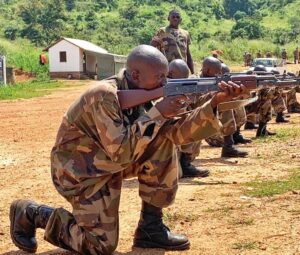
In a move raising fresh concerns over security dynamics in the Central African Republic, a reported mass enlistment drive is underway in the northern city of Ndélé. Local observers confirm that the Russian-linked Wagner Group has initiated a recruitment campaign targeting 1,000 young men, with operations concentrated in the region’s most vulnerable districts.
The initiative, described as systematic and well-organized, involves door-to-door outreach in neighborhoods known for limited economic opportunities. Community leaders in Ndélé have expressed alarm, noting that the sudden influx of offers—often accompanied by financial incentives—appears designed to capitalize on high unemployment rates among young adults.
How the recruitment operation is unfolding
Witnesses report that Wagner-affiliated agents have been conducting targeted sessions in schools, markets, and public squares. Participants are reportedly provided with registration forms and briefings on expected duties, which local sources describe as involving both security-related tasks and logistical support roles. The selection process includes preliminary interviews and physical assessments, with successful candidates reportedly receiving immediate compensation.
Reactions from civil society and authorities
Civil society organizations in Ndélé have condemned the operation, labeling it exploitative and warning of long-term destabilization risks. A local youth leader stated, “These tactics prey on desperation. While jobs are scarce, the consequences of aligning with armed groups could be devastating for individuals and the broader community.”
Central African officials have yet to issue an official response, though security analysts suggest the move may reflect broader shifts in regional military alliances. The Wagner Group’s expanding footprint in the Central African Republic has been a recurring subject of international scrutiny, particularly regarding its involvement in mining sectors and counter-insurgency efforts.
What’s next for Ndélé’s youth?
With recruitment ongoing, families in Ndélé face difficult choices. Some view the offers as temporary economic relief, while others warn of coercion and loss of autonomy. As the campaign intensifies, the coming weeks will reveal whether the enlistment drive stabilizes local communities—or deepens existing vulnerabilities.