Chad’s Public Security Minister urges unified action against intercommunal conflicts
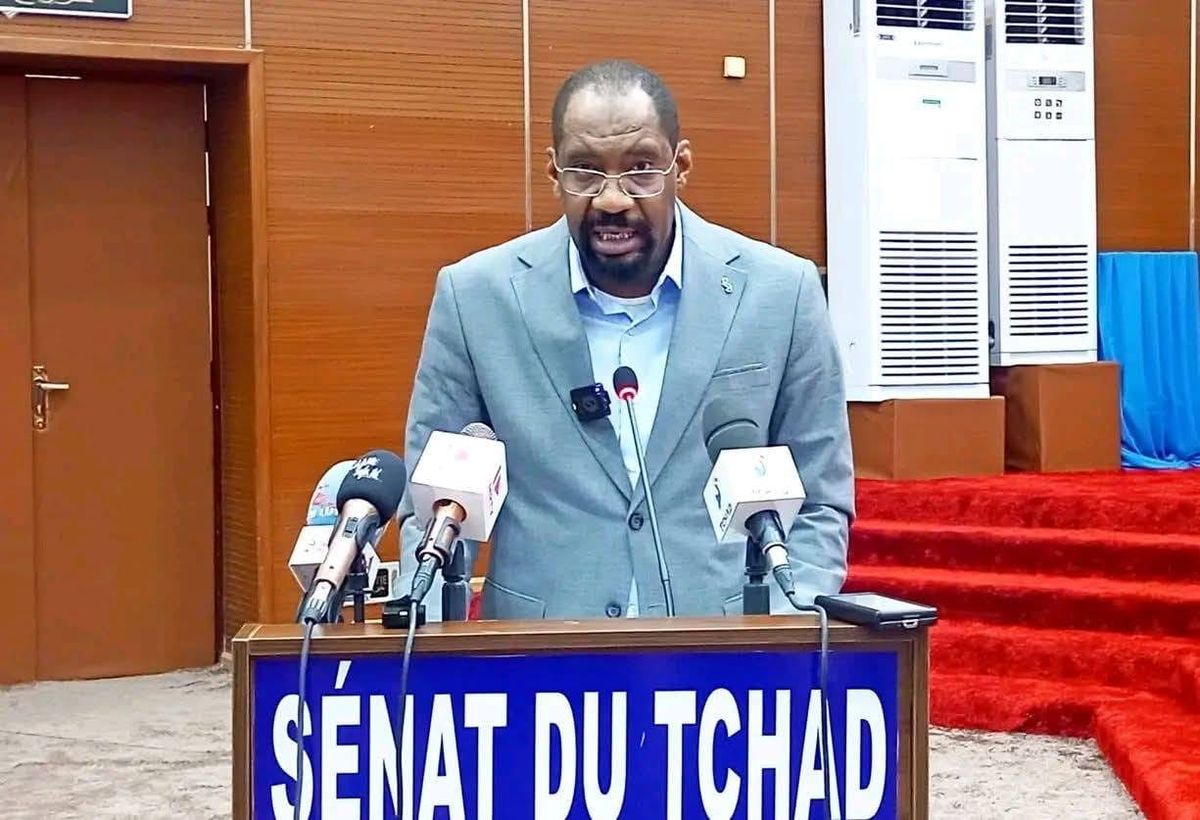
N’Djamena, Chad — In a decisive move to address rising intercommunal tensions, Chad’s Minister of Public Security and Immigration, General Ali Ahmat Aghabache, has called for a comprehensive, multi-stakeholder approach to restore peace and social cohesion across the nation.
The High Chamber of Parliament convened a critical plenary session to examine pressing security challenges affecting communities nationwide. Under the leadership of Senate President Dr. Haroun Kabadi, senators scrutinized the surge in intercommunal violence and the government’s strategies to bolster internal security and stability.
During the session, legislators raised concerns about the escalating insecurity in several regions, emphasizing the urgent need to:
- Strengthen state presence in conflict-prone areas
- Enhance early warning and conflict prevention mechanisms
- Upgrade operational capabilities of defense and security forces
Responding to these concerns, General Aghabache presented a sobering assessment of Chad’s security landscape. Official data reveals that intercommunal clashes between 2024 and 2025 resulted in 318 deaths and 3,015 injuries, while extensive material damage devastated numerous communities. The minister underscored that these figures underscore the severe strain on national cohesion and development efforts.
To counter this threat, the government has launched a robust counter-violence strategy, including:
- Intensified patrols in high-risk zones
- Deployment of new mobility assets, particularly motorcycles, to enhance rapid response
- Recruitment of 1,000 additional police officers and 1,000 gendarmes to expand security coverage
General Aghabache reaffirmed the administration’s commitment to bridging the gap between security forces and communities, improving surveillance in sensitive areas, and ensuring swift intervention at the first signs of unrest. He stressed that sustainable peace requires more than just military action—it demands collaboration across security, dialogue, local mediation, and public awareness campaigns. The minister highlighted that all societal actors—traditional leaders, religious figures, administrators, and civil society—must unite in this effort.
The plenary session not only illuminated Chad’s enduring security challenges but also reaffirmed the nation’s collective resolve to safeguard peace, strengthen national unity, and ensure the safety of every citizen.