Chad
Chad’s decentralization under scrutiny: Padacké challenges central power grip
Chad’s decentralization efforts face criticism from former Prime Minister Albert Pahimi Padacké, who warns that excessive centralization stifles provincial autonomy and local development.
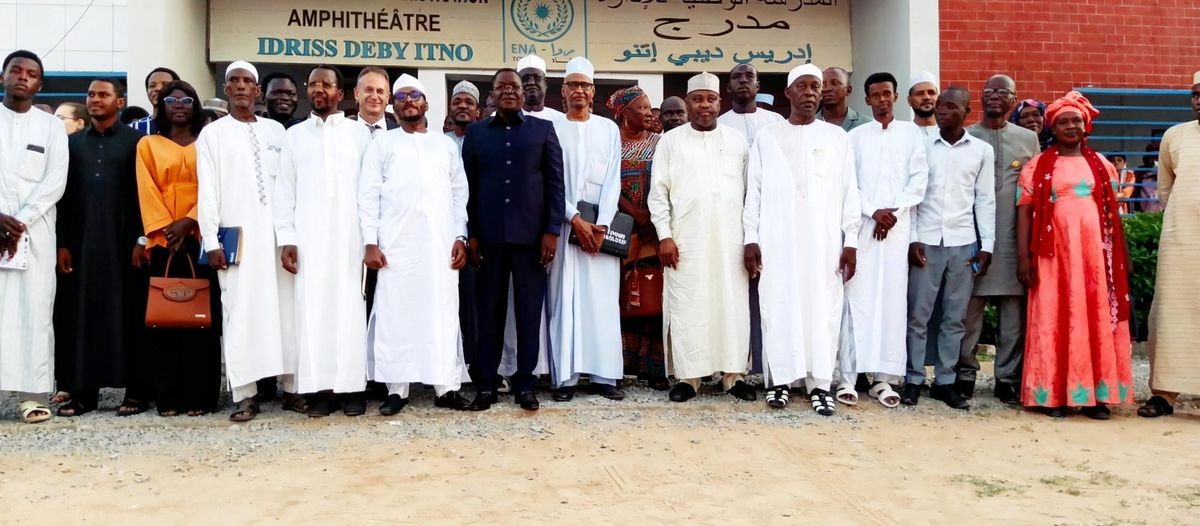
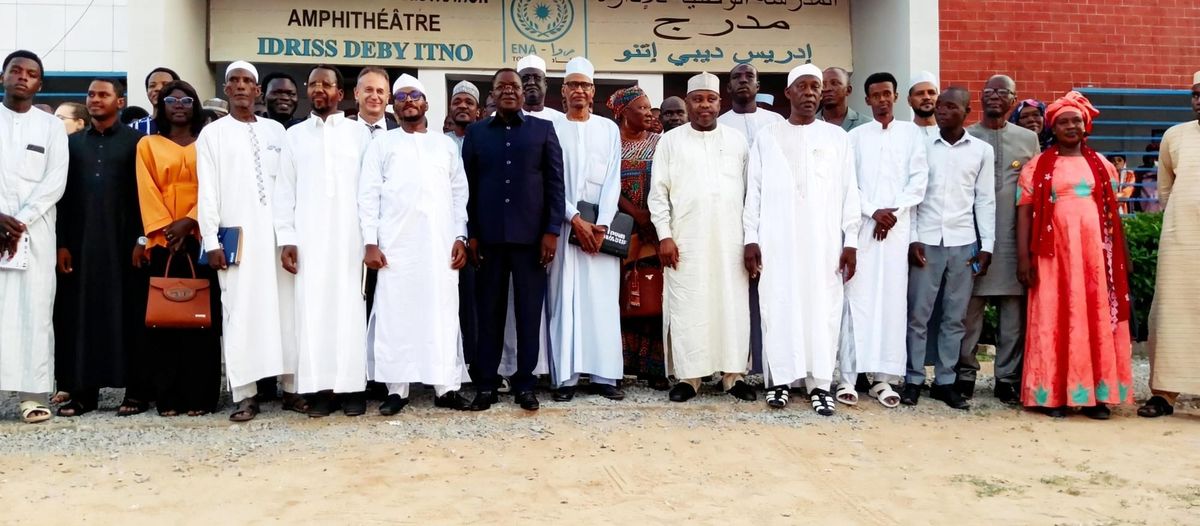
Chad’s decentralization debate took center stage as former Prime Minister and current Senator Albert Pahimi Padacké delivered a widely attended lecture on the role of provincial councils. While acknowledging the potential of local governance, the RNDT-Le Réveil leader exposed the rigid grip of a central state reluctant to relinquish control.
The Idriss Déby Itno amphitheater at the National School of Administration (ENA) was packed with civil servants, students, and political figures eager to hear Padacké’s insights. The topic, “Decentralization in the development dynamic: the case of provincial councils,” struck a chord with the audience, reflecting Chad’s urgent need for institutional reform.
Over two hours, the former Prime Minister dissected the challenges of decentralization in Chad, blending technical precision with unfiltered political commentary. Though the country has formally committed to regionalization and decentralization, the speaker argued that progress on the ground falls far short of expectations.
Provincial councils: the missing link in Chad’s development
Padacké opened with a compelling case for decentralization, positioning it as the linchpin for bringing government closer to citizens. Local councils, he argued, could unlock grassroots initiatives and ensure fairer wealth distribution. By empowering provinces to manage their own affairs—education, health, infrastructure—decisions would become more responsive and timely.
The speaker emphasized that Chad’s development cannot flourish if every minor decision remains tethered to the ministries in N’Djamena. True progress, he asserted, requires trusting local leaders to drive change from the ground up.
The paradox of legal frameworks vs. central resistance
However, the senator’s diagnosis revealed a stark contradiction: a decentralization framework exists on paper, yet the state’s deeply entrenched centralization persists. Padacké described this as the “vertical centrality” of the administration—a passive but unyielding resistance to transferring authority and, crucially, financial resources.
Provincial councils, he noted, are often left without the means to execute their mandates, suffocating under the central government’s suffocating oversight. “Decentralization without financial autonomy is merely an administrative facade,” he remarked.
A call for bold reforms
The lecture swiftly evolved into a rallying cry for systemic change. Padacké urged collective action to dismantle the vertical power structure that stifles provincial growth. For decentralization to succeed, he stressed, the state must empower local leaders, transforming provincial councils into engines of economic autonomy rather than mere conduits for capital directives.
The subsequent discussions with the audience—particularly future senior civil servants from the ENA—highlighted decentralization as one of Chad’s most pressing and sensitive institutional challenges. The path to development, it seems, hinges on breaking free from entrenched central control.