
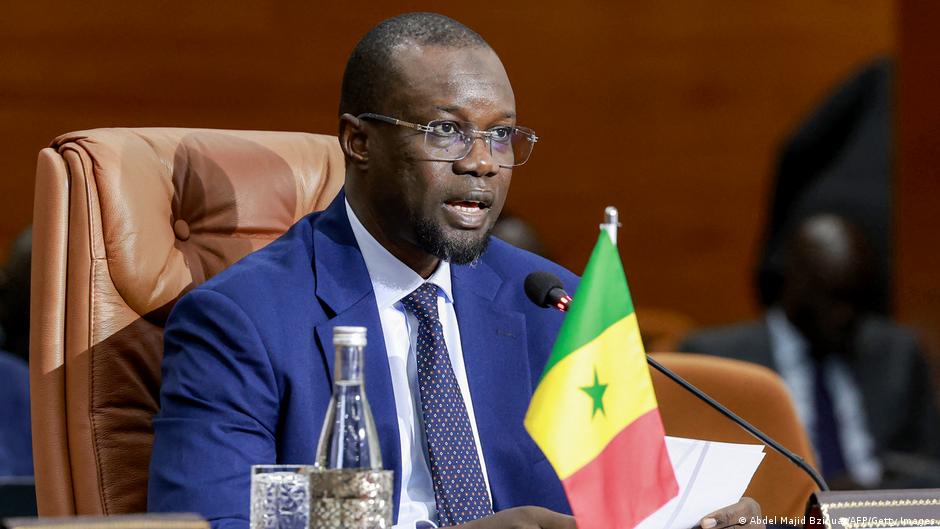
In Senegal, openly criticizing Ousmane Sonko has become a high-stakes endeavor, with dissenters facing fierce backlash from his supporters. The intensity of online harassment campaigns, particularly on social media, has created a climate of fear that stifles free expression. Civil society leaders and journalists report growing intimidation, pushing many to self-censor to avoid digital or physical repercussions.
Since assuming his role as President of the National Assembly, Sonko’s influence has further strained political discourse. His rhetoric has extended beyond rhetoric, with early threats targeting media independence. In April 2024, shortly after becoming Prime Minister, he declared:
“No longer will we allow media outlets to publish whatever they wish about individuals under the guise of press freedom, without credible sources.”
Judicial independence under scrutiny
Sonko’s criticism has also targeted Senegal’s judiciary, accusing magistrates of obstructing financial investigations. In November 2025, during a public address, he singled out judges for allegedly perpetuating the very system he has long opposed. These remarks sparked outrage among legal professionals, deepening concerns over institutional checks and balances.
Women’s rights face setbacks
Women’s rights advocates highlight a troubling regression in gender equality under the current administration. Despite the 2010 gender parity law, implementation remains weak. Ossama Monique Sagna, a prominent feminist activist, notes a decline in female representation in government:
“The latest cabinet includes fewer women than under Macky Sall’s final government—just four ministers compared to seven previously. This represents a significant drop in political representation, fueling public frustration.”
Persistent challenges include stalled reforms to the Family Code, the non-enforcement of the Maputo Protocol on women’s reproductive rights, and rising gender-based violence. In 2025 alone, Senegal recorded 18 femicides, reflecting a worsening crisis amid insufficient government response.
Sagna emphasizes that structural progress remains elusive: “The same demands from decades ago—such as family law reform and protections against violence—still dominate the agenda. Without decisive action, these issues will continue to fester.”

More Stories
Burkina Faso’s crackdown: imam arrest and student union suspension spark alarm
Senegal political and social unrest deepens
Sénégal : chronique d’un divorce entre le président Faye et son Premier ministre Sonko