China calls for responsible handling of DRC’s mineral wealth amid regional conflicts
The United Nations Security Council convened an urgent session to address the escalating crisis in the eastern Democratic Republic of the Congo (DRC), where decades of conflict have left millions displaced and economies shattered. At the forefront of discussions was China’s strong appeal to end the weaponization of the DRC’s vast mineral resources—a practice that has fueled instability across the Great Lakes region.
Pillaging resources perpetuates conflict, China warns
During a high-level address, Fu Cong, China’s Permanent Representative to the UN, painted a grim picture of the situation: “The conflict in eastern DRC persists, compounded by the resurgence of Ebola, which has further strained an already fragile security and humanitarian landscape.” He emphasized the need for immediate, concerted action to reverse this trajectory.
Economic roots of conflict demand urgent attention
Mr. Fu highlighted the paradox of the DRC’s mineral wealth—one of the richest deposits in the world—being systematically plundered by armed groups. “These resources, which should drive national development, are instead being trafficked, financing insurgencies and prolonging suffering,” he stated. The diplomat underscored that transparent governance of the mining sector is critical to restoring peace and stability.
Transparency and regional cooperation as pillars of peace
China proposed a multi-pronged approach to break the cycle of exploitation:
- Strengthening regional collaboration: Fu Cong urged support for the DRC and neighboring countries to establish transparent and inclusive mining partnerships, cutting off illicit trade networks.
- Enhancing UN oversight: He called on the Security Council to bolster mechanisms for tracking mineral exports, ensuring traceability and accountability.
- Rejecting geopolitical leverage: The Chinese envoy cautioned against treating the DRC’s resources as “bargaining chips” in broader regional disputes, stressing that such tactics only deepen instability.
Mineral-rich provinces bear the brunt of illegal exploitation
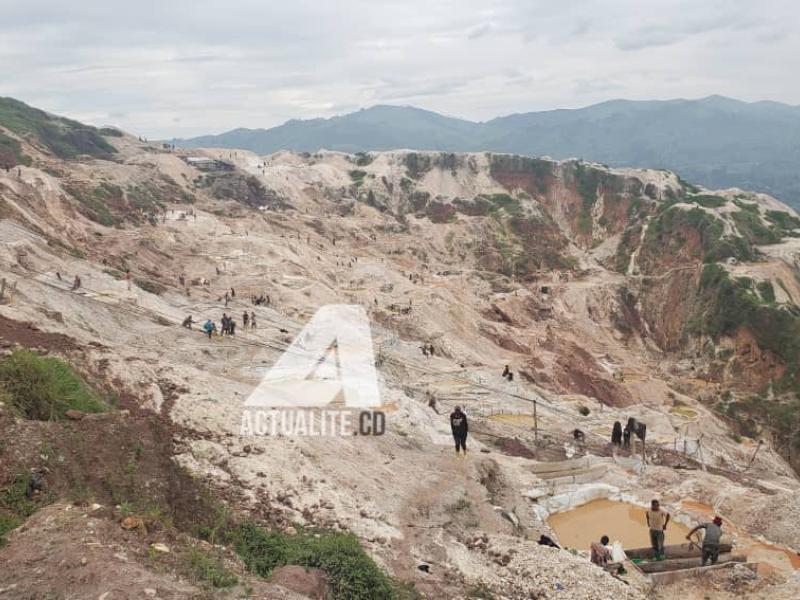
The DRC’s eastern provinces, particularly North Kivu and South Kivu, are home to critical mining sites like Rubaya, where armed factions—including the M23 rebel group—control lucrative operations. This illicit trade strips the state of vital revenue and stifles economic progress, leaving communities in poverty despite the region’s natural bounty.
Local authorities have long framed the conflict as an “economic war,” with Rwanda repeatedly accused—though denied—of backing rebel factions to exploit mineral wealth. Diplomatic efforts, such as the Washington Agreement between the DRC and Rwanda, and the Doha Process mediated by Qatar, have yet to yield tangible results, as mutual accusations of non-compliance persist.
International community urged to act decisively
Fu Cong’s remarks echoed broader concerns that external actors often exacerbate the crisis by prioritizing short-term economic interests over sustainable peace. “The international community must foster cooperation based on mutual benefit, not zero-sum calculations,” he asserted. “Only then can the people of the DRC—and the Great Lakes region—realize the benefits of their natural heritage.”
Path forward: governance and accountability
As the Security Council weighs its next steps, China’s stance signals a potential shift toward prioritizing governance reforms and cross-border cooperation. Analysts suggest that without addressing the economic drivers of conflict, any military or diplomatic solution will remain elusive. The DRC’s future, they warn, hinges on whether its vast mineral wealth can be harnessed for development—or continue to be a curse.
Clément Muamba