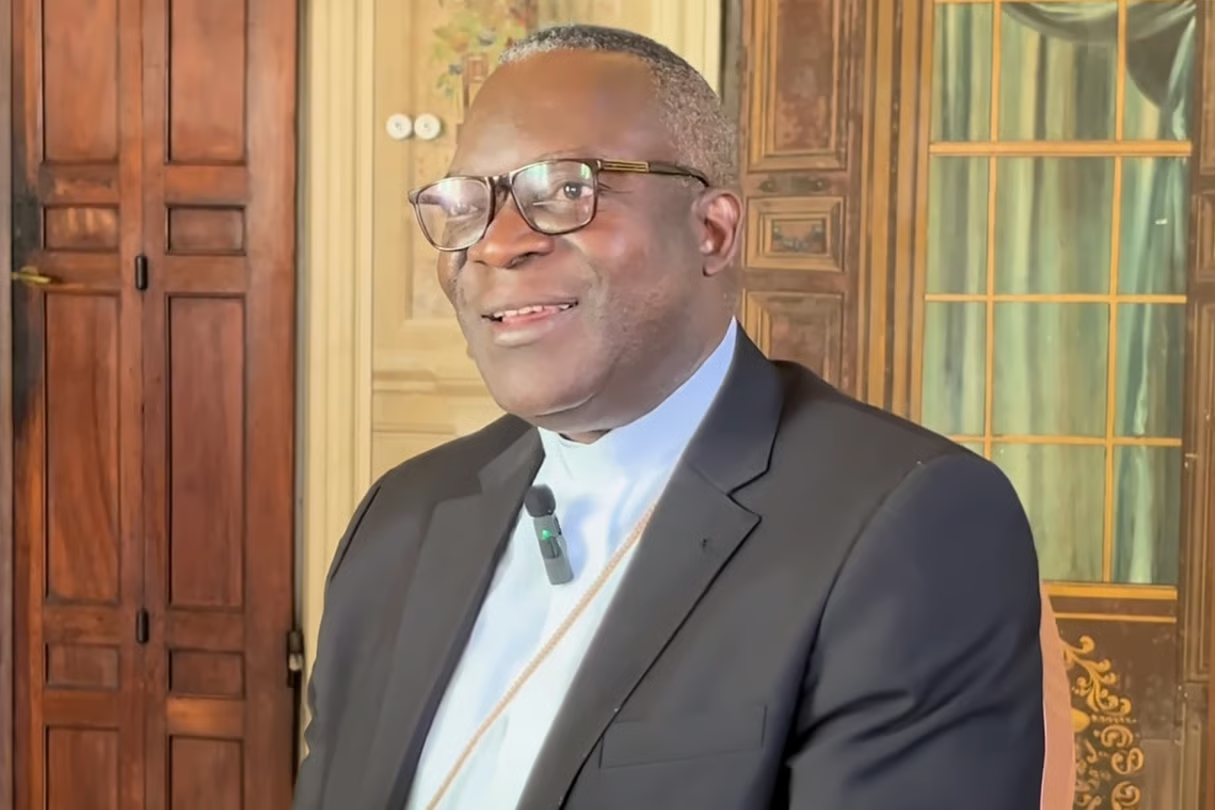
Congo’s top bishop voices strong opposition to referendum amid instability
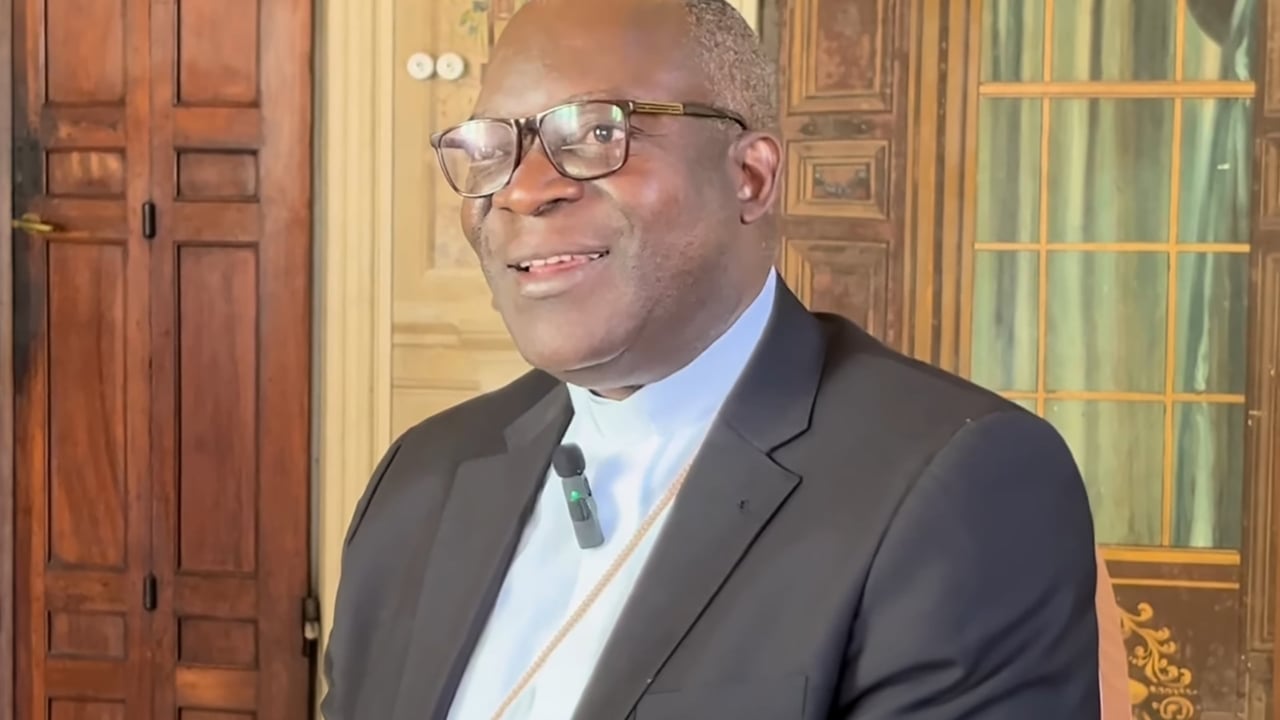
The head of Congo’s National Episcopal Conference (Cenco) has forcefully rejected plans for a constitutional referendum, warning that the timing could worsen the country’s deepening crisis. Bishop Fulgence Muteba emphasized that holding such a vote in the current climate—marked by persistent armed conflict—would be not only unwise but dangerous.
In a candid assessment, he argued that the nation’s fragile security situation demands immediate focus on stabilization rather than political restructuring. «Now is not the moment for constitutional changes,» he stated. «The country is at war, and any distraction from resolving this conflict could have irreversible consequences.»
Why the referendum faces fierce resistance
The proposal for a constitutional referendum has drawn sharp criticism from multiple quarters, including religious leaders, opposition figures, and civil society groups. Critics argue that the timing undermines national unity and could exacerbate existing tensions.
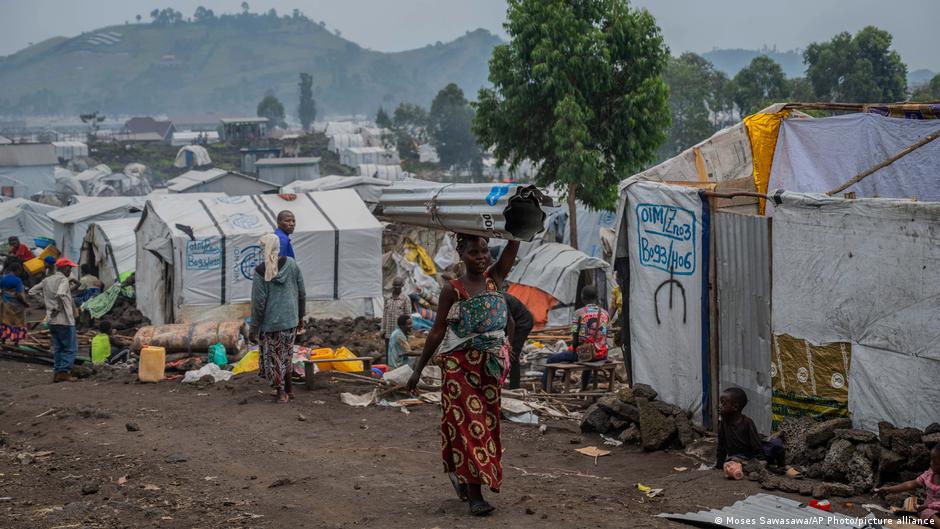
The Congo conflict, now in its most severe phase in years, has displaced millions and left large regions under the control of armed groups. Bishop Muteba highlighted the human toll, noting that «any misstep in governance could push already vulnerable communities over the edge.»
Political fallout and public sentiment
The referendum debate has intensified political divisions, with key figures like former President Joseph Kabila and current leader Félix Tshisekedi taking opposing stances. While supporters claim the changes are necessary for modernization, opponents warn of a power grab disguised as reform.
Public opinion remains deeply skeptical, particularly in regions hardest hit by violence. Many see the referendum as a political maneuver that distracts from the government’s failure to protect citizens. Bishop Muteba echoed these concerns, stressing that «leadership must prioritize peace and security above all else.»
What’s next for Congo’s political landscape?
With the referendum proposal stalled by widespread opposition, the government faces mounting pressure to address the root causes of instability. The Cenco has called for inclusive dialogue to chart a path forward, warning that coercive measures could deepen the rift between state and society.
As Congo’s leaders weigh their next move, the question remains: Can a nation at war afford to gamble on constitutional change—or will the cost of miscalculation be too high?