After a prolonged standoff that disrupted trade and strained diplomatic ties, the governments of Niger and Benin are inching toward resolving their three-year border dispute. Recent high-level talks in Cotonou have yielded significant progress, raising hopes for an imminent reopening of their shared frontier.
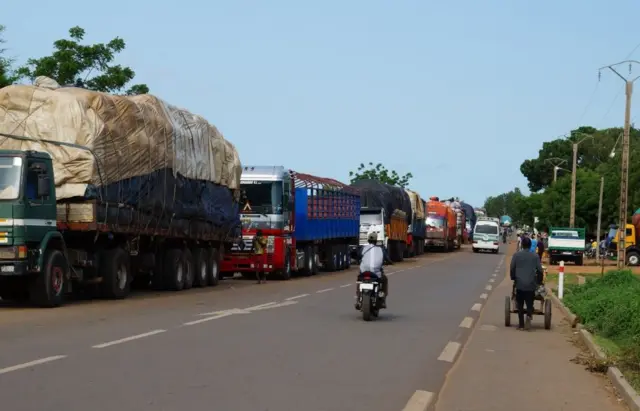
Key breakthroughs in nigero-beninese negotiations
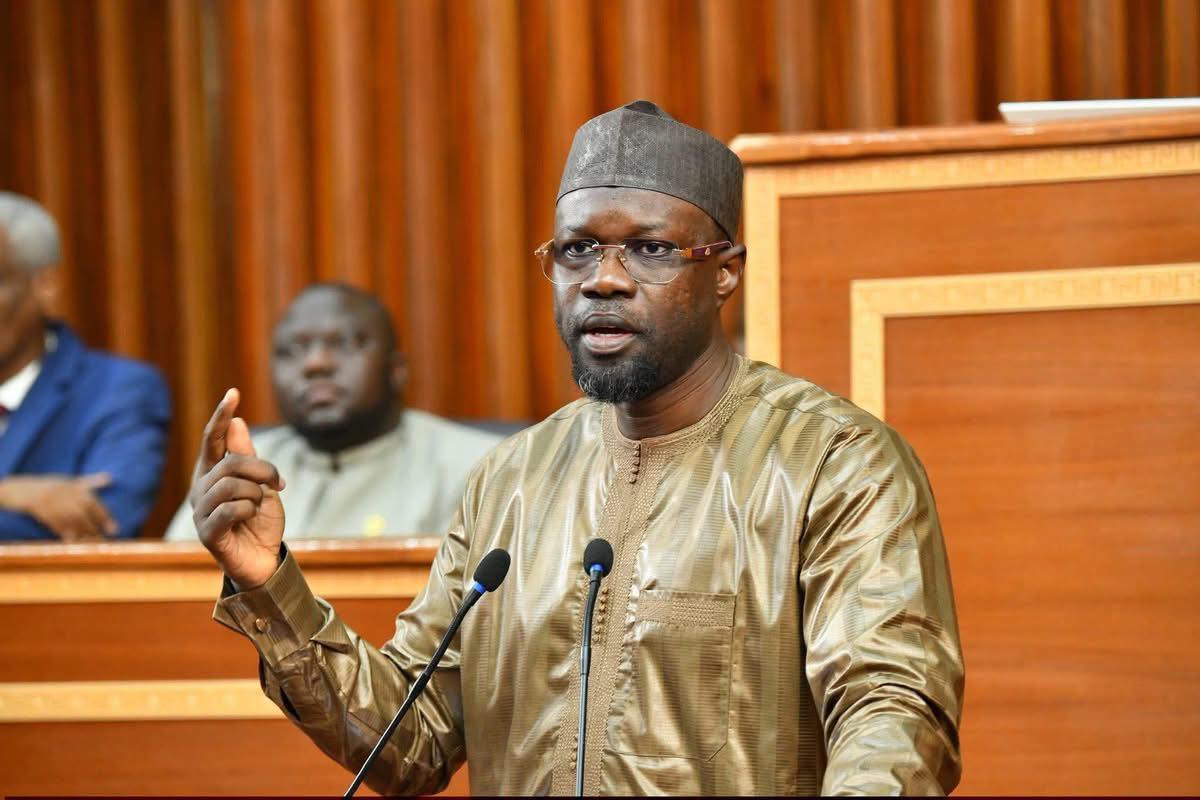
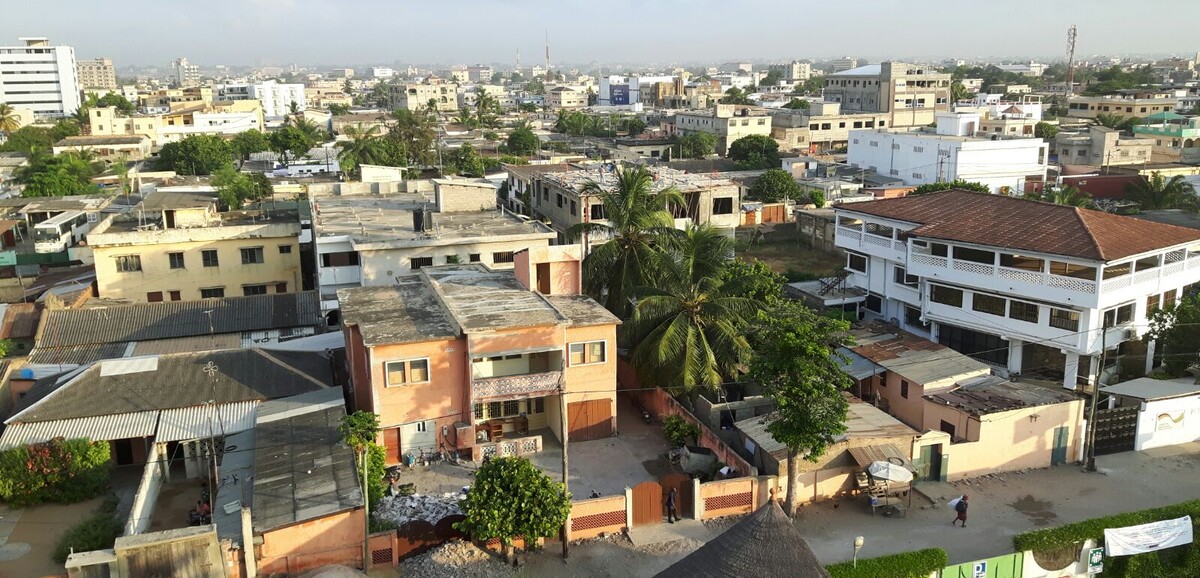
A two-day working session in Cotonou concluded with a series of agreements addressing long-standing concerns. A high-level delegation from Niamey, led by Interior Minister General Mohamed Toumba, engaged in intensive discussions with Beninese counterparts to address security cooperation, transit logistics, and unresolved trade disputes.
The parties reached in-principle agreements on several critical fronts:
- Enhanced security coordination to curb cross-border threats and illicit trafficking
- Exemption of transit fees for goods transiting between the two nations
- Prohibition of certain goods from entering the local market to protect domestic industries
- Revision of tariff structures to facilitate smoother trade flows
- Establishment of a joint committee to resolve lingering legal and commercial disputes
General Toumba emphasized the strategic value of dialogue, stating, “We have prioritized security while laying the groundwork for economic and legal normalization. This approach will create tangible benefits for our economies, security for our citizens, and renewed hope for our youth.”
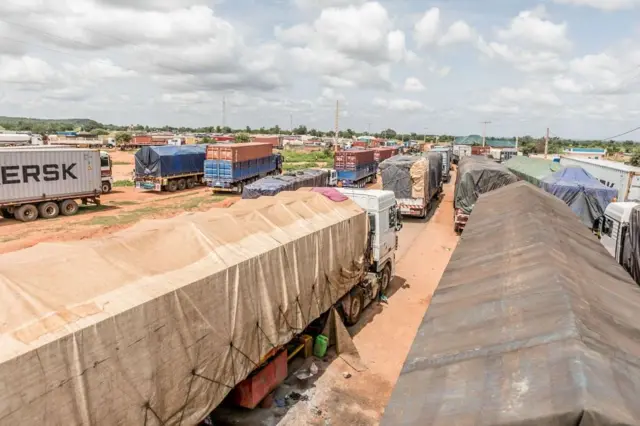
Restoring trust between two west african neighbors
Benin’s Industry and Trade Minister, Oleshegun Adjadi Bakari, described the talks as transformative, noting that both delegations emerged with renewed confidence in one another. “After 48 hours of collaborative work, we no longer see ourselves as separate entities but as one team with a shared mission: to rekindle the deep-rooted bonds between our peoples.“
The outcomes of these negotiations are now slated for review by the highest authorities in both capitals before being implemented. Local transporters and business communities have expressed cautious optimism, particularly those whose livelihoods depend on the border’s reopening.
Romuald wadagni: the architect of thawing relations

The recent easing of tensions can be directly attributed to the political transition in Benin. Following his April election victory, President Romuald Wadagni made a landmark visit to Niger in early June—just one week after taking office. This gesture marked the beginning of a deliberate effort to mend fences with Niamey.
Within weeks of that visit, both governments moved swiftly to honor commitments outlined in a joint communiqué. The document pledged the formation of a mixed bilateral commission tasked with investigating the events leading to the 2023 border closure and removing all obstacles to deeper cooperation.
Beyond border issues, the two nations are prioritizing the revival of their joint cooperation commission and strengthening cross-border security efforts against terrorism and armed banditry.
Roots of a three-year impasse
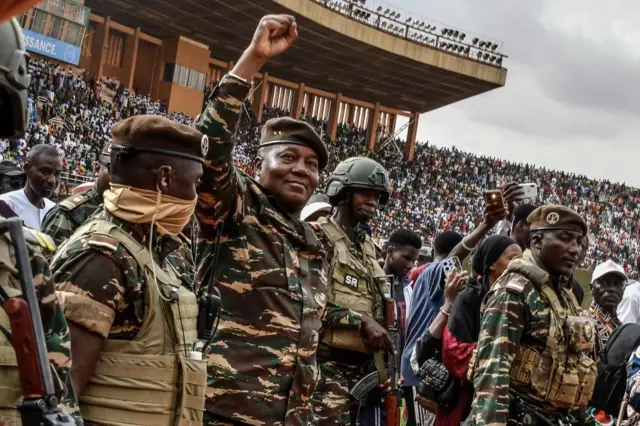
Tensions between Niger and Benin escalated sharply after the July 2023 coup in Niamey, which brought General Abdourahmane Tiani to power. The new military leadership accused Benin’s former president, Patrice Talon, and other regional leaders of plotting a military intervention to restore constitutional order under ECOWAS auspices—a claim Cotonou and Paris consistently denied.
Niamey also alleged that Benin hosted French troops preparing for a potential invasion, accusations both Benin and France vehemently rejected. The junta further blamed Benin for supporting armed groups operating in Niger and coup plotters involved in a failed December 2023 attempt to overthrow Patrice Talon.
The dispute intensified after ECOWAS imposed sanctions and recommended border closures following the Nigerien coup, further straining relations between the two West African neighbors.
Economic fallout across the region
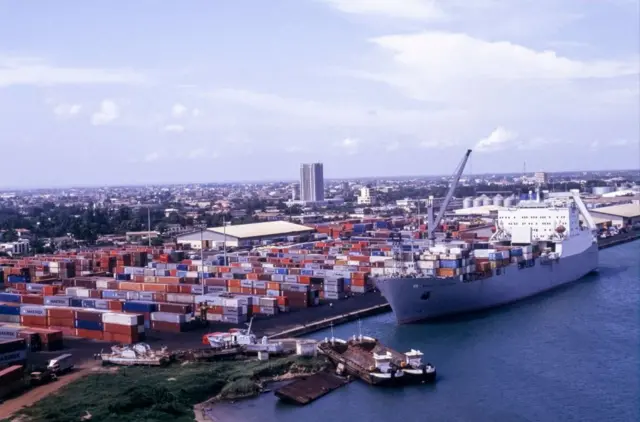
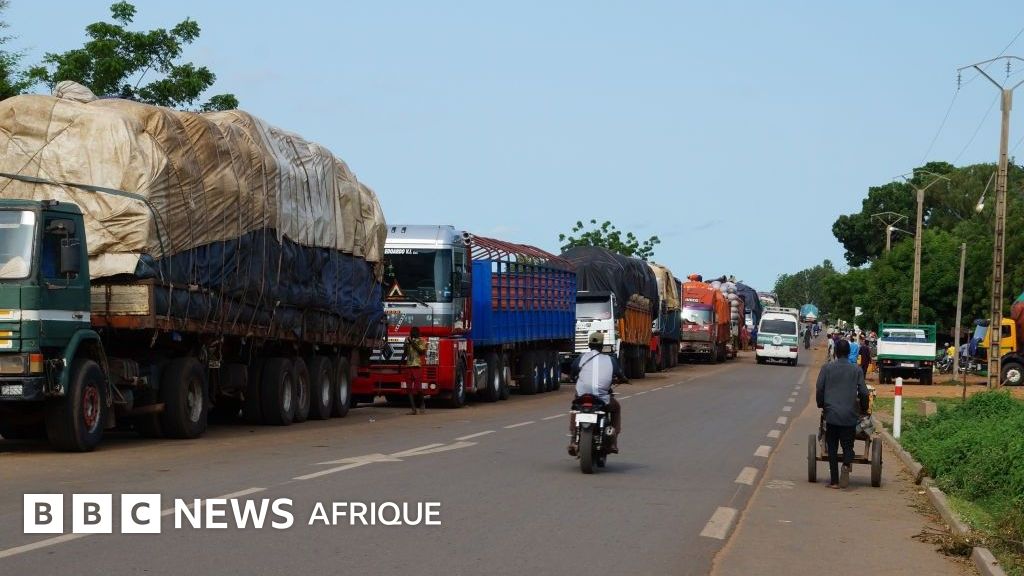
The prolonged border closure has had devastating consequences on both economies. Niger, a landlocked nation, relies heavily on Benin’s Port of Cotonou for international trade. The closure disrupted supply chains, stranded thousands of trucks, and left perishable goods to rot at border posts.
Local transporters like Ibrahim Abou Koura, who once managed a bustling warehouse handling goods bound for Niger, now face severe hardship. “The communities on both sides of the border are suffering the most,” he noted, highlighting the human cost of political decisions.
The crisis also forced Nigerien transporters to reroute shipments through Togo’s Port of Lomé—a longer and more dangerous path that requires passing through Burkina Faso, where jihadist groups pose constant threats to commercial traffic.
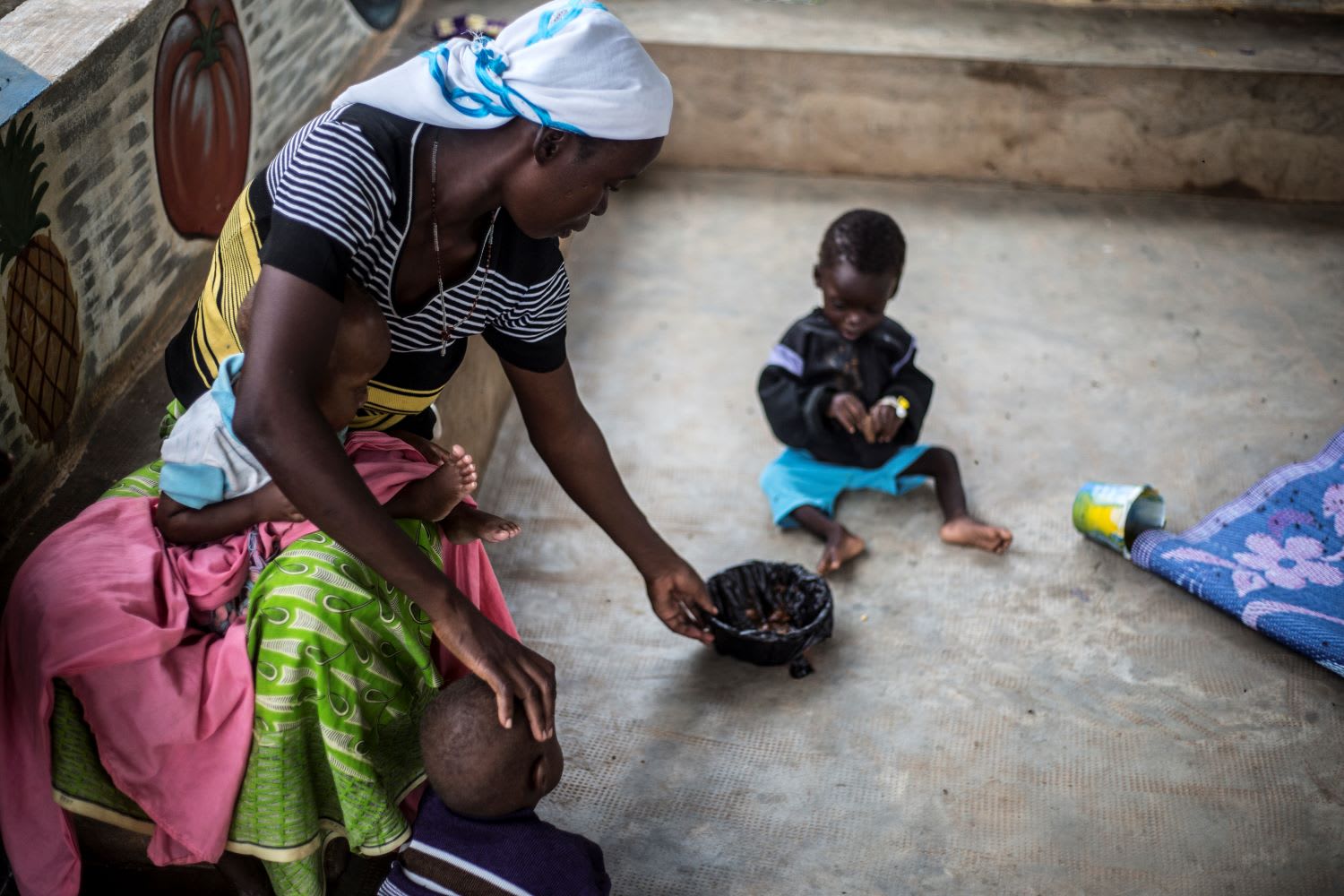
Industry leaders warn that without urgent resolution, the economic damage could become irreversible. The once-thriving Niger-Benin corridor was described by Gamatie Mahamadou, Secretary General of Nigerian truckers, as “the safest, most profitable, and shortest route for transporters and businesses.” Its closure has crippled trade, particularly in essential goods like cereals, leaving populations vulnerable to shortages and price hikes.