
Senegal’s debt under IMF scrutiny: what emerged from recent Dakar negotiations
The International Monetary Fund’s (IMF) recent mission to Dakar has cast a spotlight on Senegal’s evolving public debt landscape. Against a backdrop of economic reforms and growing fiscal pressures, the high-stakes discussions centered on transparency, sustainability, and long-term financial stability for the West African nation.
Critical agreements reached on debt transparency
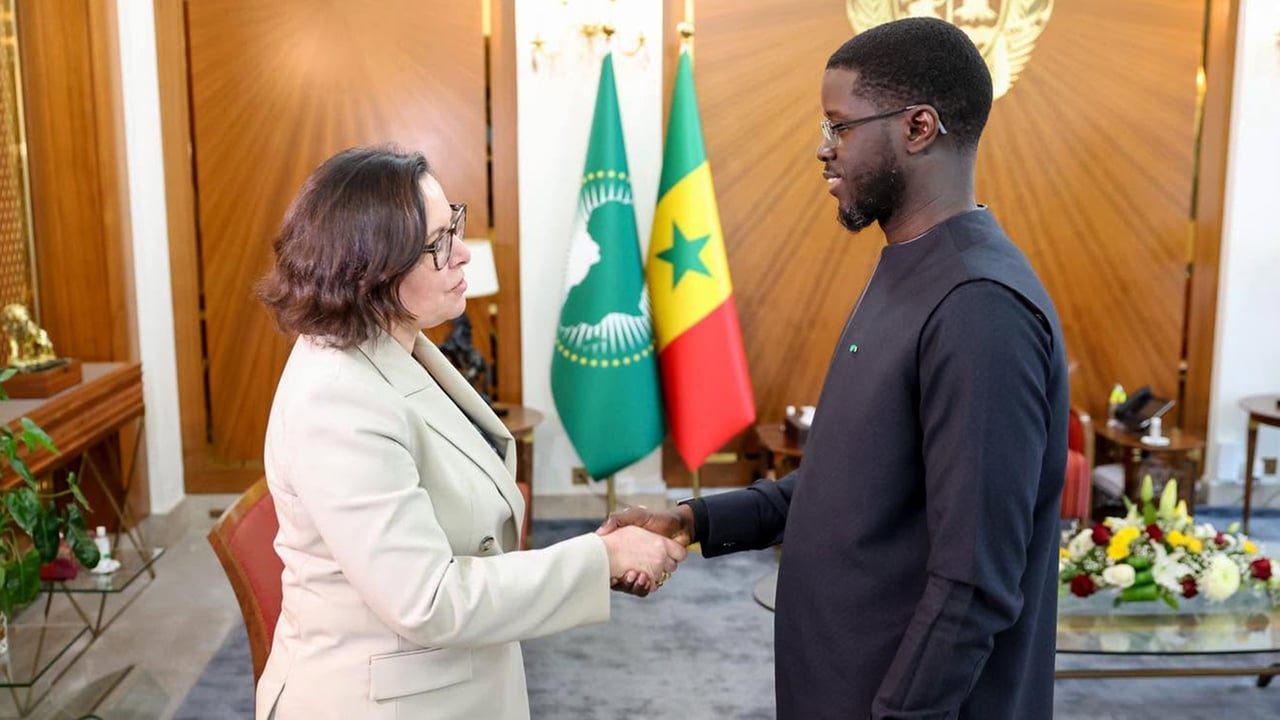
The IMF delegation, led by mission chief Mercedes Vera Martin, engaged in intensive negotiations with Senegalese President Bassirou Diomaye Faye and key government officials. A major breakthrough was the formal acknowledgment of previously undisclosed debt obligations, a move aimed at aligning Senegal’s financial reporting with international standards.
Key points from the talks include:
- Full disclosure of hidden debt: The government committed to publishing a comprehensive audit of all contractual obligations, including those previously classified as off-balance-sheet.
- Debt restructuring framework: A structured plan was outlined to renegotiate terms with creditors, ensuring more favorable conditions for debt servicing without compromising essential public investments.
- Fiscal responsibility benchmarks: New guidelines were introduced to cap non-concessional borrowing and prioritize social sector funding.
Economic reforms and their implications
The IMF’s recommendations are expected to reshape Senegal’s economic policies in 2026 and beyond. Among the proposed measures:
- Tax policy adjustments: Reforms targeting corporate and value-added taxes to boost revenue collection while supporting business growth.
- Public expenditure rationalization: A review of state spending to eliminate inefficiencies and redirect funds toward priority sectors such as healthcare, education, and infrastructure.
- Debt-to-GDP targets: The adoption of stricter fiscal rules to ensure the debt ratio remains below 70% by 2028.
Market reactions and investor confidence
Financial analysts have reacted cautiously to the developments. While the debt audit signals a commitment to transparency, concerns linger over the pace of implementation and potential short-term economic disruptions. Investors, however, have shown guarded optimism, citing Senegal’s strong growth trajectory and strategic location as long-term positives.
The IMF’s final assessment, expected in the coming weeks, will determine the next phase of funding support. For now, Dakar’s diplomatic and economic circles are closely monitoring the situation, aware that the outcomes could set a precedent for other African nations grappling with similar challenges.