Foreign media portrayal of LGBTQ+ issues in Sénégal draws sharp criticism
A recent television segment from a European broadcaster has ignited heated discussions across Sénégal, with critics accusing the report of spreading misinformation about the country’s stance on homosexuality. The program, which aired during prime time, examined alleged violence against individuals presumed to be gay, but its portrayal has been widely rejected by many Senegalese citizens.
Anonymized testimony fuels controversy
The broadcast featured an interview with a local man claiming to be gay, who asserted that some in Sénégal believe killing homosexuals would grant them entry to paradise. This statement, delivered under anonymity, became the centerpiece of the debate, with many questioning its authenticity.
Social media erupts in response
Online platforms became battlegrounds as Senegalese netizens expressed outrage over what they perceived as a deliberate distortion of their culture. “I’ve lived in this country my whole life, and I’ve never heard such claims,” wrote one user. Another countered, “This is nothing more than an attempt to tarnish our society.”
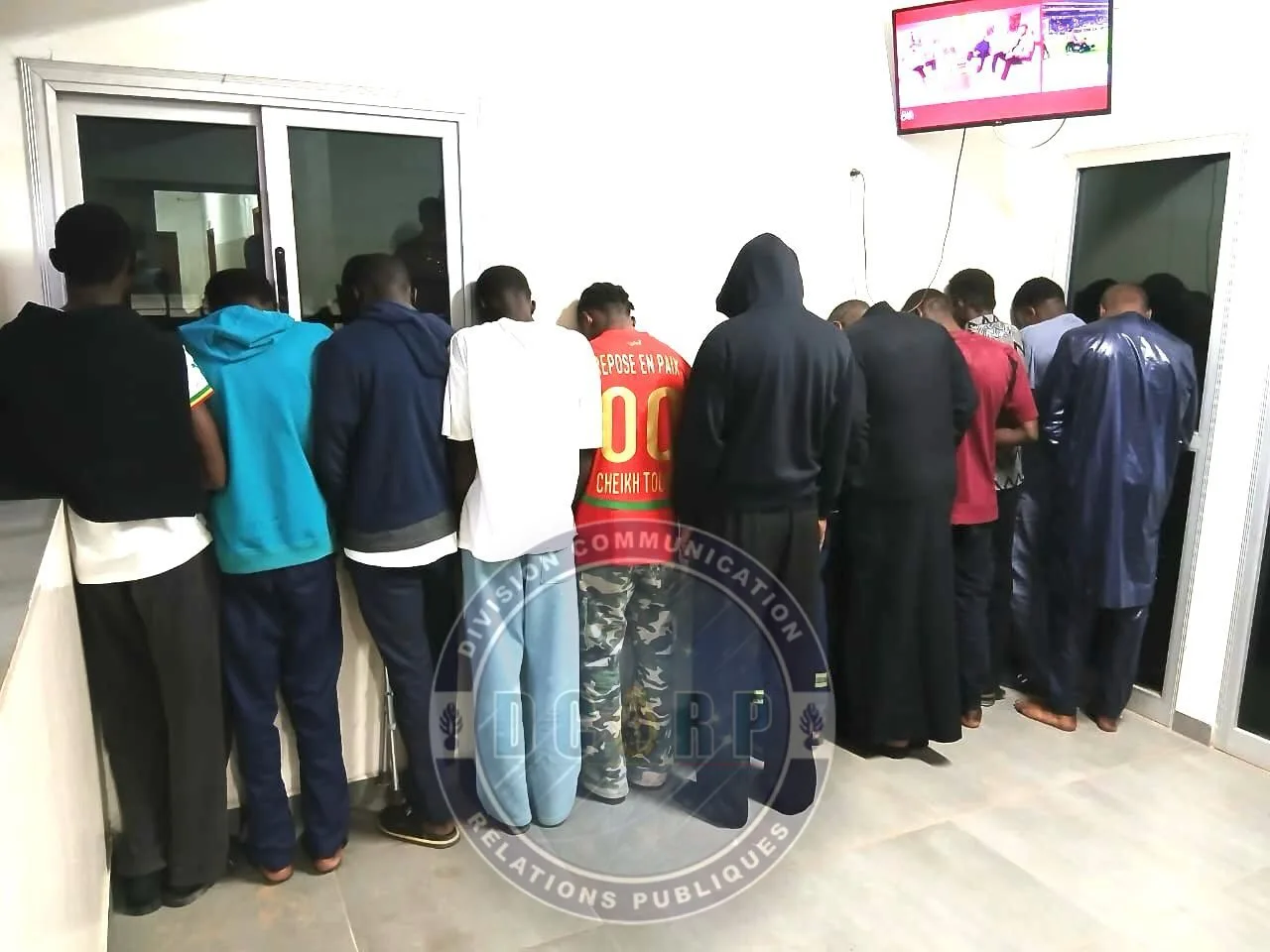
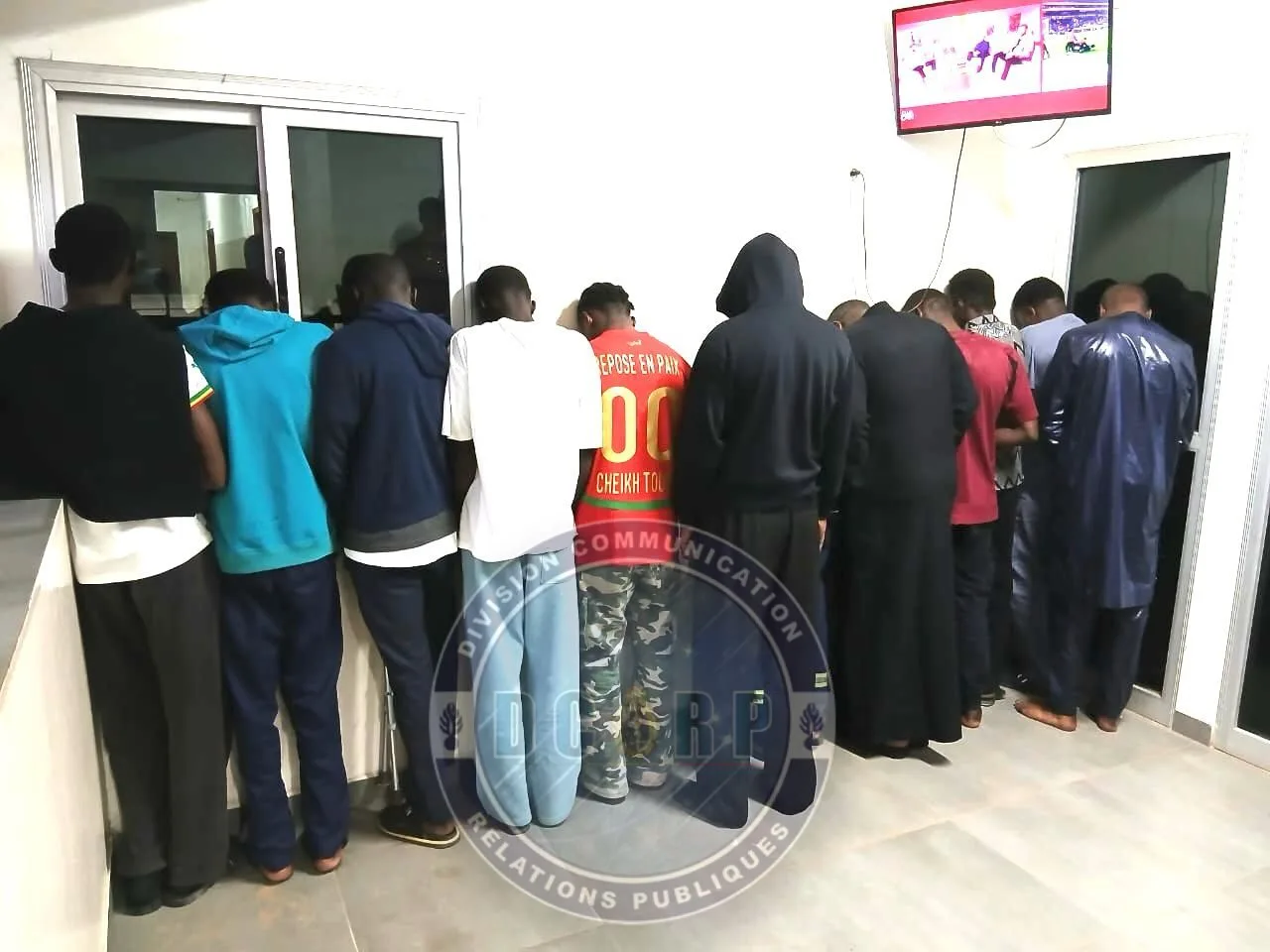
Beyond personal testimonies, critics argue the report failed to address key legal aspects of recent arrests. While the broadcast suggested discrimination based solely on sexual orientation, legal experts point out that those detained were charged with deliberate HIV transmission—a separate offense under Senegalese law.
Medical professionals at the National AIDS Control Center were also quoted, though critics note the segment omitted any discussion of the HIV transmission charges that led to the arrests.
Questioning the narrative
Many see the report as part of a broader pattern of foreign media framing complex social issues in Sénégal through a sensationalized lens. “What we witnessed was a clearly slanted narrative that overlooks critical legal realities,” commented one observer. The controversy underscores ongoing tensions between international portrayals of the country and the realities on the ground.
The debate continues to unfold, with both sides digging in their positions over how LGBTQ+ rights and related legal cases should be represented in global discourse.