- News
- Politics
Côte d’Ivoire: political veteran Ouattara’s decision to stay in power no longer controversial
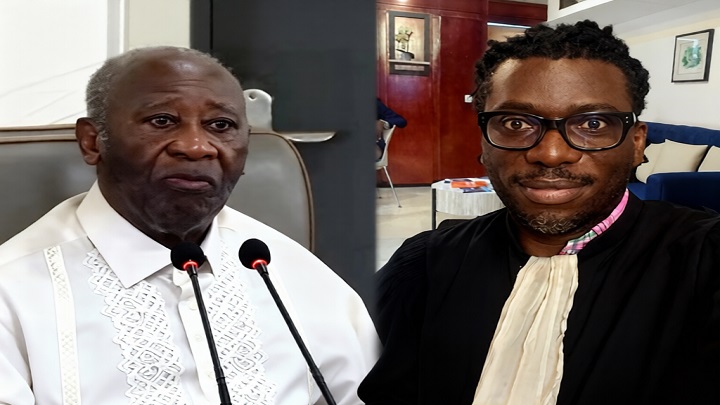
After Laurent Gbagbo’s surprise re-election as leader of Côte d’Ivoire’s PPA-CI party, legal expert Ange Rodrigue Dadjé has argued that criticism of President Alassane Ouattara’s continued political presence is now unwarranted.
During a press briefing on May 15, 2026, Dadjé emphasized that political realities often override initial retirement pledges. «We should no longer criticize President Ouattara for choosing to remain in politics after announcing his intention to retire,» he stated, sparking immediate debate across Ivorian political circles and social media.
The remarks followed Gbagbo’s unexpected decision to stay on as PPA-CI president during the party’s first ordinary congress in Abidjan. Despite earlier statements suggesting he would step back after the December 2025 legislative elections, Gbagbo reversed course, declaring, «I remain for the struggle» to thunderous applause from party members.
This U-turn has reignited discussions about the sustainability of political retirement in Côte d’Ivoire, particularly for long-serving leaders. In October 2025, Gbagbo had told journalist Alain Foka in an interview, «There is no retirement in politics, but I will refrain from holding political office—whether in my party or the state. I have given enough.» At 81, his acquittal by the International Criminal Court in 2021 seemed to signal a gradual handover to younger PPA-CI cadres.
The congress’s decision has since prompted many to question whether prominent Ivorian figures can truly step away when their supporters call them back. This dynamic mirrors the controversy surrounding Ouattara’s own political longevity. In 2020, his decision to seek a third term—after previously hinting at retiring—drew sharp criticism from opposition groups, including Gbagbo’s PPA-CI. Yet Dadjé suggests that such pivots reflect the inevitable pull of political necessity over personal commitments.
Ouattara, now 83, justified his 2025 presidential bid by citing Côte d’Ivoire’s pressing security and economic challenges. «This decision was carefully considered and is a duty,» he asserted, framing his candidacy as essential for national stability. His move followed Gbagbo’s unexpected return to the political forefront, challenging assumptions about political retirement in Africa’s aging leadership landscape.
Political legacy vs. generational change
The PPA-CI congress has thus shifted the debate in Côte d’Ivoire from whether leaders *can* retire to whether they *should*—especially when their base insists otherwise. This tension between tradition and renewal plays out across Africa, where veteran politicians often find it difficult to disengage despite public pledges to do so.
The situation underscores a broader question: In a democracy, how much weight should public demand carry when leaders reconsider their stated retirements? Côte d’Ivoire’s political narrative now hinges on this delicate balance between experience and succession.