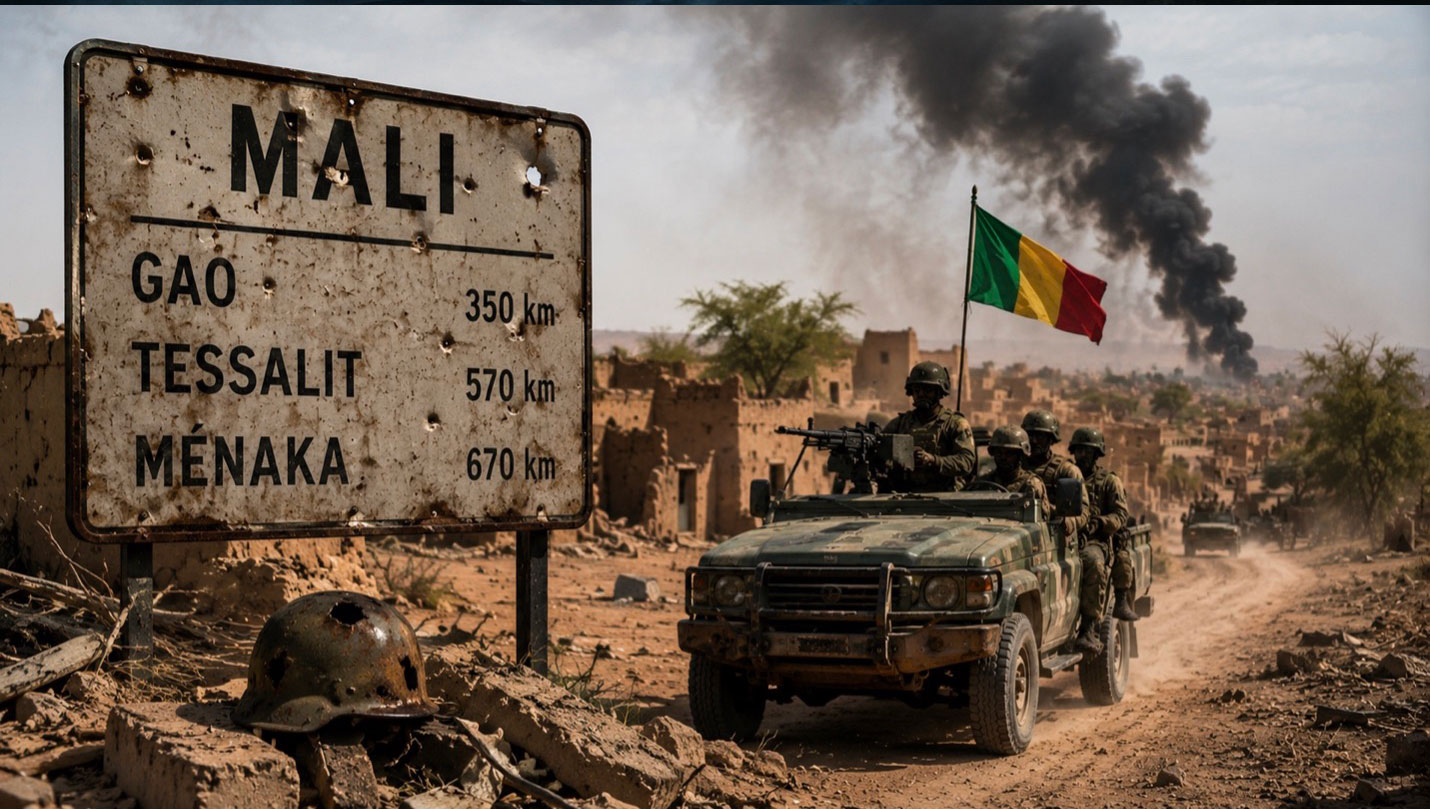
The recent spate of truck burnings along the Sahelian border zone are far more than isolated security incidents. They expose a deepening crisis along the once-stable trade arteries linking Mauritania, Morocco, and northern Mali. These commercial lifelines, which once flowed steadily, now face persistent insecurity that jeopardizes the supply of essential goods—food, fuel, and medicine—to communities in the Malian north.
Trade flows that once supplied markets in Tombouctou and Gao via Mauritanian territory have plummeted. The once-reliable trans-Saharan routes, vital for moving goods across the region, are now disrupted, further destabilizing an already fragile economic balance in northern Mali.
For years, Mauritania played a pivotal role in connecting Moroccan ports to northern Mali. Merchants relied on Mauritanian transit, leveraging networks rooted in the ancient caravan traditions of the Sahara. Umar Al-Ansari, a regional analyst, highlights Mauritania’s broader significance: « Mauritania has long acted as a lifeline for the Malian north—not just for goods, but for people seeking safety. Since 1991, Nouakchott has kept its borders open to waves of Malian refugees. Current estimates suggest over 300,000 displaced Malians now reside in eastern Mauritania, particularly in the Mbera camp and surrounding host communities. »
Eroding cooperation and rising tensions
This openness also strengthened cross-border security efforts. Mauritanian authorities, observers note, early on contained armed threats and prevented their entrenchment in border zones. Yet, this cooperative dynamic has steadily weakened amid regional insecurity and shifting alliances.
Mali’s transitional authorities, alongside enhanced military partnerships—particularly with Russian forces—have reshaped perceptions in Nouakchott. Border areas have become flashpoints for military operations, civilian clashes, and accusations of collaboration with armed groups. These recurring incidents have eroded traditional cooperation mechanisms between communities on both sides of the frontier.
A breakdown of local networks and instability
According to Al-Ansari’s assessment, this deterioration has directly undermined the decades-old networks sustaining border life. « Each incident—kidnappings, arrests, or unfounded accusations—chips away at the trust between merchants, herders, traditional leaders, and transporters, » he observes. « As these networks collapse, instability spreads, allowing armed groups to gain footholds in zones once dedicated to commerce and human movement. »
Today, routes linking Mali to Mauritania are increasingly perilous, with disruptions that disrupt trade flows and deepen the isolation of northern Mali.
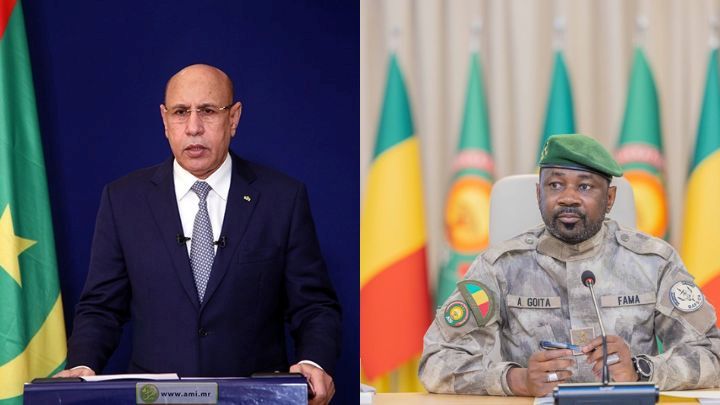
Once a linchpin of stability and cooperation for Bamako, Mauritania has distanced itself from collaborative efforts. This shift reflects a broader realignment in regional dynamics, driven by security concerns and evolving geopolitical ties.