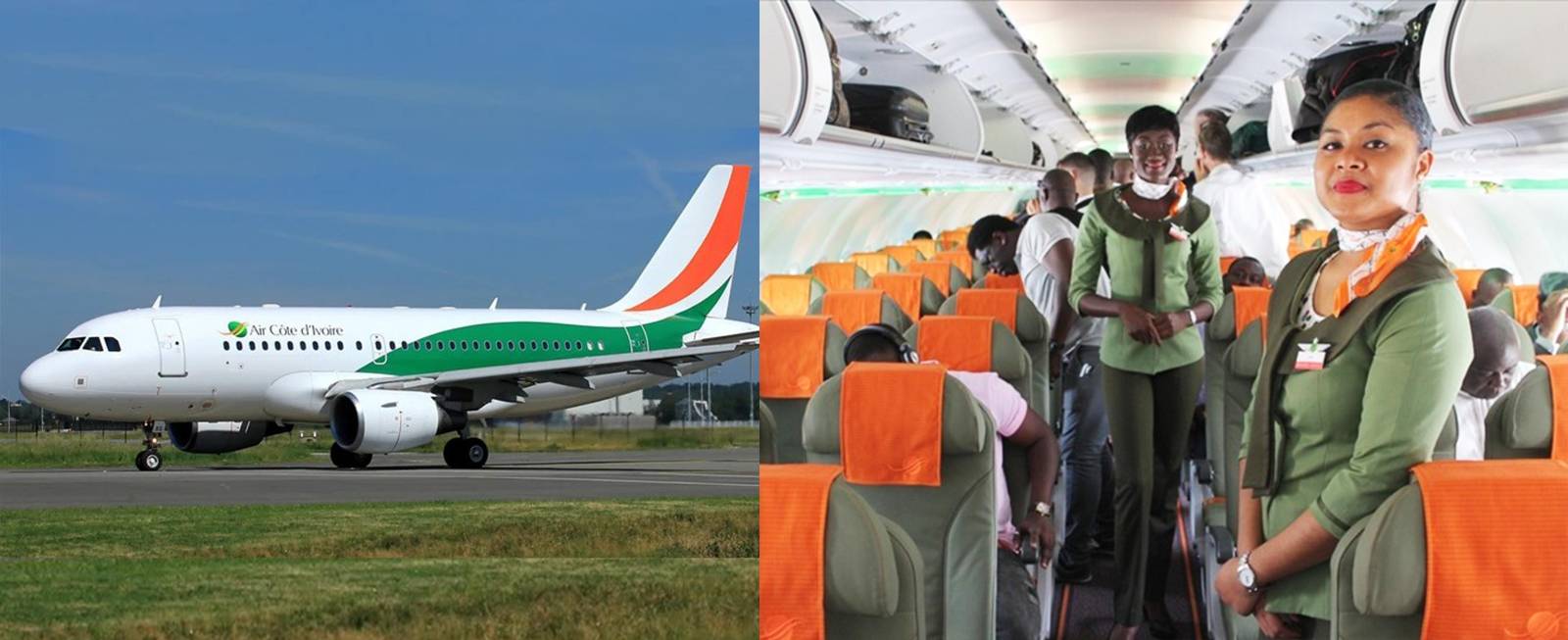
The Ivorian administration has initiated a significant policy shift. To bolster the national carrier, Air Côte d’Ivoire, and democratize air travel, a substantial 25% reduction in passenger fees has been formally approved.
This decision represents a pivotal moment for the aviation sector. By slashing airport levies by a quarter, the government of Côte d’Ivoire is implementing a strategic reform designed to fundamentally reshape the nation’s air transport landscape.
The strategic importance of tax reduction
Airfare pricing often remains opaque to the average traveler. In practice, a considerable portion of the total ticket cost is comprised of various taxes and fees remitted to the state and airport authorities rather than the airline itself.
By addressing these overheads, the executive branch is utilizing two primary economic drivers:
- Enhanced consumer accessibility: A reduction in taxation translates directly into lower ticket prices. Consequently, air travel is transitioning from an exclusive luxury into a more accessible mode of transport for a broader demographic.
- Strengthened market position for Air Côte d’Ivoire: Against international competitors, the national airline now possesses a competitive pricing advantage, enabling it to increase passenger loads and optimize operations.
Establishing Abidjan as a premier West African hub
This fiscal adjustment is part of an expansive vision to transform the Félix Houphouët-Boigny International Airport in Abidjan into a dominant regional transit center.
Historically, the heavy fiscal burden on the aviation sector hindered both citizen mobility and the growth of the national flag carrier. This 25% decrease effectively removes a significant barrier to industrial expansion.
By improving the cost-effectiveness of Abidjan as a destination for both carriers and travelers, Côte d’Ivoire aims to capture a larger share of the passenger traffic across West Africa and the international market.
Key takeaways from the reform:
- Policy measures: A 25% decrease in fees, direct assistance to Air Côte d’Ivoire, and a hub-centric strategy.
- Primary objectives: Reducing travel costs, fortifying the national airline, and positioning Abidjan as a central aviation crossroads.
- Stakeholders: Domestic and international passengers, the national economy, and the country’s regional influence.