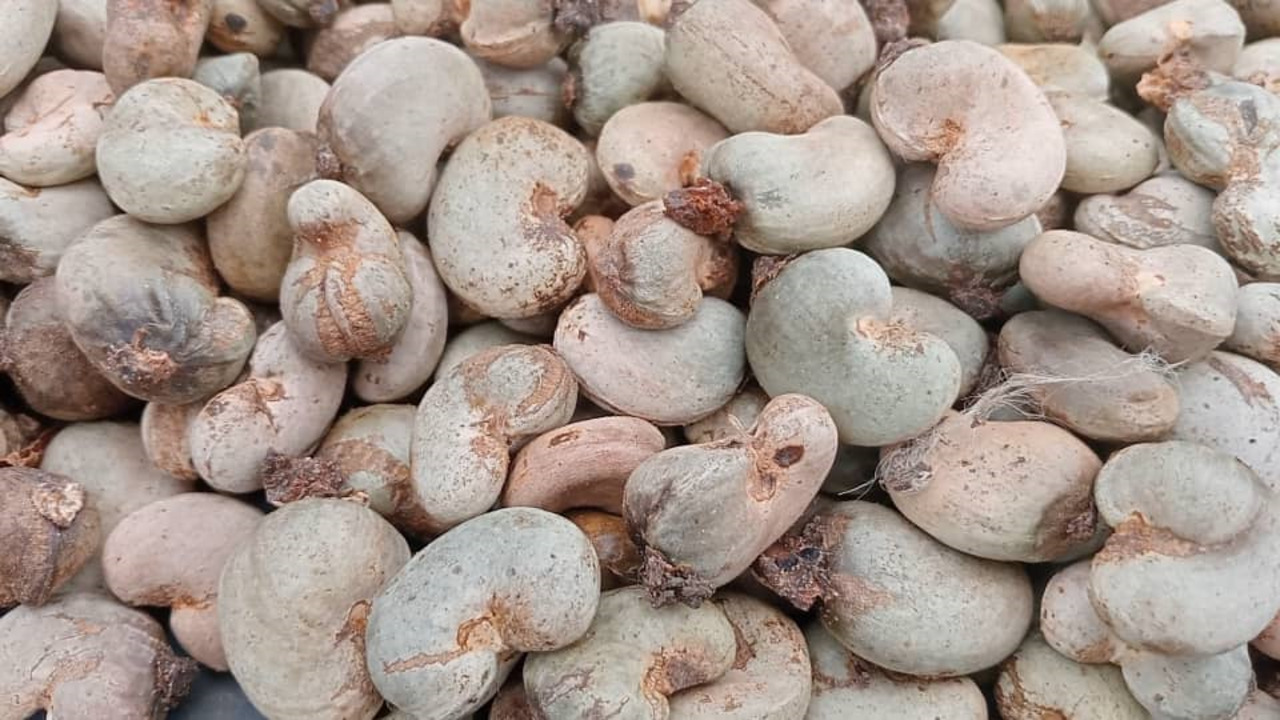
Côte d’Ivoire’s cashew nut production is facing a significant downturn this season, with the Bounkani region in the northeast bearing the brunt of the decline. The Cotton and Cashew Council projected a harvest of just over 1.3 million tonnes, a figure that, while still robust compared to previous years, marks a sharp drop of 200,000 tonnes from the previous season. The shortfall is particularly pronounced in the Bounkani region, where erratic rainfall patterns have disrupted the delicate balance required for optimal cashew cultivation.
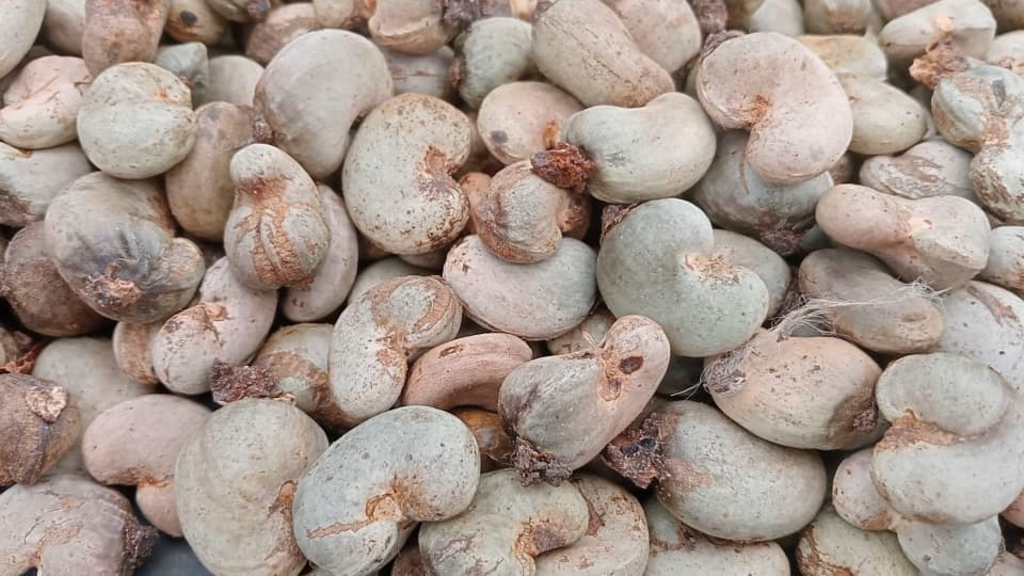
On a recent visit to Bouna, in the heart of Bounkani, local farmers shared their struggles. Kouamé Ouattara, who manages a 3-hectare cashew plantation, described his situation as “technical unemployment.” Three years ago, his yield stood at 500 kg per hectare. This season, he barely managed to collect two bags of cashews from his entire 3-hectare plot. Ouattara attributes the failure to a dramatic shift in the rainy season. “Typically, heavy rains between November and December stimulate flowering in cashew trees,” he explained. “This year, the rains stopped in October, leaving the trees without water for months. Without proper flowering, there can be no harvest.”
The consequences extend beyond cashew production. Local beekeepers, who rely on cashew plantations to sustain their hives, are also facing severe losses. Koffi Ouattara, president of the Koflangué beekeepers’ association, noted a drastic reduction in honey production. “Last year, we harvested 100 litres of honey,” he said. “This year, we’ve managed just 30 litres. It’s a significant loss for our community.”
Addressing the root causes
Climate disruptions are not the only culprit. Poor agricultural practices are exacerbating the problem, according to Dr. Sibirina Soro, a researcher at the University of Daloa and national coordinator of the cashew research project. “Many plantations are overcrowded, resembling dense forests rather than well-maintained orchards,” Soro explained. “The initial planting density was not respected, and now we’re advising farmers to rehabilitate these plots to achieve the recommended 100 trees per hectare.”
Soro also emphasized the importance of training farmers to combat pest infestations. In Côte d’Ivoire, cashew growers avoid chemical pesticides, making their crops more vulnerable to losses during poor harvest years. “Farmers need better support to adapt to these challenges,” he stressed. “Without it, the future of cashew farming in the region remains uncertain.”