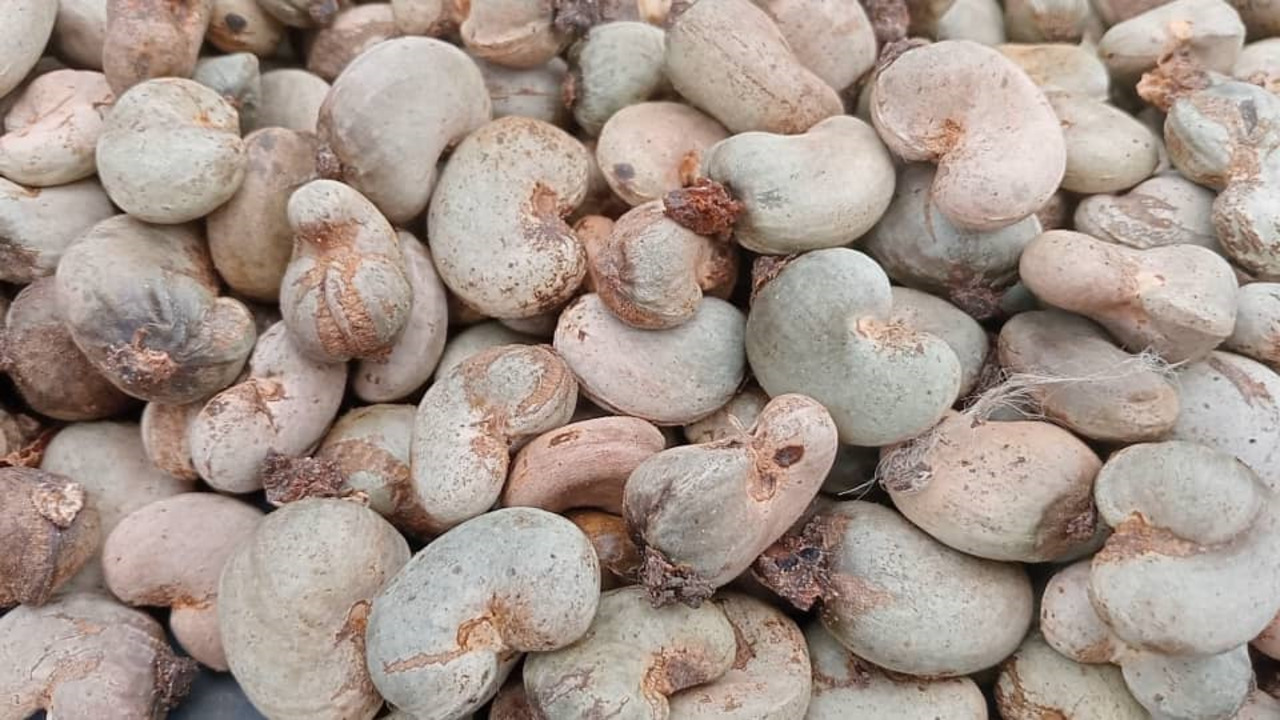
With the cashew marketing campaign in full swing in Côte d’Ivoire, the Council for Cotton and Cashew had projected a modest increase in production this season. Officials anticipated over 1.3 million tonnes of raw cashew nuts, a figure consistent with recent years, though still a potential decline of 200,000 tonnes compared to last year’s harvest. Yet, certain regions, particularly in the north-east, are facing significant challenges.
The Bounkani region, a key cashew-growing area, is experiencing a sharp drop in output due to erratic rainfall patterns. The Council for Cotton and Cashew attributes this downturn to a disrupted rainy season, which has directly impacted nut development.
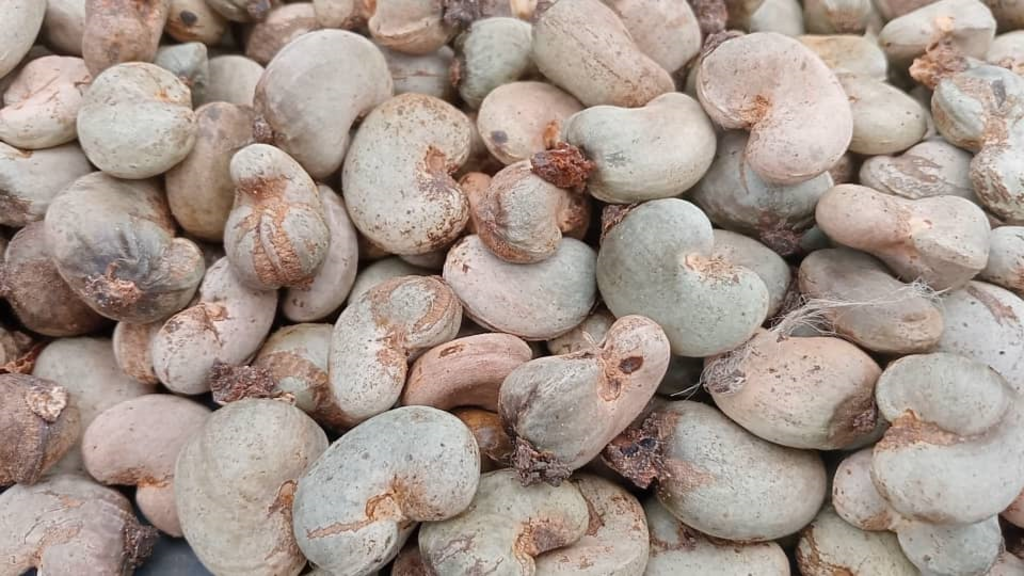
On the ground in Bouna, the reality is stark. Local farmer Kouamé Ouattara, who manages a three-hectare cashew orchard, described being effectively sidelined this season. “Three years ago, I could harvest up to 500 kg per hectare,” he explained. “This year, I barely managed to gather two sacks across the entire three hectares.”
Ouattara pointed to a dramatic shift in seasonal rainfall as the root cause. “Typically, heavy rains between November and December would encourage flowering in cashew trees,” he noted. “But this year, the rains stopped in October. No significant rainfall fell from October through February, leaving the trees unable to flower properly. Once flowering fails in a season, recovery isn’t possible until the following year.”
The consequences extend beyond cashew production. Local beekeepers, who often place hives within cashew orchards, are also feeling the impact. Koffi Ouattara, president of the Koflangué Beekeepers Association, reported a severe drop in honey production. “Last season, we harvested 100 litres of honey,” he said. “This year, we’ve only managed 30 litres. It’s a significant loss for us.”
farming practices need urgent improvement
While climate factors play a major role, experts highlight suboptimal farming practices as another critical issue. Dr. Sibirina Soro, a researcher at the University of Daloa and national coordinator of the cashew research project, emphasized the need for better orchard management. “Many orchards resemble dense forests due to improper planting density,” he explained. “The recommended density is 100 trees per hectare, but many farmers started with far higher densities, crowding out proper growth.”
Dr. Soro also underscored the vulnerability of Ivorian cashew farmers to pests and diseases. Unlike some other producing countries, Ivorian farmers avoid chemical pesticides, leaving them more exposed to losses when conditions are unfavorable. To mitigate this risk, he advocates for improved farmer training and support, particularly in pest control and orchard rehabilitation.
As the cashew marketing campaign continues, stakeholders across Côte d’Ivoire are calling for coordinated action to address both environmental and agricultural challenges. The future of the sector, they argue, depends on adapting to changing climate conditions while adopting sustainable farming methods that can safeguard livelihoods.