Côte d’Ivoire, home to the world’s largest cocoa production and processing, has launched construction of a state-of-the-art coffee and cocoa research institute in Divo (central-western region). The facility aims to transform the country into a global center of excellence for agricultural innovation and sustainability in the sector.
The ambitious project, situated on 800 hectares at the existing National Centre for Agronomic Research (CNRA) site near Divo—about 200 km northwest of Abidjan—will house advanced laboratories dedicated to research, training, and technological advancement. With completion expected in the coming years, the institute represents a pivotal shift in Ivorian agriculture policy and international competitiveness.
Who’s driving the project and why it matters
Spearheaded by the Coffee and Cocoa Council (CCC), the regulatory body overseeing the sector, the initiative marks a strategic move: the Ivorian government granted the CCC exclusive research rights for coffee and cocoa in 2023, reorienting the CNRA toward other agricultural crops. This decision underscores Abidjan’s commitment to cementing its role as a global leader in cocoa processing while reviving a once-thriving coffee industry.
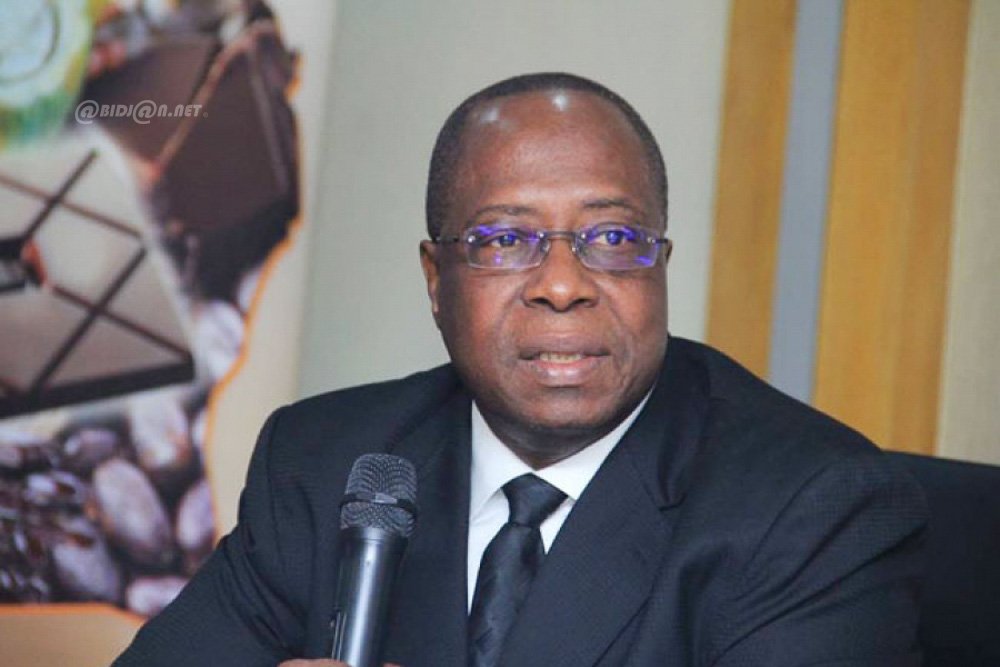
According to CCC Director General Yves Brahima Koné, the institute’s design and research agenda draw inspiration from leading coffee and cocoa research centers in Brazil, Ghana, and Nigeria. The goal is clear: position Côte d’Ivoire at the forefront of global agronomic innovation, enabling it to address mounting challenges and seize market opportunities.
Meet the minds behind the science
The scientific leadership of the new institute falls to Dr. Mathias Tahi, director of research and climate change mitigation at the CCC. Renowned for developing the high-yield “Mercedes cocoa” variety over two decades ago—now cultivated and exported to countries like Brazil, Ecuador, and Cameroon—Tahi brings deep expertise to the project. His team, composed of leading Ivorian agronomists, will focus on urgent priorities: combating the swollen shoot virus and brown rot disease, which threaten Ivorian cocoa orchards and coffee plantations alike.
With the swollen shoot virus alone causing losses estimated in the millions annually and brown rot decimating yields, the stakes couldn’t be higher. “We cannot afford to lose our competitive edge,” Tahi emphasized. “This institute will be a game-changer in developing resistant varieties and sustainable farming practices.”
What’s next? Public reaction and the path forward
The announcement has ignited a public debate about the future of Côte d’Ivoire’s agricultural sector. Farmers, industry experts, and policymakers are questioning the feasibility of the project, its impact on local producers, and whether it will truly drive economic transformation or simply deepen inequalities. Critics argue that while innovation is essential, immediate support for smallholder farmers remains overlooked.
Proponents, however, celebrate it as a bold step toward modernization. “This institute is not just about research,” said one agronomist involved in the project. “It’s about securing our future in a global market where demand for quality and sustainability is rapidly increasing.”
The debate reflects broader tensions in Ivorian agriculture: balancing rapid technological advancement with equitable growth, and short-term productivity with long-term environmental resilience. As construction progresses, all eyes are on Abidjan to see whether this initiative can deliver on its promises—or become another unfulfilled vision in Africa’s quest for agricultural transformation.